Direct engagement between government officials and private sector representatives without any intermediaries could be an ideal solution to the slow pace of industrial projects.
That was the message from Bosch’s African region president Dr Markus Thill during a panel discussion on the north-south rail corridor at the Infrastructure Africa Conference in Sandton last week. According to Thill direct communication between the highest officials involved in public-private sector projects has already borne fruit in countries like Rwanda.
“In certain countries we are beginning to see direct interaction between the ministries and private sector, where weekly coordination calls are taking place.” The best possible situation, he added, would be having a hotline to a sitting president’s office, “but to my mind there is no country in Africa where the private sector is directly talking to the president.”
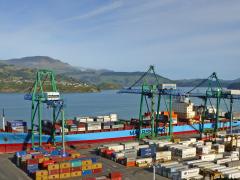
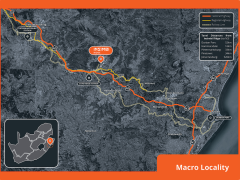
It’s the kind of intensified involvement that the Nepad Business Foundation had in mind in its facilitation work around the corridor linking Kolwezi in the Democratic Republic of Congo with the Port of Durban.
“Effective coordination across five countries with different cultures, languages and regulatory frameworks in mind, and starting off at government level and working all the way through to private sector stakeholder entities, is the biggest challenge to ensure that everyone sings from the same hymn sheet,” said Kudzanayi Bangure, the foundation’s infrastructure programme manager. “One of the key things we focused on from the start was to create the necessary connectivity that would allow value chains to be developed across the SADC region.”
This kind of connection between top role-players, Thill commented, entailed government having the necessary humility and wherewithal to listen to private sector representatives. “We have seen for ourselves how governments often spend billions on infrastructure assuming that once something is built the private sector will come, only to realise that a more pointed study into what kind of infrastructure was required – rail, road, water, or energy – would have saved a lot of time and money.”
Bangure said it amounted to “robust technical analysis that underpins all the key recommendations required to ensure effective infrastructural project rollout”. It seems the old approach of “build it and they (the private sector) will come” has become outdated.
“Government must learn to listen to what exactly it is that the private sector wants to see,” Thill said.
The best possible situation would be having a hotline to a sitting president’s office. – Dr Markus Thill