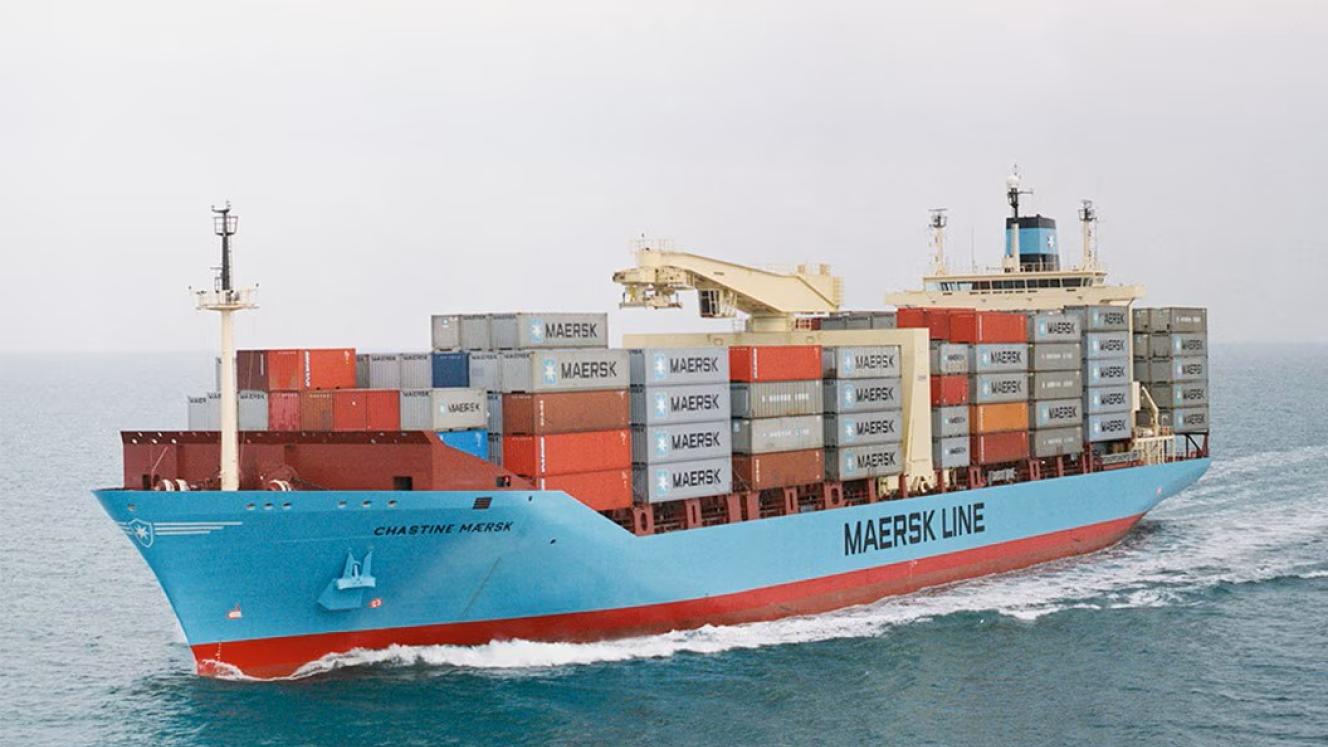
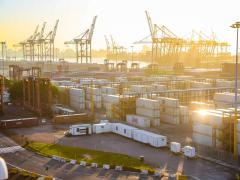
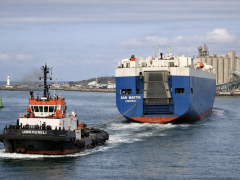
The untold devastation wreaked upon the Western Cape last week – worst in 30 years – was not so much a question of if, but rather when it would recur, symptomatic of extremely worrying global weather patterns. As gale force winds and driving rain battered the province, evoking painful memories of the 1971 Laingsburg flood which killed 104 people, those in the know say patterns are much alike. The desperately destructive wind and accompanying rain steam-rollered much in its path, ripping off roofs, flooding homes, and overflowing rivers with the loss of at least one life. It swept away at least seven bridges, demolishing vital vineyards and agricultural land, crushing vehicles, blowing countless pedestrians off their feet and overturning trucks as effortlessly as a dinky toy. De Villiers Graaff, chairperson of the Hex River Valley Table Grape Association – a key export player – says he has never witnessed “such a disaster”, more than 150mm of rain falling within 24 hours. At the port of Cape Town, disruption was equally evident – what Transnet Port Terminals’ Michael Powles, responsible for the day-to-day comings and goings of container vessels, labelled “a train smash”. Wind started picking up pace last Tuesday, gaining ferocity, which led to operational stoppages of almost 19 hours between November 11and 12 – a total loss of around 27 hours in view of a resurgence in wind velocity thereafter. Speed was above 110km/h at times, rendering crane operations impossible. The Santa Anna was delayed for 106.25 hours, having arrived three days earlier but waiting for a berth occupied by a larger vessel, Safmarine Texas, for around 52 hours. Safmarine Makutu was delayed for some 37.75 hours and MOL Caledon 28.50 hours. Cape Town Container Terminal was anticipating a busy week as the weather began subsiding at week’s end, 18 vessels due to load and discharge a total of 11 143 boxes up to November 20. The terminal’s daily handling target is 1 392.8 containers. Captain Ravi Naicker, harbour master for the port of Cape Town, tells FTW the storm affected only a few vessels. The backlog is therefore slight, without any damage or injury. Even though ocean swells reached no more than two metres, wind gusted to around 65 knots (about 130km/h) at times. “There were vessels we could not service, like light (empty) tankers, and we prioritised the comings and goings of others.”
Gale force winds close CT port
Comments | 0
© Now Media. This content is protected by copyright and may not be adapted or republished. If you would like to discuss cooperation opportunities, please contact: editor@freightnews.co.za.