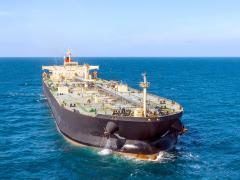
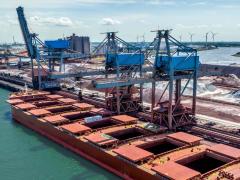
The ongoing conflict in the Middle East continues to disrupt global shipping, with the International Maritime Organization (IMO) condemning attacks on commercial vessels transiting the Strait of Hormuz and warning that innocent seafarers are being placed in direct danger. The heightened security risks, coupled with continued instability in and around the Red Sea, are forcing many project cargo operators to rely on longer but safer shipping routes to protect both cargo and crews. Many vessels continue to bypass the Suez Canal in favour of the route around the Cape of Good Hope, avoiding areas where attacks on commercial shipping have occurred. While the diversion reduces security risks, it also adds significant transit time to already complex project cargo movements, affecting delivery schedules and increasing operational costs. Project cargo experts Freight News spoke to said the longer voyages had reinforced the need for meticulous planning and closer collaboration between shippers, carriers and project logistics specialists. Operators are increasingly building greater flexibility into project schedules to accommodate delays, secure suitable vessel capacity and ensure critical cargo reaches project sites on time. Despite the ongoing geopolitical uncertainty, demand for project cargo remains robust. Industry players say effective risk management and route planning have become essential to maintaining reliable supply chains in an increasingly unpredictable operating environment. According to Lloyd’s List Intelligence, more ships transited Hormuz in the last two weeks of June than in the previous month and a half. Traffic peaked on June 24 with 57 transits, which was roughly half the daily pre-war average. LV
Flexibility key as shipping uncertainty prevails
Comments | 0
© Now Media. This content is protected by copyright and may not be adapted or republished. If you would like to discuss cooperation opportunities, please contact: editor@freightnews.co.za.