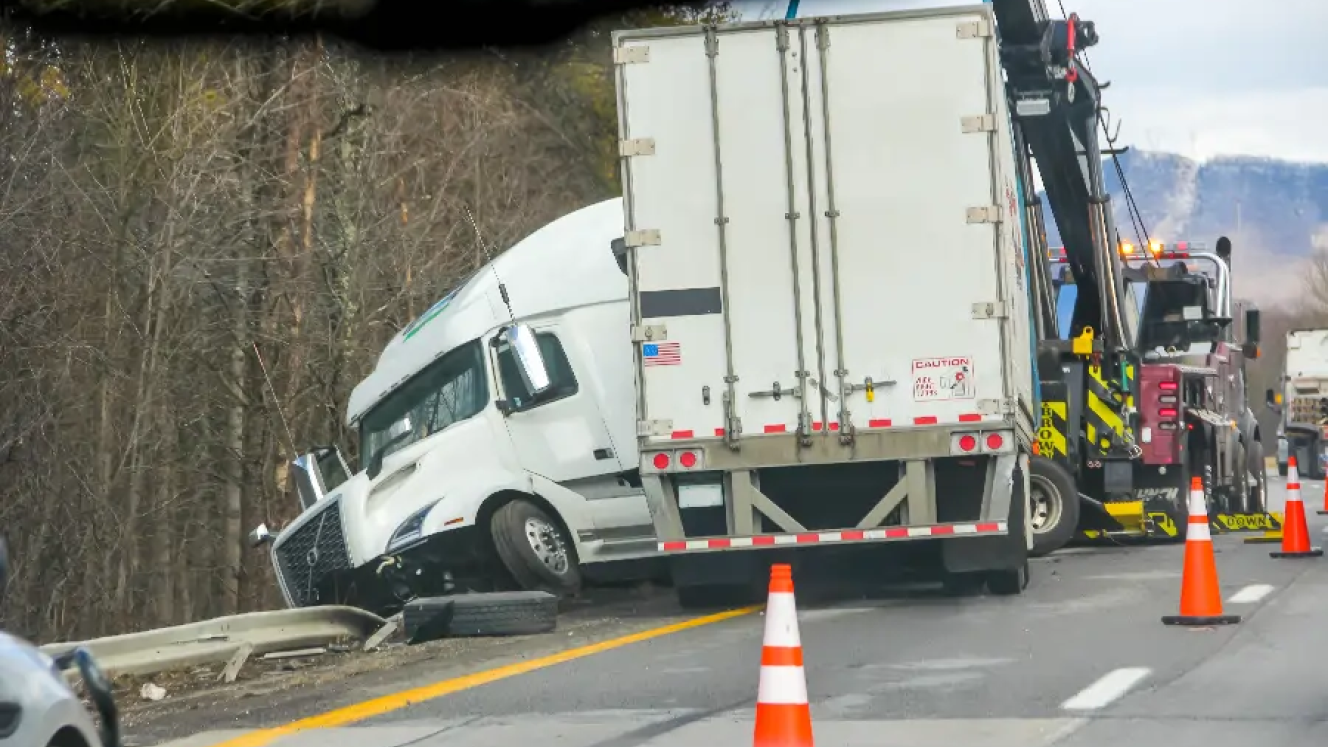
The Road Transport Management System (RTMS) and Performance Based Standards (PBS) programmes are gaining traction as industry and transport stakeholders look to reduce costs and improve heavy vehicle safety.
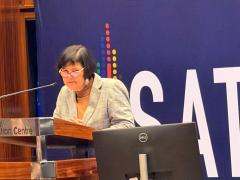
“Road safety is a huge challenge in South Africa. We know the high rate of fatalities. We also have huge challenges regarding logistics costs. If we want to be competitive, we need to maintain our road network to enable efficient transport,” Paul Nordengen, chair of the RTMS and Smart Truck National Steering Committees, said at an event of the Transport Forum hosted by Standard Bank in Durban.
RTMS was initially introduced to reduce heavy vehicle overloading and improve compliance within commercial fleets. The programme has since expanded. As of January this year, 410 depots or fleets were RTMS certified, covering around 22 000 vehicles and 31 000 trailers.
Using the City of Cape Town fleet as an example, he said only about 50% of its 900 vehicles were being serviced on time when it started its RTMS journey.
“They set out to change this to a target of 94%, which they achieved over a number of years. One of the benefits they have seen over and above this, is a 24% reduction in fuel consumption. I would say that's partly due to better servicing of vehicles, but also managing speeding and managing harsh braking through better driver training.”
He said PBS vehicles were also increasingly being adopted, with around 90 PBS operators currently running an estimated 2 500 PBS vehicles.
The PBS system was implemented in 2004, with South Africa being the fourth country in the world at the time to introduce it. While it has been operating for more than 20 years, it remains a pilot project.
The programme focuses on vehicle performance and stability rather than traditional prescriptive dimensions and axle configurations. Vehicles are assessed through computer modelling and simulation to ensure improved safety and manoeuvrability.
Nordengen said data from a PBS pilot project showed a 31% reduction in trips and total kilometres travelled compared with conventional vehicles, while average fuel savings were measured at 24%. Crash rates had also declined significantly.
“The benefits are reduced fuel consumption, reduced emissions and fewer trucks on the road,” he said.
South Africa has hosted three PBS courses over the past ten years, with a fourth scheduled for October this year.