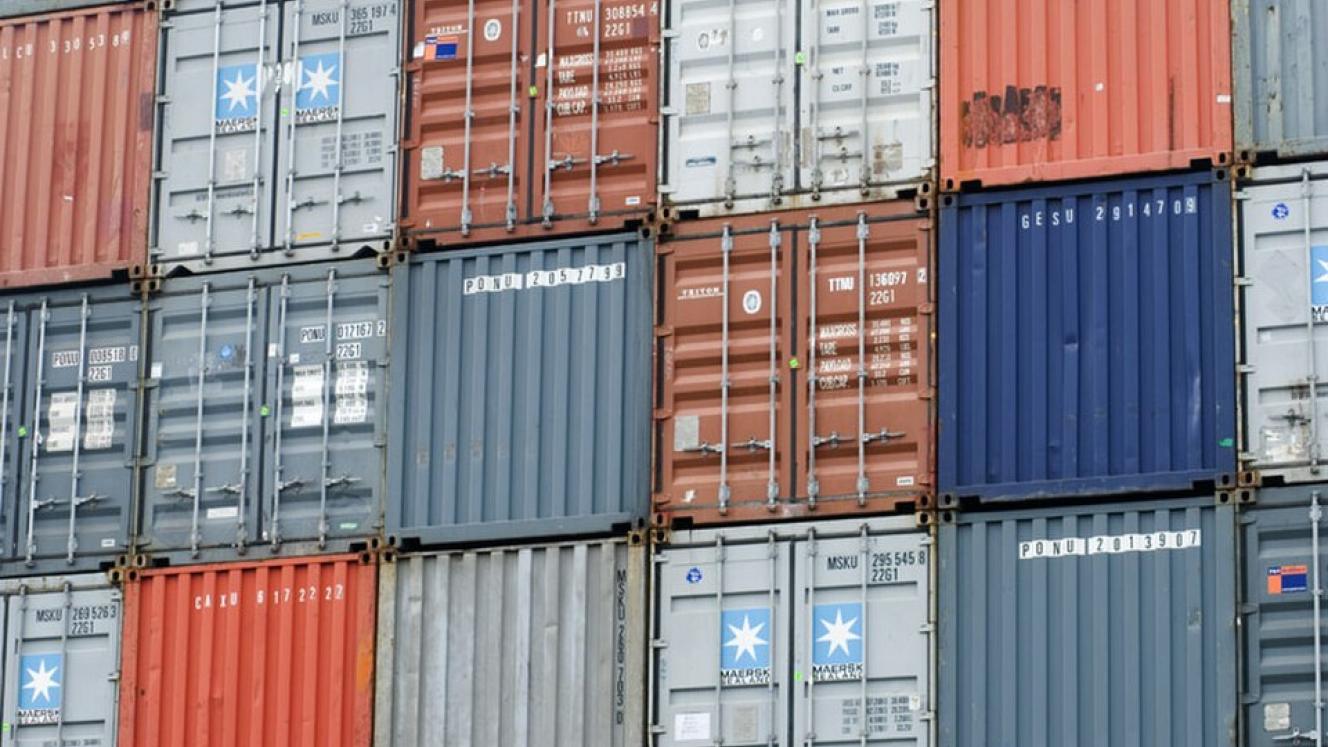
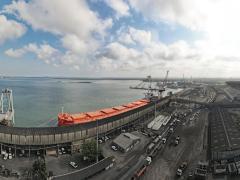
Farmers are the biggest losers when it comes to inefficiencies in the perishable transport chain, says Syd Munsamy of Durban-based Sydtrans. “We load direct from the farm – the smallest farmer can keep 20 to 30 pallets. We have a fleet of trucks and we keep the fruit at temp and take it straight to port for export. That’s the best way. But the problem is the farmer is getting the bad end of the stick all the time. Direct is cheaper – no cartons go missing, no cartons get damaged, there are no cold storage fees – but farmers need to be educated about this. Right now too many people are getting paid along the way,” said Munsamy. Most farmers still have their wares waylaid at cold storage facilities, where the fate of their shipments is in the hands of port operations. “The citrus industry has grown sizeably over the past three to four years, and our port in Durban doesn’t have enough equipment to load containers. I believe they are working on putting in 7000 (reefer) plugs, but it should have been done five years ago. They should have planned ahead knowing year-on-year volume. So, the farmers’ pallets are held in cold store, and the farmer has to pay extra. There is congestion at the port. Four or five years ago we loaded more volume. There’s a snowball effect when the stacks are not opened on time – clearing and forwarding agents, transporters, and finally the shippers, the farmers, end up with the bill,” Munsamy said. Although Maputo has been mooted as a means to relieve Durban congestion, particularly for citrus, Munsamy has been an observer long enough to report, “If you look at it realistically, there is not adequate equipment for breakbulk, and not very much reefer capacity. Seven or eight years ago they said Maputo would overtake Durban. We’re still waiting. The (Mozambique) government wants private investors to put in money, but what guarantees are there that they’ll get a return on their investment?”
Farm-to-port service cuts cost and inefficiency Grapefruit are proving to be South Africa’s
Comments | 0
© Now Media. This content is protected by copyright and may not be adapted or republished. If you would like to discuss cooperation opportunities, please contact: editor@freightnews.co.za.