'One of
the most important components of logistical management is to process and
communicate
information'
INFORMATION TECHNOLOGY and e-business have indisputably changed the face of logistics
management, according to Kobus Maree, m.d. of
SLA (Strategic Logistical Alliance).
We have two parallel aims, he told FTW. Working towards being a total logistics integrator; and satisfying customer needs in terms of logistical activities.
Third party forwarding, clearing and distribution - where the client handles product development, manufacturing, sales and marketing, but assigns the responsibility of product distribution to the logistics company - could not have happened without the power of IT.
As Maree sees it, one of the most important components of logistical management is to process and communicate information.
Products do not move until information moves, he said, and the only common denominator across all the functions is stock.
Stock moves horizontally. It forces information to move horizontally in the opposite direction.
However, Maree added, it may also cut across organisational boundaries - to embrace vertical relationships between supplier and market.
This activity, he said, integrates components of various organisations. An amalgamation which is now possible via electronic mail, and with access to the data of all the participating parties.
To accomplish integration in the order cycle, Maree paints another metaphorical picture. One of tightly linked pipelines of information flows being developed - parallel to the pipelines of goods flow.
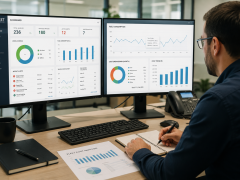
Thus, he said, the pipeline for managing the flow of materials is supported by an information system - the extranet.
The system supports some of SLA's major functions and includes: Shipment and inventory status tracking; movement of ancillary information in document or electronic form - detailing all the processes associated with the movement of materials through the order cycle.