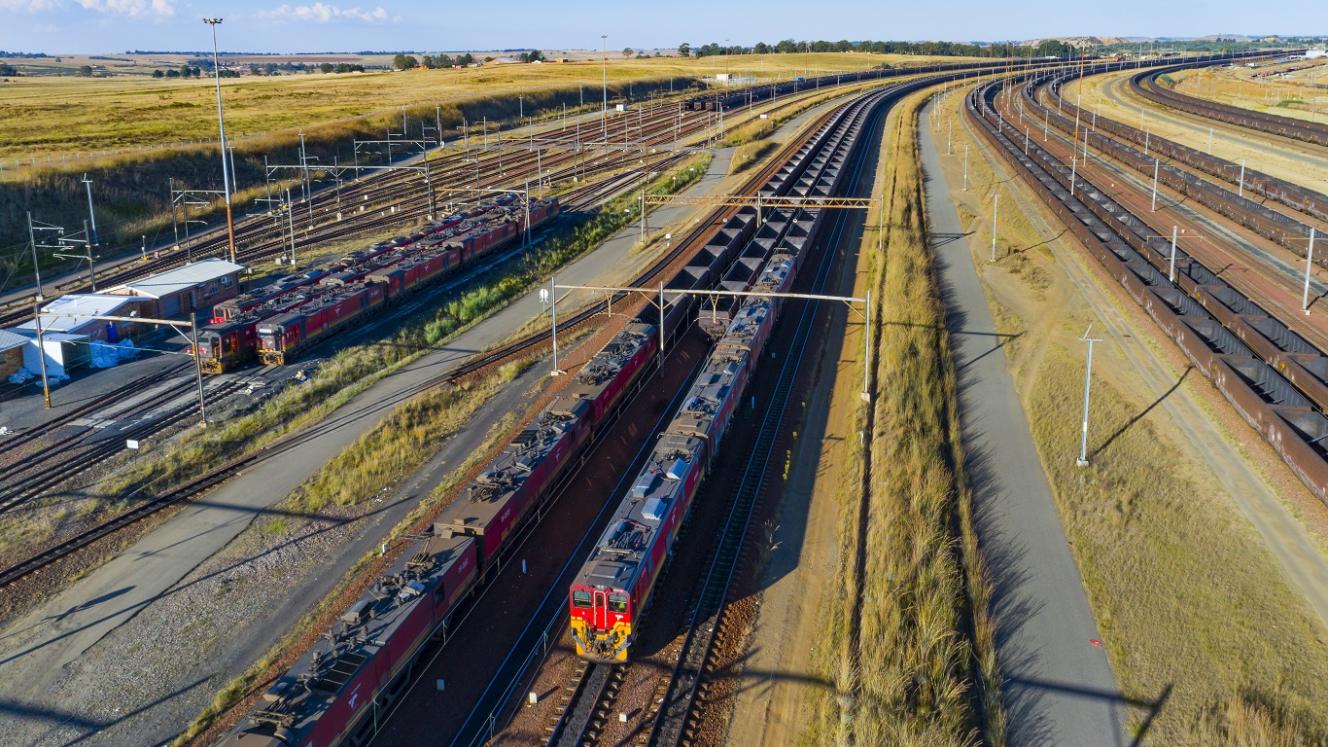
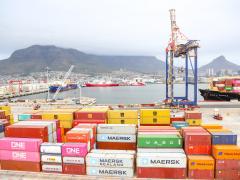
AROUND 50% of Safmarine’s customers are based in Gauteng, and their rising volumes are playing a big role in the line’s capacity sailings. FTW spoke to Antwerp-based marketing executive Victor Shieh for his perspective on the issues and opportunities for shippers in the region. Have you seen an increase in business over the past year, and have any particular market sectors grown? Despite the strengthening of the rand, volumes have grown to a point where our vessels have been virtually operating at full capacity. This brings with it the need for us to work very closely with our customers to ensure accurate forecasting of volumes. The growth mainly stems from our existing customers growing their volumes with Safmarine. Import growth has been notable in the automotive sector while export growth has been generated from a number of customers across the board. What are the major issues facing shippers in Gauteng. What are your comments on the problems of undercapacity by Spoornet and its impact on timeous and cost-effective movement of containers to and from the ports? The major issue is the choice between taking the existing rail service or opting for road transport. A number of our customers have opted for the latter, which has also led to increased congestion for this mode of transport, particularly at the port of Durban. Investment approval for rail infrastructure upgrades will hopefully improve the current situation. Please elaborate on recent changes in acceptance policy for redirections. The problems that motivated the change and whether shippers are complying. The issue centres on the risk and liability to the lines when customers change from carrier to merchant haulage. The problem arises when delivery of cargo is terminated at the port. In a case where in the first instance a full through bill of lading has been issued, the line still has full responsibility for risk and liability when the merchant haulier then takes delivery of the cargo at the port and takes it to an inland point. Additionally customs requires new documentation to be issued due to the change. This option is still being offered to customers with a R300 fee per container and a bill of lading fee amendment of R75, plus request for a termination letter from the cargo owner. There is also a need for increased focus on security in the case of redirections. This has taken place in many places around the world, notably in Asia, North America and Europe Customers have been working with this policy and Safmarine has been in full consultation with its customers, SAAFF and other interested parties to explain the change. How much of your business is carrier haulage - is there more of a swing in that direction and how do you sell the benefits of this option? There is a fairly equal share between the two modes. Safmarine is now being approached more frequently for carrier haulage via rail and road by customers. We are looking at differentiating long distance road transport options for our customers. Any e-business progress? Safmarine customers in the Gauteng region are becoming increasingly knowledgeable and adept at saving time and resources by using our e-business channels. Well over half of our customers are booking, issuing shipping instructions and handling bills of lading using our website, and a number of our larger customers are working towards achieving full EDI interaction with us. Safmarine’s Gauteng customers celebrated the line’s fleet expansion with their coastal counterparts in Durban and Cape Town… Toasting the launch of three new “Wafmax” ships for the West Africa trades and the arrival of the two new Big Whites, the Safmarine Nomazwe and Safmarine Nokwanda, at Sibaya Entertainment Kingdom in KwaZulu Natal are Andries and Suzette Smith (Sasol Wax), Gillian Margro (Safmarine) and Jackie McGee (MMC).
Exports grow despite stronger rand
Comments | 0
© Now Media. This content is protected by copyright and may not be adapted or republished. If you would like to discuss cooperation opportunities, please contact: editor@freightnews.co.za.