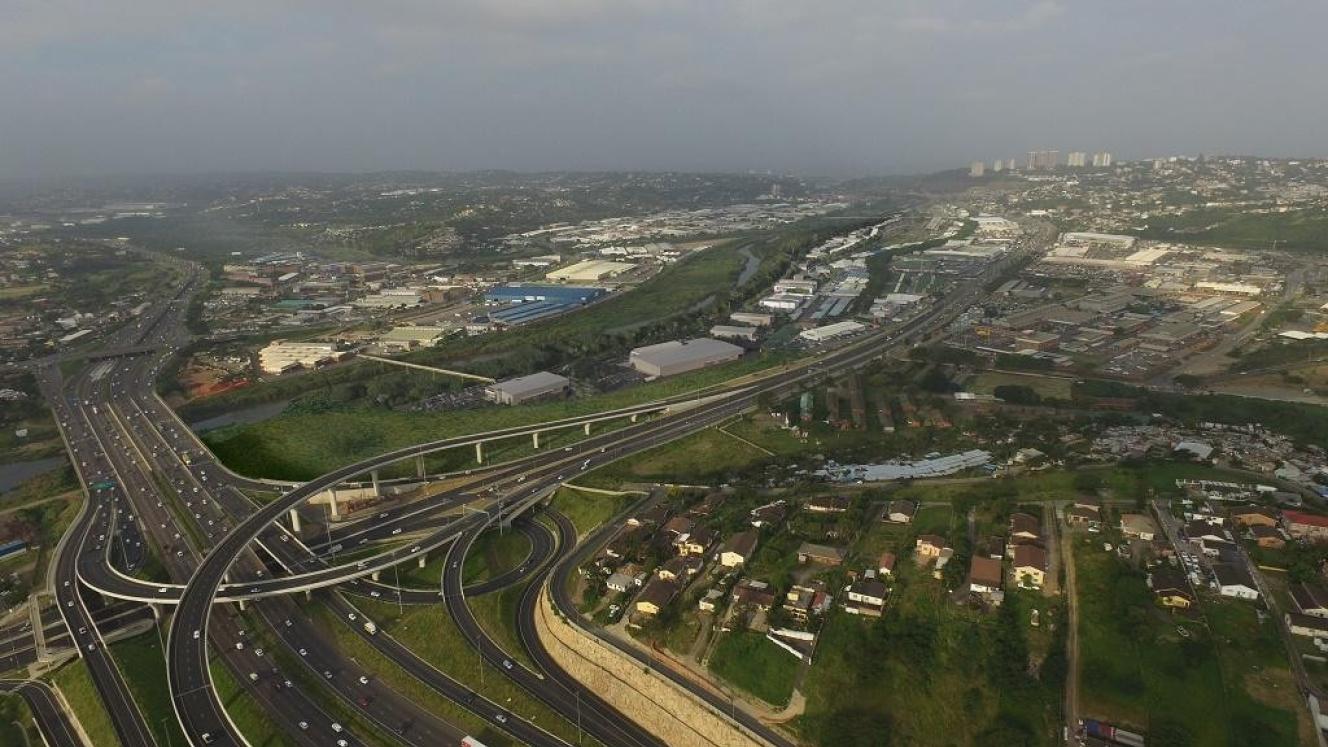
National Treasury has confirmed that it expects to start implementing carbon tax by the middle of next year. “We hope to have the draft legislation out for comment within the next two months,” said Cecil Morden, director: economic tax analysis: National Treasury, speaking at the Special Interest Group Transport Forum held in Johannesburg last week. He told FTW that the introduction of a carbon tax was important for three reasons: raising revenue to pay for crucial infrastructure upgrades; reducing road transport congestion and reducing toxic carbon emissions. Morden said that transport was responsible for 23% of world CO2 emissions from fossil fuel combustion. “Road transport accounts for by far the largest part of CO2 emissions from the transport sector and this will remain the case in the coming decades despite more rapid growth in shipping and aviation.” According to him, rapid improvement in the fuel economy of light-duty vehicles and freight trucks by about 30% would reduce emissions and could even stabilise emissions from such vehicles over the next two decades. But what will it cost? National Treasury is currently considering a carbon tax at R120 per ton of CO2 above the suggested thresholds. This will be increased by 10% annually until the 2019/2020 financial year. Furthermore, there will be tax thresholds for “trade exposed sectors’”. And what about freight industry buy-in? “The introduction of a carbon price will change the relative prices of goods and services, making emissionintensive goods more expensive relative to those that are less emissions intensive. This provides a powerful incentive for businesses to adjust their behaviour, resulting in a reduction of emissions,” commented Morden. He added that the proposed design of the carbon tax tried to address concerns about the impact of higher energy prices on low income households and on the international competiveness of South African businesses, especially in the mining and manufacturing sectors. According to Morden, South Africa can manage the transition to a low-carbon economy without harming jobs or competitiveness. Economist Mike Shussler disagreed with Morden on this, citing Road Freight Association calculations that the proposed carbon tax (on the previously projected R75 per tonne) was likely to be in the region of 1.4% of South Africa’s gross domestic product (GDP). He added that there were other costs that were not being taken into account, including a carbon tax on fuels and cost increases over time from refineries using electricity from coal. “The carbon tax at the aforementioned rates will have a definite impact on economic growth.” INSERT & CAPTION Transport is responsible for 23% of world CO2 emissions from fossil fuel combustion. – Cecil Morden
Expect to pay carbon tax by mid-2016
Comments | 0
© Now Media. This content is protected by copyright and may not be adapted or republished. If you would like to discuss cooperation opportunities, please contact: editor@freightnews.co.za.