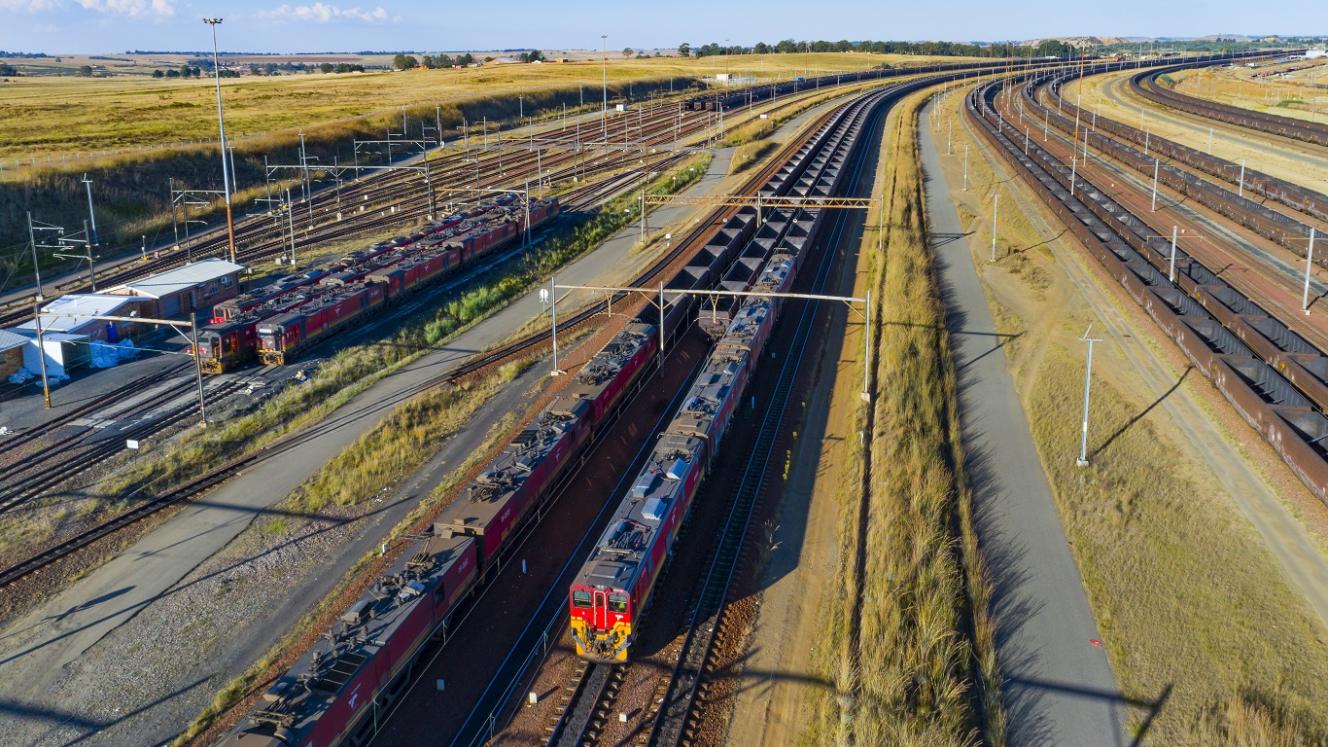
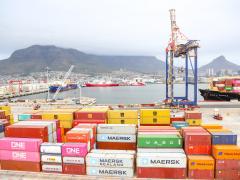
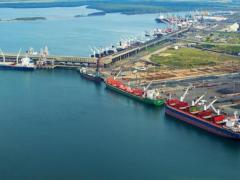
A report that predicted that container capacity would exceed demand by as much as 10% for the next three years, and suggests that the gap won’t substantially improve for five years, was described to FTW as “sheer blooming scary” by a Johannesburg-based shipping line executive. “The shipping future looks bleak,” he added, “and many casualties are likely to happen. Five years of downturn is a long time.” And, to make matters worse, the forecast estimates also assumed no slump in world economic output – a bit of wishful thinking when you look at the US and European debt crises. You can add Asia to this, as it faces “severe macroeconomic and financial spill-overs” from deteriorating economic outlooks in the other two continents, the International Monetary Fund (IMF) said just two weeks ago. The man who told the bleak story was Neil Dekker, head of container research at shipping consultants, Drewry. His quarterly Container Forecaster data showed that capacity in the container market would rise 29% in the three years ending in 2013. Demand will grow by only 19% in the period. Dekker also said there would not be a “major” improvement in the balance between supply and demand for five years. “Freight rates are very low,” he added. “It would be logical to lay up vessels, but that’s not really happening.” Adding more grief to the global overcapacity scene is a continuing urge amongst the major container lines to build newer and bigger ships. The latest edition of Bloomberg Businessweek has quoted an estimate from the Paris-based industry consultants, Alphaliner, as saying that container lines have booked orders for new ships for a combined US$57-billion. Over the next four years, the Alphaliner report added, new ships will add capacity equivalent to 4.5 million standard 20-foot containers to today’s 15.2m TEUs. Meantime the Denmarkbased shipping trade group, Baltic and International Maritime Council (Bimco) said in a report that vessels that can haul the equivalent of about one million TEUs will need to be idled or laid up. It also pointed to the fact that ships were being built larger, with the size of container ships having more than doubled over the past decade. Illustrating this, Alphaliner said that new deliveries this year on average carry 6 100 TEUs, compared with 2 900 TEUs in the year 2000. Drewry issued similar bigger ship data. It said that the size of the world’s fleet of ships with capacity larger than 8 000 TEUs would increase by more than 20% annually over the next years, outpacing overall supply growth. This overcapacity, slimming demand, and rates being cut to ribbons, would inevitably lead to the lines with less financial muscle in reserve coming to grief. “On its current course the industry will struggle to turn profitable,” Ross Porter, Norway-based fund manager at Skagen, told Bloomberg. Overcapacity may thin out the industry, with only the biggest companies surviving the pressure on freight rates, he added. And this oversupply cascades down to the lesser trades around the world. It has already been evident on the SA trade, with the largest container ship to call at Durban having now reached a 9 600-TEU capacity – almost double the size of the 4 500 - to 5 000-TEU vessels that rated headline news only a couple of years ago. And the result of this, if these extra-biggies continue to trade to SA, will inevitably be even greater oversupply than there is at the present (particularly on the Far East-SA trade) – and a resultant cutting of freight rates, and serious pressure on lines which serve SA.
‘Expect casualties as shipping oversupply looms’
Comments | 0
© Now Media. This content is protected by copyright and may not be adapted or republished. If you would like to discuss cooperation opportunities, please contact: editor@freightnews.co.za.