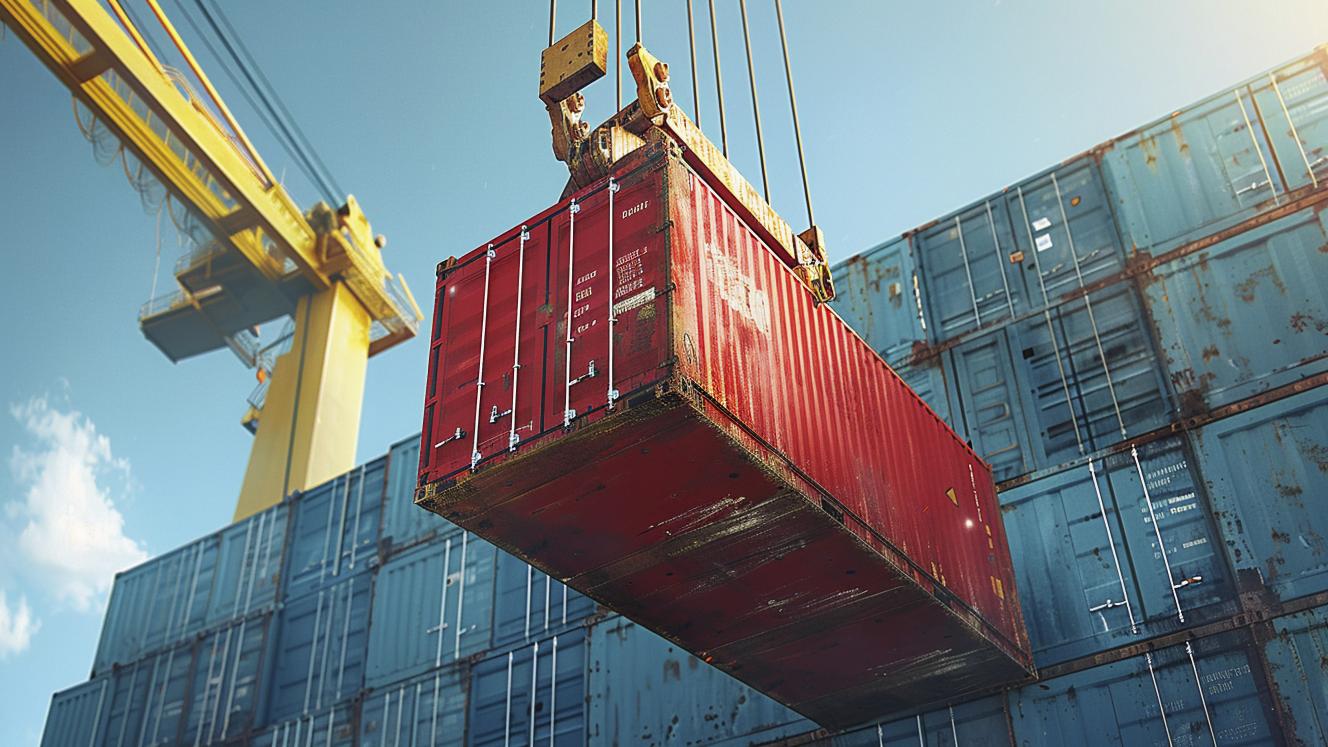
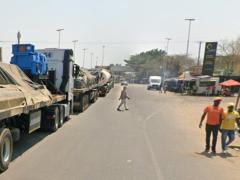
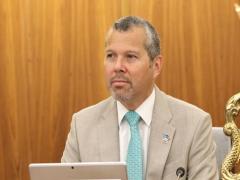
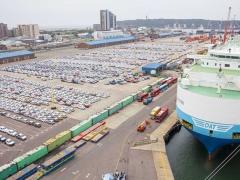
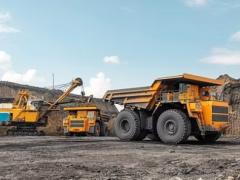
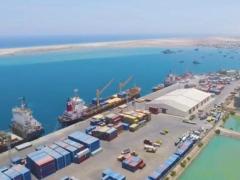
The high cost of logistics in South Africa is a particular burden for Gauteng shippers who have been forced to come up with innovative solutions to counter the effects of the recessive global climate. For major exporter AEL, becoming an international company has been key, says export operations manager Bentley Cook. In addition to the export of locally produced ammonium nitrate, the company is now sourcing product from around the world and supplying the likes of Indonesia and Egypt. “We’ve had no option but to source internationally because of local logistics which has made us uncompetitive in certain markets,” he told FTW. AEL’s principal exports include commercial explosives for mining, detonators and detonating systems – a field in which the company is a world leader – as well as ammonium nitrate, a raw material for mining. With major competition from Australia, Spain, China and the USA, AEL moves substantial volumes of Class I and ammonium nitrate products. But the potential for ammonium nitrate is far greater, says Cook, if only inland logistics costs were more competitive. “We transport most of the local product by road to Zambia, Zimbabwe and the Congo with other principal markets being Tanzania in East Africa, Ethiopia via Djibouti and the West African destinations of Nigeria Ghana and Equatorial Guinea. And while inland logistics is one of the main challenges, Cook believes container rates could also improve. “The premium on one container of hazardous cargo ranges from five to 10 times the rate of general cargo – and still lines are reluctant to carry it.” And their reluctance stems from a lack of knowledge, says Cook. “The safety standards applied by this company are impeccable and in line with international standards. There has never been a commercial explosives-related shipping incident – there have been explosions at plants but never at sea.” Rates however are not the only challenge. Along with his colleagues in the industry Cook believes the skills shortage at every level will be a major obstacle in the years ahead. He would like to see greater emphasis on staff education within the industry – particularly with regard to hazardous cargo. “There’s a need for all role players in the country to form a single “TEAM South Africa” for the good of the whole country.” Few would disagree that that’s the way to go.
Excessive logistics costs restrict export potential
Comments | 0