Eswatini’s exports are bulky – raw sugar, coal and citrus in order of value – and a decade-old plan to develop a Science and Technology Park at the Matsapha Industrial Estate to boost manufactured exports has not borne fruit.
Meanwhile, removal of the country also known as Swaziland from the US trade scheme, the African Growth and Opportunity Act (Agoa), reduced shipments of manufactured goods due to the affected fortunes of the country’s foremost industry, garments and textiles.
The US decision to readmit Eswatini into Agoa a few months ago has not seen a reopening of shuttered plants. The value of Eswatini’s exports in 2017 was US$1.631 billion. That leaves the traditional products to comprise the bulk of exports, as they always have (with the exception of timber, which has ceased to be a major export).
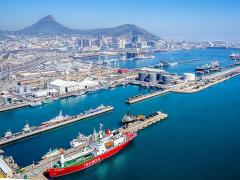
Of these, sugar, Eswatini’s top export in terms of value behind Coca-Cola’s soft drink concentrates, moves by truck, with some by rail. While the port of Durban is one destination for shipments overseas, most of the product is sent elsewhere for use in South Africa, which absorbs 87% of Eswatini’s exports, and Namibia, which buys 4% of all Swazi exports.
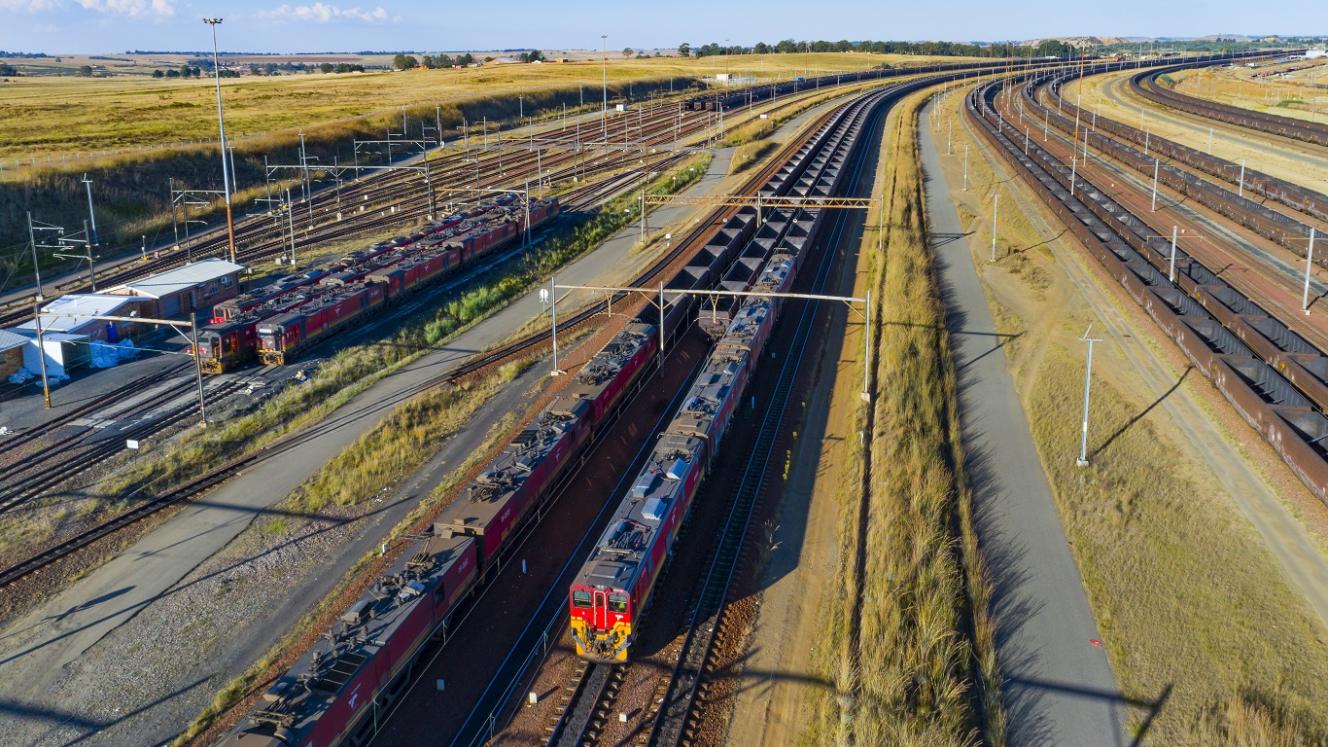
Swazi Railway achieves more than 70% of its revenue from transit traffic, most being bulk items sent through the country from various SADC points of origin and en route to Durban or Maputo. What domestic rail hauling has done is devoted mostly to the movement of coal, which is shipped to South African customers.
The behind-schedule Lothair Line, a Transnet Freight Rail and Swazi Rail joint project that will provide the first direct link through Swaziland from Gauteng to Maputo, was conceived primarily as a means to move coal.