Logistics companies participating in an FTW project cargo trends survey are optimistic about growth in the sector over the short to medium term.
While opinions were evenly split over whether 2018 was proving better (40% said yes) or much the same (40%) as the same period in 2017, 80% believe that demand will grow in the next 12 months.
With responses coming from South Africa and neighbouring countries this is a vote of confidence that the economies of South Africa’s neighbours are starting to recover from the commodity downturn. Comexas South Africa sales manager Sarah Walker says the company is optimistic “due to the increase in the oil price. We have already seen demand increase in the past months across Africa to oil-producing countries.
“Hopefully this will lead to an increase in availability of forex in oil-producing countries such as Angola and Nigeria.”
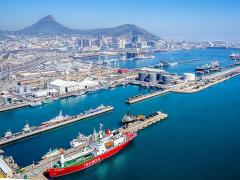
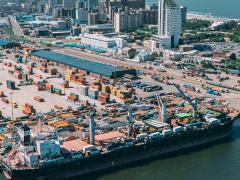
Other companies pointed to the resurgence of the mining sector in Zambia, Zimbabwe and the Democratic Republic of Congo (DRC). Energy-related projects rank alongside mining as having the highest potential over the short to medium term, followed by manufacturing, infrastructure, agriculture and drought relief. Durban ranks as the most favoured port of entry among respondents (67%), followed by Beira (22%) and then Cape Town.
The other harbours in the region were not ranked by the respondents as preferred ports. A number of respondents mentioned congestion in Durban, wind delays in Cape Town and lack of connectivity and higher fees in Beira as deterrents for using the ports. While not selected as preferred ports of entry Maputo, Richards Bay and Walvis Bay received favourable reviews. “Richards Bay now has dedicated infrastructure thanks to large investments in road and weighbridges for specialised cargo transport solutions, and there are now low bridges that constrain movement by road,” said one respondent who requested to remain anonymous.
“The strength of Walvis Bay is that Namibia is a very easy country to do business with. Some shipping lines are including this port as a direct sailing, making freight pricing and transit time attractive.
“The developing Trans Kalahari Corridor, as well as the pricing, make Walvis Bay an attractive alternative to Durban. “Another advantage is that there is less foreign currency risk due to the linking of the Namibian dollar to the rand,” says Walker.
Cross-border red tape was identified by respondents as the biggest obstacle to project cargo growth in the region, closely followed by poor roads and corruption tied in second place. Keagan Moodley, managing director of Limat Group, believes rail has a role to play in clearing the roads of container and other goods traffic, which would make the roads less congested and speed up the transit of out-of-gauge project cargo. Borders are no obstacle to logistics companies providing project cargo services.
The countries in which the respondents to the FTW survey on project cargo are active include the whole of the South African Development Community (SADC) region, Indonesia, Ghana, West Africa, Ivory Coast and Europe.
The biggest markets at present are South Africa and Zambia (about equal), followed by Mozambique, the Democratic Republic of Congo, Zimbabwe and Tanzania.
INSERT
80%
The number of respondents who believe demand will grow in the next 12 months.