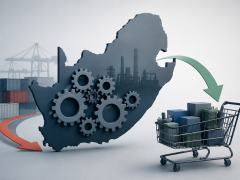
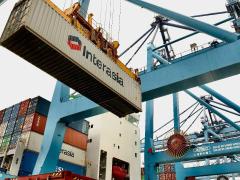
As consumer demands for a greater variety of fresher, higher-quality foods increases, so does the need for a more cost-effective logistics operation. “Price pressures are increasingly eroding profit and saving costs with an efficient logistics operation is fast becoming a necessity,” says Anthea van Breemen of Macro 2000. “But the food business, due to the perishable nature of the products, places specific constraints on the logistic processes and makes it even more challenging than other sectors.” One way of improving logistics operations is through a consistent approach to planning. This can result in considerable cost savings. “A reliable, f lexible software system can help with this planning,” says Van Breemen. “Everyone – from the owner of the goods through to the warehouse and logistics specialists – can benefit from such a system. Transparent, accurate information presented in industry-specific formats to all parties on a regular basis allows for proper planning.” Studies show that out of every £400 billion of food produced annually at least £100 billion of it is lost due to waste or spoilage. “Consistent planning is really the most efficient way of improving one’s logistics efficiency – ultimately reducing damage to perishable goods,” says Van Breemen. “That in turn results in fewer customer complaints and lower costs due to a reduction in replacing damaged items.” She says Macro 2000, with more than 30 years’ experience in assisting companies in the perishable logistics industry, is able to provide the necessary software systems needed to improve operational efficiency. INSERT & CAPTION One way of improving logistics operations is through a consistent approach to planning. This can result in considerable cost savings. – Anthea van Breemen
Effective software feeds perishable industry demands
Comments | 0
© Now Media. This content is protected by copyright and may not be adapted or republished. If you would like to discuss cooperation opportunities, please contact: editor@freightnews.co.za.