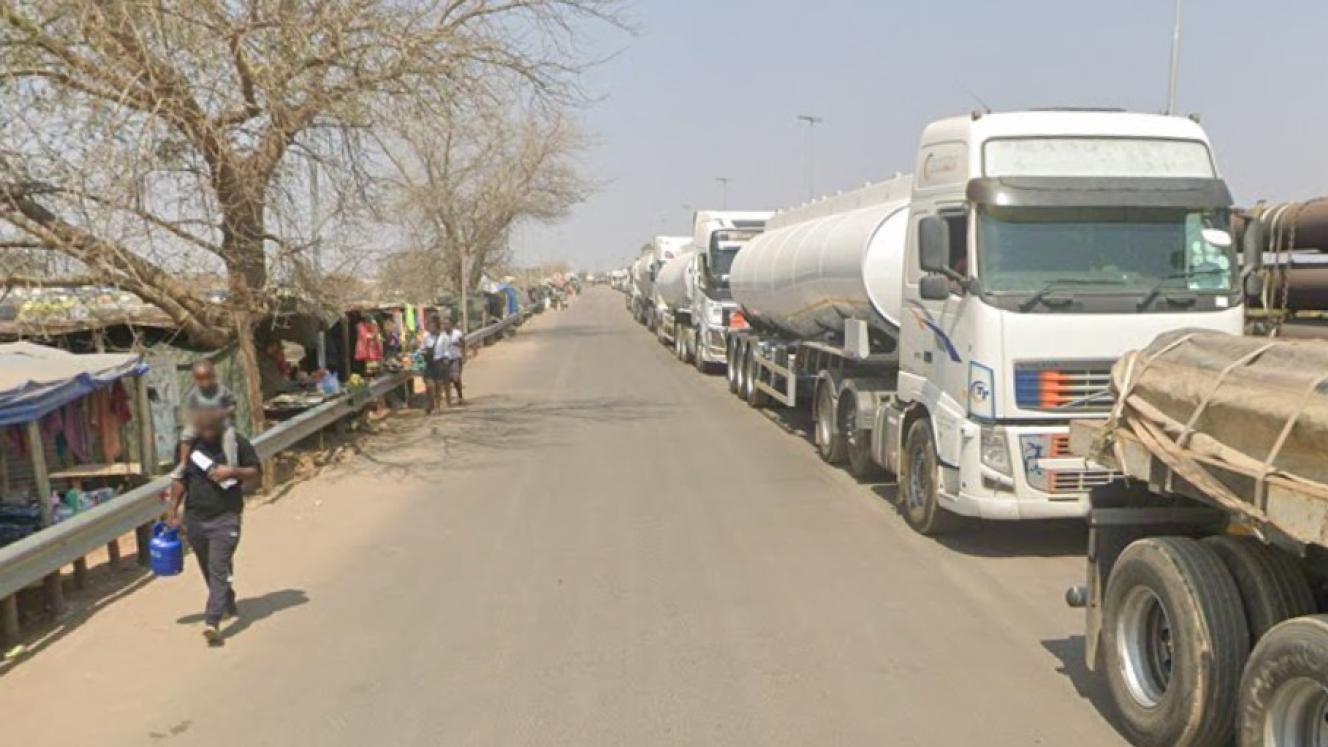
A commodities-led revival of the Zimbabwean economy is reliant on the efficiency and capacity of the regional ports. Deposits of over 60 exploitable minerals have been identified in Zimbabwe, with abundant resources in gold, platinum and coal. They include critical minerals for electric batteries such as lithium, nickel and graphite. Tax and investment incentives for mining investors include full deductions for exploration costs, loss carry-forwards, lower corporate taxes on certain leases, and foreign currency retention benefits for exporters. Mining accounts for around 12% of the gross domestic product and over 80% of export revenue, which is in scarce hard currency. Expansion is limited by pit- to-port logistics challenges and renewed policy uncertainty. In early December 2025, mining minister Winston Chitando was sacked after just over a year in the post. Although no reasons were given, there is speculation that it was due to divisions over the government’s plans to increase gold mining royalties. Finance Minister Mthuli Ncube proposed in his November budget speech that the gold royalty rate be doubled to 10% for gold sold above $2 501 an ounce. The plans were watered down by parliament in mid-December when it was decided to retain the 5% royalty while gold was priced at between $1 200 and $5 000 an ounce. The 10% royalty will come into play if gold sells for more than $5 000 an ounce. As a landlocked (or land- linked) country, Zimbabwe is reliant on the southern African port network, as well as the transport routes between the mines and the harbours. “Zimbabwe’s infrastructure is outdated and inadequate, particularly in the transport sector. Poor roads, limited rail capacity and insufficient air transport infrastructure make it difficult for mineral exporters to transport their goods to export markets, resulting in higher transportation costs and delays,” says the FAMS logistics group in its analysis of the challenges facing the Zimbabwean mining industry. There is also strong regional competition for the limited port capacity as Zimbabwe’s neighbours also ramp up production. Red tape is another challenge. Miners are required to export all minerals through the state-owned Minerals Marketing Corporation of Zimbabwe (MMCZ), except gold which must be sold to the Reserve Bank of Zimbabwe’s (RBZ) subsidiary Fidelity Printers and Refiners (FPR). Individual companies may receive permission, however, from the Government of Zimbabwe to sell minerals directly to avoid US-targeted sanctions on the MMCZ, according to the United States Department of Commerce. ER
Economic growth reliant on neighbouring ports
Comments | 0
© Now Media. This content is protected by copyright and may not be adapted or republished. If you would like to discuss cooperation opportunities, please contact: editor@freightnews.co.za.