In the Eastern Cape the journey seems to be more important than the destination.
There are always plans for development and attracting investment – the province has two Special Economic Zones (SEZs) to prove it – but still it competes against Limpopo for the bottom of the pile in terms of gross regional domestic product per capita instead of against Gauteng at the top.
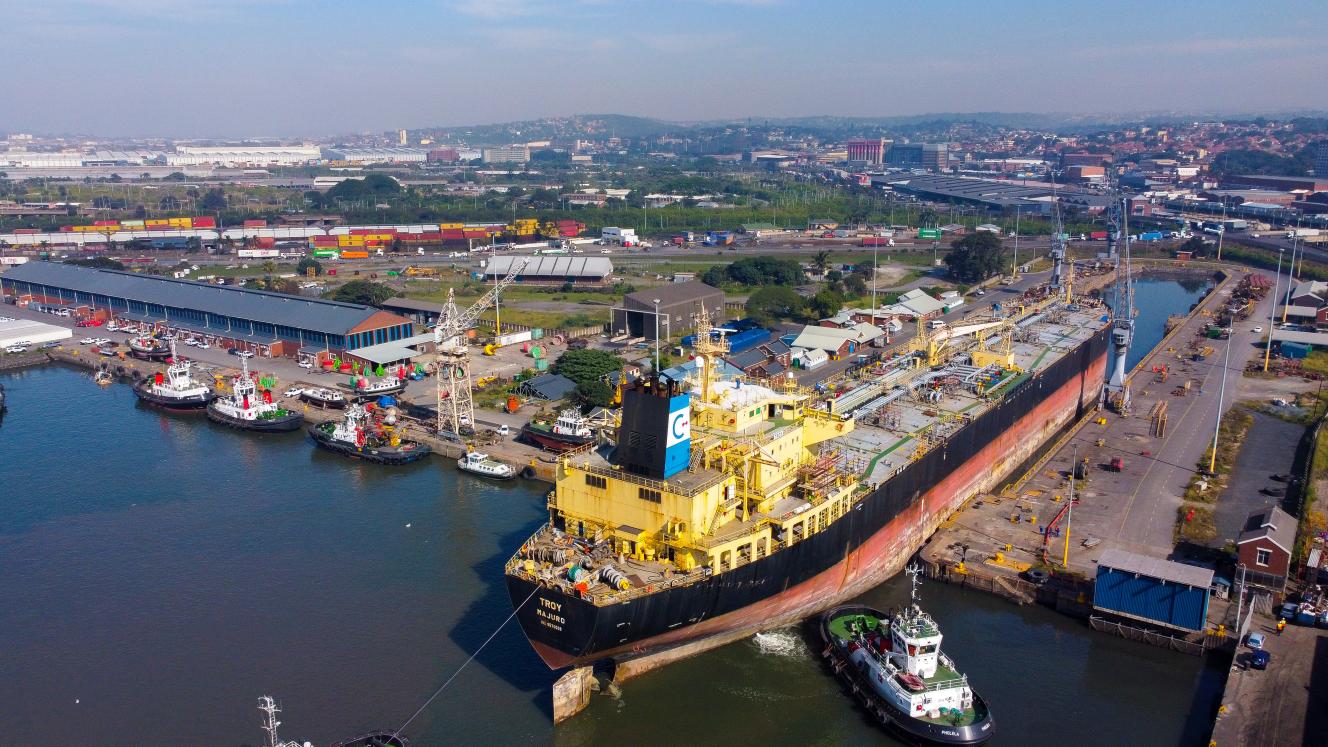
Central government has been investing taxpayers' money into infrastructure in the form of the East London and Coega SEZs, the deep-water port of Ngqura and roads. A third SEZ is being planned for the Mthatha area, with a tender having been issued for the development of a Masterplan for what will be known as the Wild Coast SEZ.
Anyone travelling through the province will leave with a clear impression that the province is very much a work in progress. The South African National Roads Agency (Sanral) is investing heavily in upgrading the roads, which form the logistics lifeline for the province as there is no interconnecting rail system.
Talks of short-sea shipping remain – as with many Eastern Cape plans – just that. Talk. When travelling north-south through the province truck drivers and motorists will be faced with up to seven stop-gos, with construction on both the R72 and N2. The investment in the road system (without a single toll road as yet) is one of the signals that there is a chance that the province will realise its economic potential again.
Another is that the politicians have taken their blinkers off. In the foreword to the latest (2017) Eastern Cape Socio-Economic Review and Outlook (SERO), former MEC of Economic Development, Environmental Affairs and Tourism, Sakhumzi Somyo, wrote: “Persistent unemployment coupled with changing population dynamics remain key challenges in the Eastern Cape.
“Other domestic constraints impacting on the economic outlook relate to political uncertainties, energy, infrastructure, and skills shortages; while outcomes related to education, health and broader social ills continue to impact on and are affected by the levels of economic development.”
The Eastern Cape Vision 2030 Provincial Development Plan states: “to realise its economic potential the province needs much stronger economic development support systems that improve the effectiveness of interventions (including economic policies, plans, projects, instruments and resourcing)”.
The two statements are political speak for “the voters can no longer be depended on to place their crosses in our boxes, no matter how poorly we deliver”.
CAPTION
Mercedes Benz has just invested R10 billion in its East London manufacturing plant.