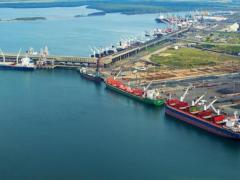
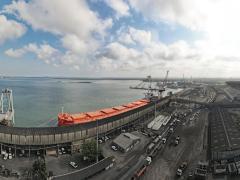
The Eastern Cape economy is a bit like one of those arcade machines where there is a moving plate piled with coins. Some are teetering at the edge, and one adds more coins in the hope that they will reach their tipping point and the reward will be a bag of coins. In the Eastern Cape, the plate is filled with “possibilities,” as various economic, trade and tourism bodies are wont to say. These “possibilities” include agriculture, agroindustry, shipping (with three ports), logistics (the province is an historic gateway into Africa), manufacturing (the African motor industry started in Port Elizabeth), two Industrial Development Zones, transhipment (being at the centre of the south-south and north-south shipping routes) … the list goes on. Tipping points in the past included the feather boom, the wool boom, the mohair boom and the 1980 spike in the country’s vehicle market. But these booms came and went and the Eastern Cape has been largely forgotten by both central government and corporate business. The reasons are complex, and probably worthy of several doctoral theses at some time in the future. For now we have to rely on stand-up comedians who can always use the Eastern Cape for a cheap laugh. That will change. As readers of the feature will see, there are a number of factors driving economic growth in the province, not the least of which is logistics. The tipping point may well be the deep-water port of Ngqura, which has started “non commercial” operations, with the first vessel in the port unloading transformers for Eskom’s Dedisa sub-station in the neighbouring Coega IDZ. Then there’s the upgrading of the roads, the revitalisation of the road links and a fresh focus on agriculture. The Eastern Cape is truly teetering on the edge of growth.
Eastern Cape reaching tipping point
Comments | 0
© Now Media. This content is protected by copyright and may not be adapted or republished. If you would like to discuss cooperation opportunities, please contact: editor@freightnews.co.za.