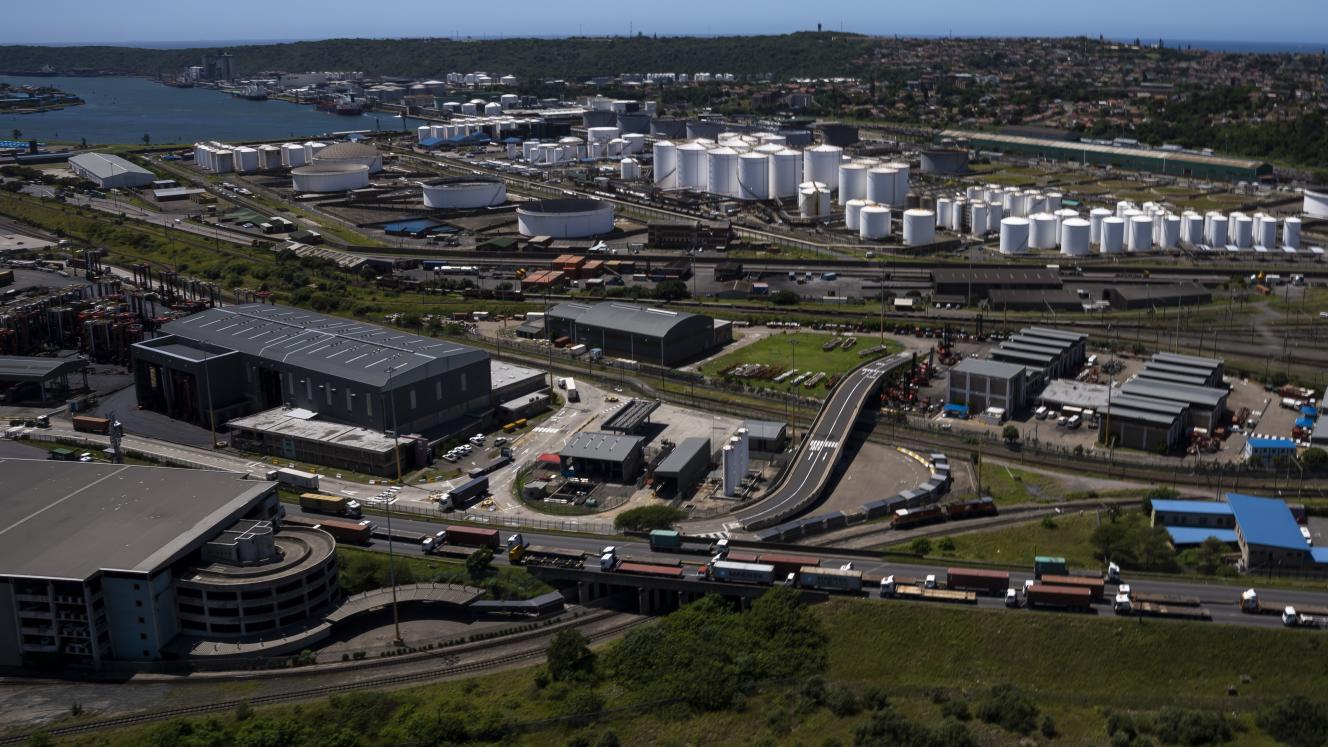
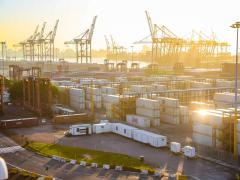
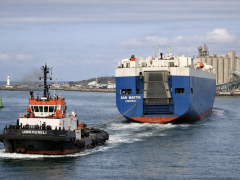
Both the Eastern Cape shipping and logistics sectors remain over-dependent on the automotive industry as the province struggles to transform opportunities into investment and jobs. With three ports and historical trade links with the hinterland, the Eastern Cape should be one of the main gateways for trade in southern Africa. “The Eastern Cape has 800km of coastline with three ports but is currently not optimising its locational advantage to exploit the economic advantage associated with the maritime sector,” the province’s MEC for economic development and environmental affairs Mcebisi Jonas told the first Ports and Maritime Cluster Conference. “The economic growth and development future of the Eastern Cape lies in how we can strategically use our port infrastructure to reposition the province within a new national growth path as well as within the global maritime industry,” he added. Ports do not operate in isolation, however, and transhipment volumes do not necessarily translate into local economic development. As Jonas put it: “Shipping and logistics go together like sailors and rum. Logistics and supply chain management are undoubtedly among the most critical dimensions of regional competitiveness. This includes shipping/cargo operations and forwarding and clearing agents.” While the ports of Ngqura and Port Elizabeth are among the most efficient in Africa, they are made uncompetitive by the landside costs of transport. PE is 1 600 km from Beitbridge, while Durban is 1 100. East London is mid-way between the two, at 1 498 km. However, massive investment in the port is required in order for it to accommodate large vessels. Looking at another trade route, PE is 1 267 km from Gaborone, and Durban 935 (EL is 1 164 and Maputo 904 km). Maputo to the east and Walvis Bay to the west are both emerging as strong competitors due to improved efficiencies within the harbours and the upgrading of road links. Infrastructure has to be supported by logistics links. There is little evidence, for example, that the port of Ngqura is stimulating economic development in the Nelson Mandela Bay Metro. Transnet’s positioning of the port is as a “continental transhipment port, which will provide critical trade and logistics connectivity with the East, the Americas, and the African continent,” according to Jonas. This should be attracting assemblers, manufacturers and logistics operators wanting to source from and supply to these market. The message is taking time to get through. Few of the current tenants in the Coega Industrial Development Zone are dependent on Ngqura – they could (and do) use Port Elizabeth (PE) 20 kilometres away as easily. This is, in part, due to a lack of co-ordination between the two stateowned bodies – the Coega Development Corporation and Transnet. They are not working together to package the Coega IDZ, with Transnet for example offering preferential rates to companies based in the IDZ. Transnet Freight Rail’s plans for the Eastern Cape are currently focused on moving 12 million tons of manganese ore a year from the Northern Cape through the port of Ngqura – without adding any value or jobs en route. Future plans include the development of the port of Port Elizabeth as a vehicle transit hub after the moving of the fuel and manganese terminals to Ngqura. As with the arrival of the port of Ngqura, this major opportunity may also be missed by the province. There is little talk (in public) about attracting investors and developing the logistics infrastructure needed to support such a hub. Instead, the consistent message one hears at public meetings from the local business chamber and municipality is “we want a waterfront”. INSERT While the ports of Ngqura and Port Elizabeth are among the most efficient in Africa, they are made uncompetitive by the landside costs of transport.
Eastern Cape - a natural gateway that needs work
Comments | 0
© Now Media. This content is protected by copyright and may not be adapted or republished. If you would like to discuss cooperation opportunities, please contact: editor@freightnews.co.za.