New driver induction requirements at the Port of Durban have drawn criticism from the road freight sector, with operators warning that manual document checks could slow truck movements and create bottlenecks at terminal gates.
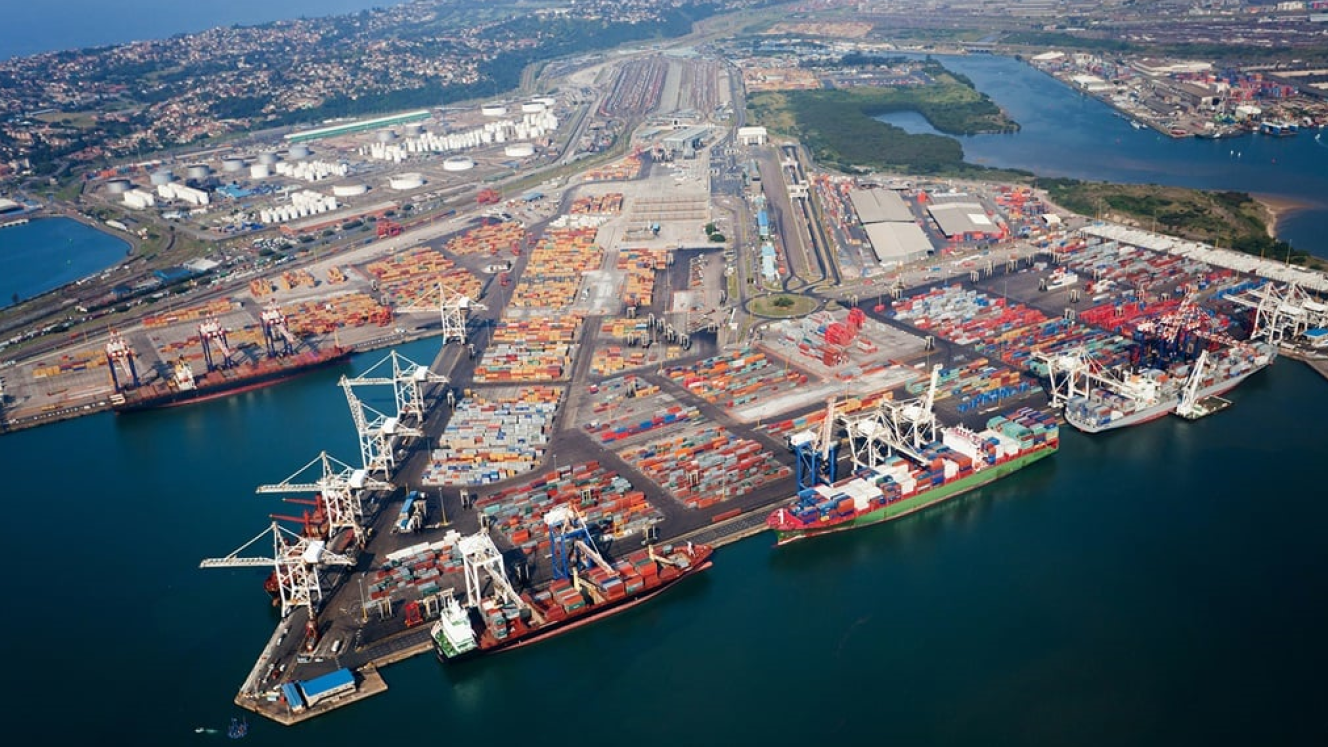
According to a Transnet Port Terminals (TPT) directive distributed to industry on June 2, the ports operator is introducing Phase 2 of its Driver Truck Management System. The strategy requires all truck drivers collecting and delivering containers at Durban Container Terminal Pier 1 and the Durban Multi-Purpose Terminal to undergo a mandatory driver induction process from the beginning of July.
Transport operators have been instructed to use June to prepare the required documentation for each driver before the induction phase begins.
For each driver collecting or delivering containers at the two terminals, operators must provide a valid medical certificate of fitness, driver's licence and identity document for South African nationals. For foreign nationals, companies must provide a valid passport, asylum permit or work permit. Employers must also submit a formal letter confirming each driver's employment before the induction, while drivers will be required to present the documents in person on their designated induction day.
Paper-driven bottlenecks
Road Freight Association chief executive Gavin Kelly said port security and access control were legitimate concerns that the association had long supported, noting that the initiative was not primarily a response to foreign nationals.
"It is fundamentally about combating criminal activity and establishing proper accountability for who enters and operates within our port terminals."
However, Kelly raised concerns about the lack of stakeholder engagement and warned against a paper-based approach to compliance.
"The RFA's position is that a robust, integrated electronic verification system is the right solution – not a paper-based or manual document check that creates bottlenecks at the gate."
He noted that regional border posts such as Beitbridge successfully used digital links with the South African Revenue Service and the Department of Home Affairs.
"We are opposed to poorly consulted, paper-driven processes that will add queuing time, increase costs, and create new compliance burdens without delivering meaningfully better security outcomes," Kelly said.
Legal and immigration alignment
The directive also comes amid broader national pressure around transport sector regulation and immigration compliance.
African Union of Transportation and Logistics Organisations (UAOTL) vice president Mike Fitzmaurice said everyone was trying to implement measures that complied with President Cyril Ramaphosa's position on undocumented foreign nationals.
However, he cautioned that implementation needed to remain within existing legal frameworks and judicial rulings.
Fitzmaurice said current Home Affairs directives, issued following a Gauteng High Court ruling, already allowed foreign truck drivers employed by South African companies to enter the country on a visitor's permit authorising them to work, subject to the conditions of the Immigration Act.
The directive also requires truck drivers to comply with normal admission requirements at ports of entry, while visitor's permits may be issued for periods of up to three months.
TPT's directive requires transport operators to ensure all required documentation has been obtained before the mandatory induction programme begins in July.
Transnet had not responded to questions at the time of publication.