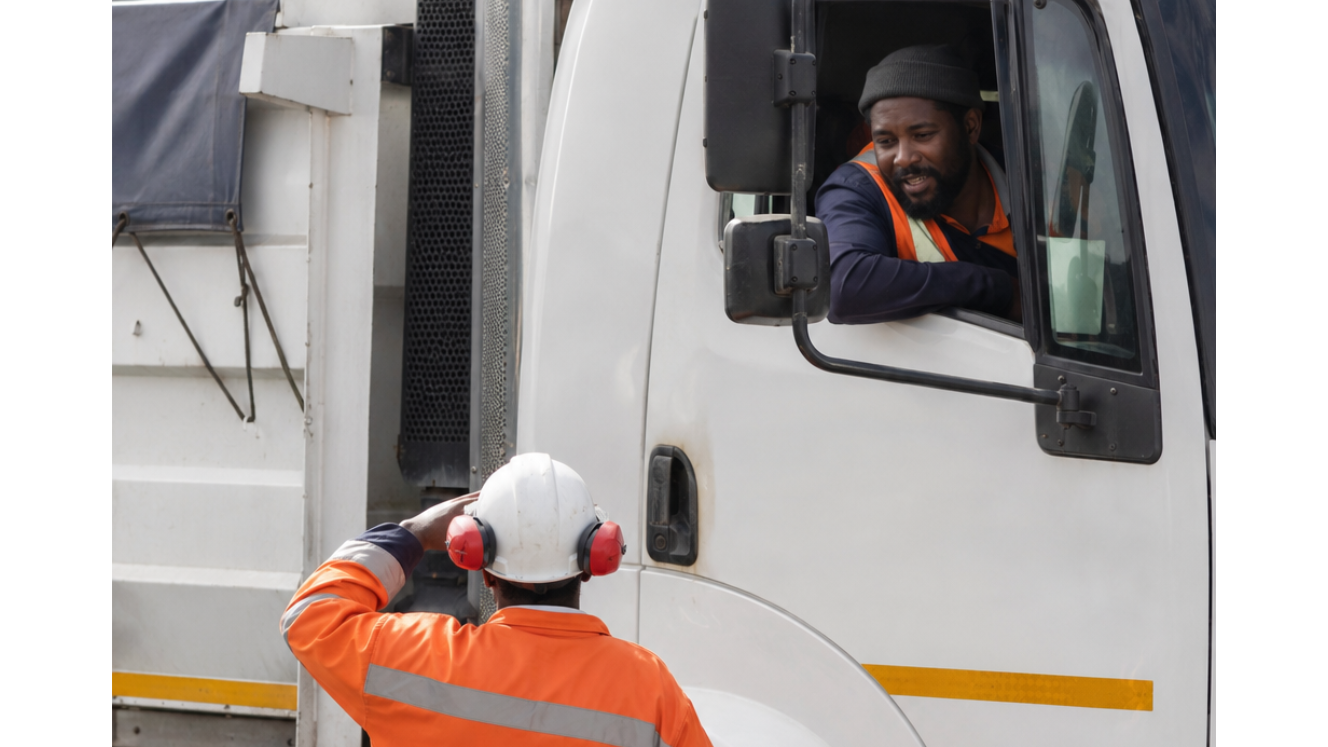
Fleet operators could cut fuel bills faster by focusing on driver behaviour rather than investing in dashboards and fuel-control systems that are not backed by operational discipline.
The point emerged during a panel discussion at an Association of Fleet Professionals (AFP) webinar on the future of South Africa’s fleet sector on May 28.
Rising fuel prices had added around R1.5 million to the budget of a company operating a fleet of about 20 vehicles, each covering 15 000 kilometres a month, Eugene Herbert, president of the AFP, said.
Technology alone did not necessarily result in savings, said Jacques Greeff, chief operations officer of the Optix Group. “At the moment, most fleet managers are investing in dashboards before they have discipline in the organisation.
“And then we wonder why we don’t have savings.”
Fleet operators often introduced technology in the wrong sequence. “Usually, we start looking at the strategic layer first. That is, fuel management information systems, fuel cards and tank monitoring. We then focus on the operational level, which includes route optimisation, telematics and idling control. Only then do we go to where I believe we should start, which is the driver behind the wheel.
“The cheapest litre of fuel is the one that your driver doesn’t burn,” he said.
Research has shown that consumption differs by up to 20% between the best and worst drivers in a fleet, he said. “That is a consistent global measurement. If you do not have a driver programme in place, with real-time in-cab coaching, focusing on post-trip reviews and video evidence, driver score cards and a good incentive programme, you are not going to be able to achieve that eight to 12% saving on your fuel bill.”
Fleet operators should be making more use of data generated by telematics to train and manage drivers.
Data is only valuable if it is used to elicit behavioural change, Greeff said. If a fleet manager does not address problems identified in an idling report with a driver within 48 hours, “it is simply a report and the savings don’t materialise”, he said.
“The best way to achieve savings is to include the driver behavioural programme with a very strong telematics platform or fleet management information system.
“Once the first two are fully integrated, you move into tier three, which is your large-scale fuel management information systems, fuel cards, tank monitoring and integrated reporting.”
The returns on the second two tiers take longer to realise, which are driver training and monitoring. “If you spend the Capex on the dashboard before you've done work with the driver, you've really bought a report without the results,” said Greeff.
© Now Media. This content, including images, is protected by copyright and may not be copied, reused, adapted or republished without permission. If you would like to discuss content-sharing or cooperation opportunities, please contact: editor@freightnews.co.za.