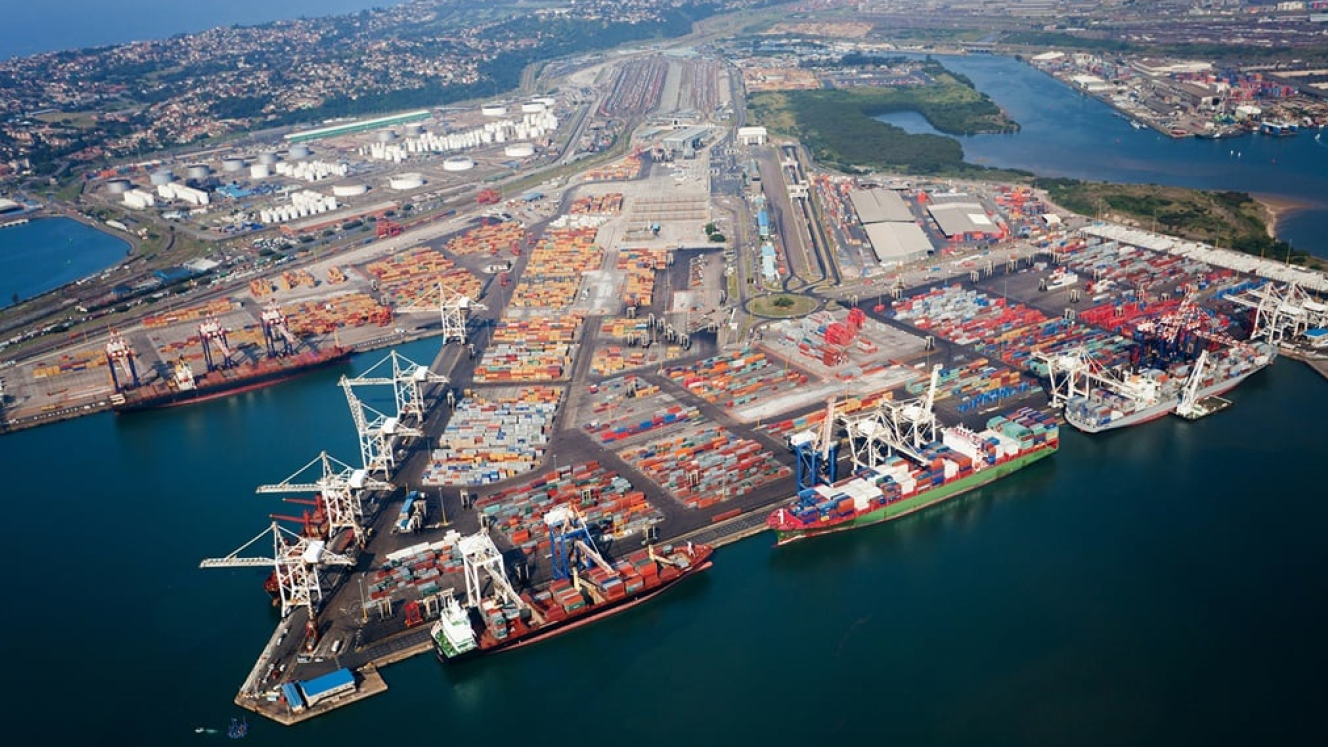
Driver induction requirements at Durban Container Terminal (DCT) Pier 1, due to be implemented from July 1, have drawn criticism from the Road Freight Association (RFA), which says the new Driver Truck Management System (DTMS) should rely on electronic rather than manual verification to avoid delays and bottlenecks at terminal gates.
While Transnet Port Terminals (TPT) has outlined the mandatory induction process, it is unclear how drivers will be verified once they have completed the induction. The RFA says it is concerned the system could create operational delays if it relies on paper-based document checks rather than electronic verification.
According to a TPT directive distributed to industry on June 2, the ports operator is introducing Phase 2 of the DTMS, requiring truck drivers collecting and delivering containers at DCT Pier 1 to undergo a mandatory driver induction process before entering the terminal.
In a response to Freight News, TPT said the DTMS had been introduced across its Durban terminals in May last year and was being rolled out per terminal and in phases. Phase 1 was implemented at the Durban Multi-Purpose Terminal (DMT) and incorporated gate verification, while Phase 2 would be rolled out at DCT Pier 1 during 2026.
TPT said transport operators had been requested to send their drivers for induction ahead of the rollout. The induction would familiarise drivers with safety protocols, security processes and terminal entry requirements to reduce the risk of safety incidents involving third parties.
The ports operator said the DTMS involved the registration of companies, drivers and trucks to maximise safety in the terminal environment and was an ongoing initiative that had started before government's recent clampdown on illegal immigration.
Transport operators were instructed to use June to prepare the required documentation before the induction programme begins. According to the TPT directive, operators must provide a valid medical certificate of fitness, driver's licence and identity document for South African nationals. For foreign nationals, companies must provide a valid passport, asylum permit or work permit. Employers must also submit a formal letter confirming each driver's employment, while drivers are required to present the documents in person on their designated induction day.
RFA chief executive Gavin Kelly said port security and access control were legitimate concerns that the association had long supported, noting that the initiative was not primarily a response to foreign nationals.
"It is fundamentally about combating criminal activity and establishing proper accountability for who enters and operates within our port terminals," he said.
However, Kelly said the RFA believed the system should rely on integrated electronic verification rather than paper-based document checks.
"The RFA's position is that a robust, integrated electronic verification system is the right solution – not a paper-based or manual document check that creates bottlenecks at the gate," he said.
Kelly pointed to systems used at border posts such as Beitbridge, where digital links with the South African Revenue Service and the Department of Home Affairs are used to verify information electronically.
"We are opposed to poorly consulted, paper-driven processes that will add queuing time, increase costs, and create new compliance burdens without delivering meaningfully better security outcomes," Kelly said.