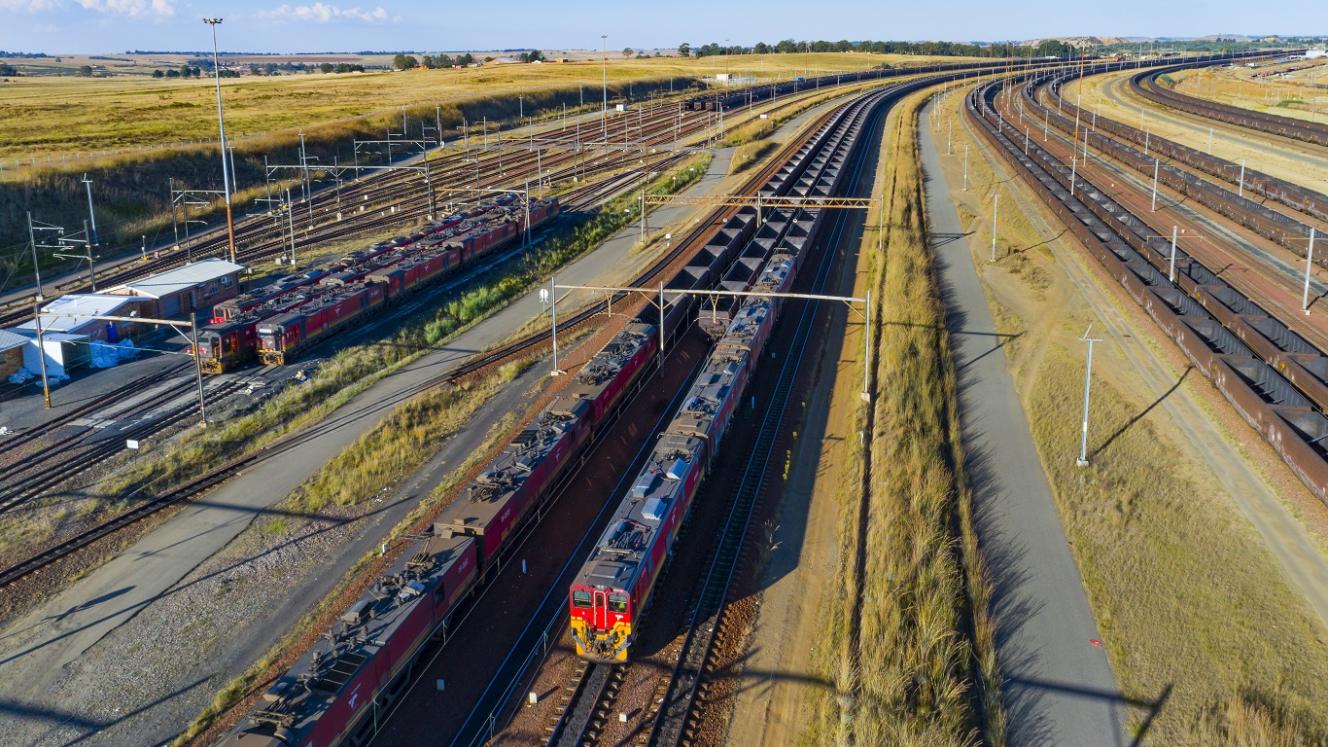
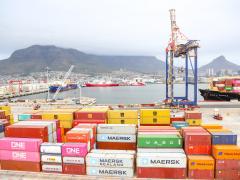
TRANSNET FREIGHT Rail is serious about playing its role in reducing the cost of logistics in South Africa. That much was clear from CEO Siyabonga Gama at last week’s SA Shippers’ Council Conference. “The past three years have been a stabilisation phase,” Gama said. “We have restructured the business to make it battleready to compete - improved maintenance, made capital investments, improved co-ordination between the operating divisions of Transnet, and collaborated with our customers so that together we try to optimise the logistics supply chain.” Re-engineering, transforming and divesting from non-core assets resulted in an operating profit for the rail utility in the last financial year. “In the years to come we will create a better value proposition for our customers to provide door-to-door options – an integrated corridor approach and co-ordinated action by all stakeholders is necessary to meet the challenges.” TFR has begun to improve its market share in chemicals, containers, cement, chrome and ferrochrome, he said. “On the Natal corridor we have seen some growth in general freight business, but that’s where we see huge potential. “On that route we have so far recorded a 40% improvement in departure delays, a 15% increase in train throughput sustained for over six months, and a 94% increase in container volumes year on year. “Our throughput transit time has been reduced from 22 to 17 hours on average and at times we run at 15 hours on that corridor.” But while the groundwork for growth has been laid, TFR is all too aware that global and local economic indicators could put the brakes on its growth aspirations. “Transnet will face a number of challenges over the next five years,” said Gama. “A lower growth rate in volumes could result from electricity shortages and loadshedding and the impact on Transnet and its customers, while the deepening of the credit crisis could also see a decline in volumes. “The impact of these challenges is however being monitored closely and mitigating strategies have been identified and are being put in place to address them.”
Door-to-door options on the TFR planning boards
Comments | 0
© Now Media. This content is protected by copyright and may not be adapted or republished. If you would like to discuss cooperation opportunities, please contact: editor@freightnews.co.za.