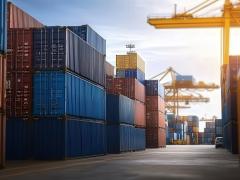
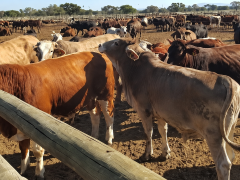
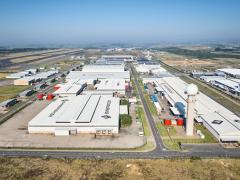
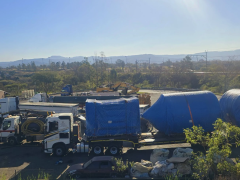
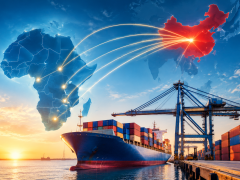
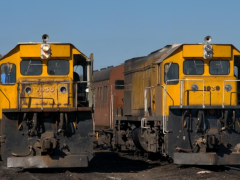
Diversification and economic growth are creating new opportunities for the freight industry in Angola. Earlier this year Angolan economic minister Abraao Gourgel told a news conference in the city of Lubango that the country’s economy would grow by 7% this year, and around 15% in 2012. It seemed a little optimistic, because Angola had gone from one of the fastest-growing economies in the world to under 3%. According to the International Monetary Fund (IMF), Angola’s economy grew by an average of 12% from 2002, peaking at 20.6% in 2005. After that the world recession and falling oil prices had an effect. Angola’s real gross domestic product (GDP) growth dropped from 13.3% in 2008 to 2.4% in 2009. It started recovering in 2010, with growth of 3.4%. Now, half way through 2011, the minister’s optimism seems justified. Business Monitor International predicts that high oil prices will see the current account surplus reach 7.7% of GDP in 2011, before easing to 5.7% in 2012. However, more importantly from a freight and regional economic perspective is that the Angolan economy is diversifying away from its dependence on oil, according to Gourgel. He says a revival of the agricultural sector will contribute to the expected 15% economic growth in 2012, according to the official Angop news agency. Gourgel said the government would continue to spend money on agriculture to revive the sector. Despite sustaining around 60% of Angolan jobs, agriculture contributes just 8% percent to GDP. Programmes currently under way, including the rehabilitation of irrigation schemes, will lead to increased farm output. This, in turn, will increase the demand for the transport of fertilisers and seed to the farms, and produce to market, to factories for processing, or to the harbours for export. Gourgel said the government also wanted to see more goods produced locally, reducing the country’s reliance on imports. Judging by a precipitous drop in traffic from Walvis Bay to the Angolan border along the Trans Cunene corridor, Angolans are learning how to grow and make goods food and goods for their own consumption.
Diversification provides new logistics opportunities
Comments | 0
© Now Media. This content is protected by copyright and may not be adapted or republished. If you would like to discuss cooperation opportunities, please contact: editor@freightnews.co.za.