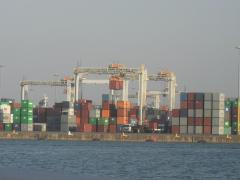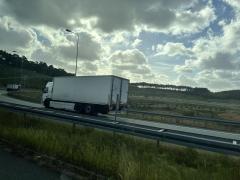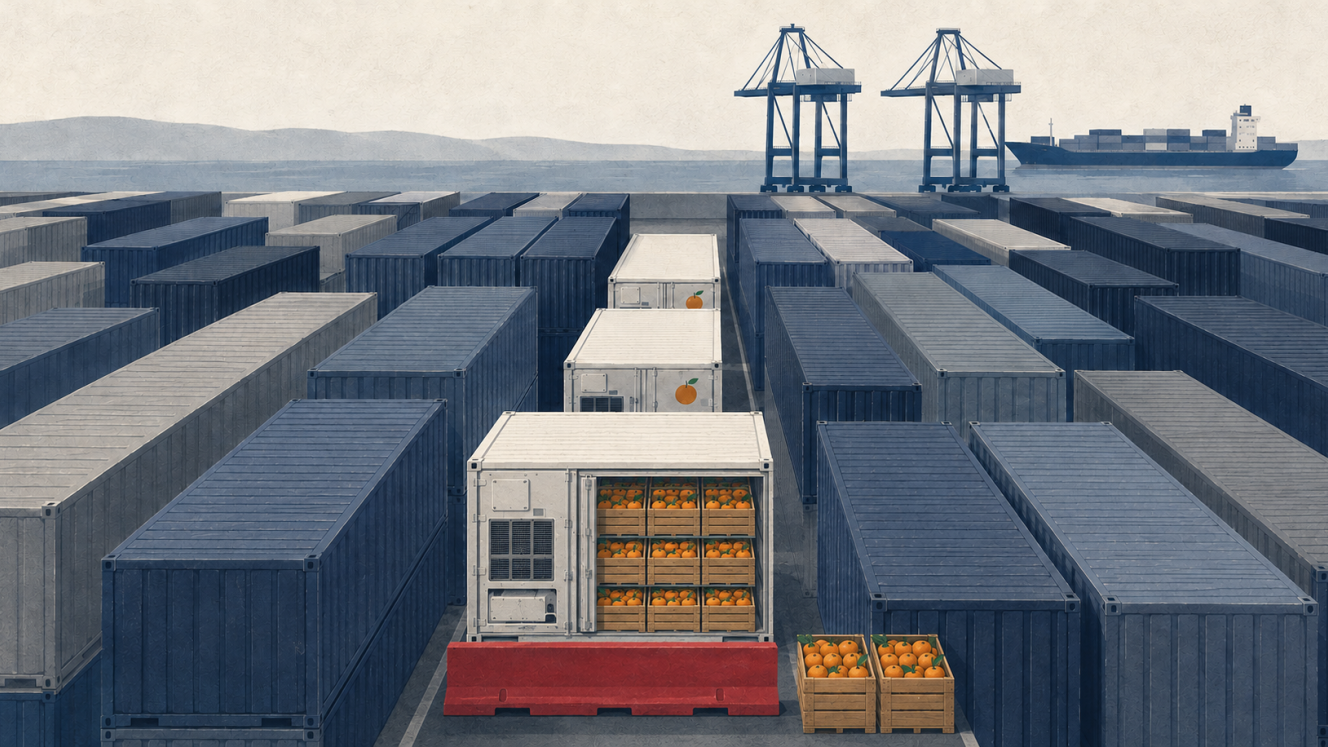
Severe congestion at Durban Gateway Terminal (DGT) is disrupting citrus exports, with trucks reportedly waiting for up to 30 hours to deliver reefer containers.
Transporters and port stakeholders who spoke to Freight News on condition of anonymity, citing fear of reprisals from the terminal, said some fruit consignments had lost quality after standing for hours without refrigeration and had subsequently been rejected for export.
One stakeholder said alternative arrangements were being considered to route future fruit exports through the Port of Maputo to avoid the delays in Durban.
International Container Terminal Services Inc (ICTSI), the private operator that holds a 49% stake in DGT alongside majority shareholder Transnet, has acknowledged the bottleneck. It has waived terminal storage charges for containers currently inside the terminal.
The company said its immediate priority was to accelerate the evacuation of import cargo. It was also working with Transnet Freight Rail to arrange additional train evacuations and relieve pressure on the yard.
“ICTSI acknowledges the recent operational challenges at Durban Gateway Terminal, which have significantly impacted port users. All stakeholders are being engaged to improve the situation and resolve the bottlenecks, and we have seen an improvement over the past 48 hours,” the company said.
“Ten days ago, DGT successfully switched to a new terminal operating system, Navis N4 4.0. While the implementation caused a slowdown in performance, this new system, specifically under the control of DGT, puts the terminal on the planned path for future operational optimisation.”
Exporters consider Maputo
However, transporters said trucks that had arrived before 08:00 on Tuesday for booked appointments were still unable to offload more than 24 hours later on Wednesday morning.
They said the terminal was so congested that movement within the precinct had become extremely difficult.
“Remember, those drivers are waiting there. They’re not eating; they’re standing in this office waiting for this booking,” one transporter told Freight News.
Another transporter said port users were considering alternative ports after experiencing some of the worst congestion at DGT in recent years.
The transporter claimed that some fruit consignments had stood without refrigeration for hours, lost quality and been rejected for export.
“It’s a big mess, and I do not think they’re going to get it resolved soon. We are looking at Maputo to alleviate the pressure and to be able to export. We don’t have that problem there,” the transporter said.
Citrus Growers’ Association of Southern Africa (CGA) chief executive Boitshoko Ntshabele confirmed that the industry was experiencing delays and engaging with DGT about the disruption.
“Our industry is engaging with DGT on a constant basis and understands that it is moving through a necessary period of adjustment as part of a broader effort to secure the terminal’s long-term competitiveness,” Ntshabele said.
“The CGA has consistently called for greater private-sector participation at South Africa’s ports and in its rail network. Greater private-sector participation remains essential to achieving the improved levels of logistics efficiency our industry requires for growth.”
Reefer acceptance paused
In a customer notice issued on Wednesday afternoon, DGT said the Navis implementation had been completed successfully and that the system remained stable.
A dedicated hypercare team was addressing residual issues, but the backlog had not yet been cleared and equipment availability constraints meant a full return to normal operations would take additional time, the terminal said.
DGT said several temporary measures would remain in place until 10:00 on August 27:
- Containers could not be rerouted to alternative stacks.
- Dual load-and-discharge landside transactions remained suspended.
- Reefer acceptance was temporarily paused while existing reefer stock was loaded onto vessels.
Booked containers would be serviced as slots became available, it said.
“We recognise the impact these restrictions have on our customers. In parallel, we are actively adding operational capacity,” DGT said.
“Internal efficiencies are being pursued to support operations, while we are also working with Transnet Freight Rail for additional train evacuations to relieve yard pressure.”
DGT said the temporary measures complemented longer-term equipment and infrastructure programmes intended to strengthen terminal performance and resilience.
All available truck appointment slots were being released to the maximum extent operationally possible while the terminal managed congestion within the facility and on surrounding roads.
“Truck slots have reverted to a 24-hour release window, with allocations reviewed every four hours to maximise throughput. Additional equipment is also being prioritised for import evacuation wherever possible,” DGT said.
“Yard density has shown measurable improvement over the past days, although conditions remain challenging and are being monitored closely across all quays.”
The terminal said storage charges for containers currently inside the facility had been waived and would remain suspended until operational stability had been restored to an acceptable level.
“We have also appealed to shipping lines to consider additional free time and demurrage relief, reflecting the extended time containers have remained on terminal through circumstances beyond customers’ control,” DGT said.
“We remain fully focused on the recovery and committed to open communication as terminal fluidity progressively improves.”
Transnet had not responded to a request for comment at the time of publication.