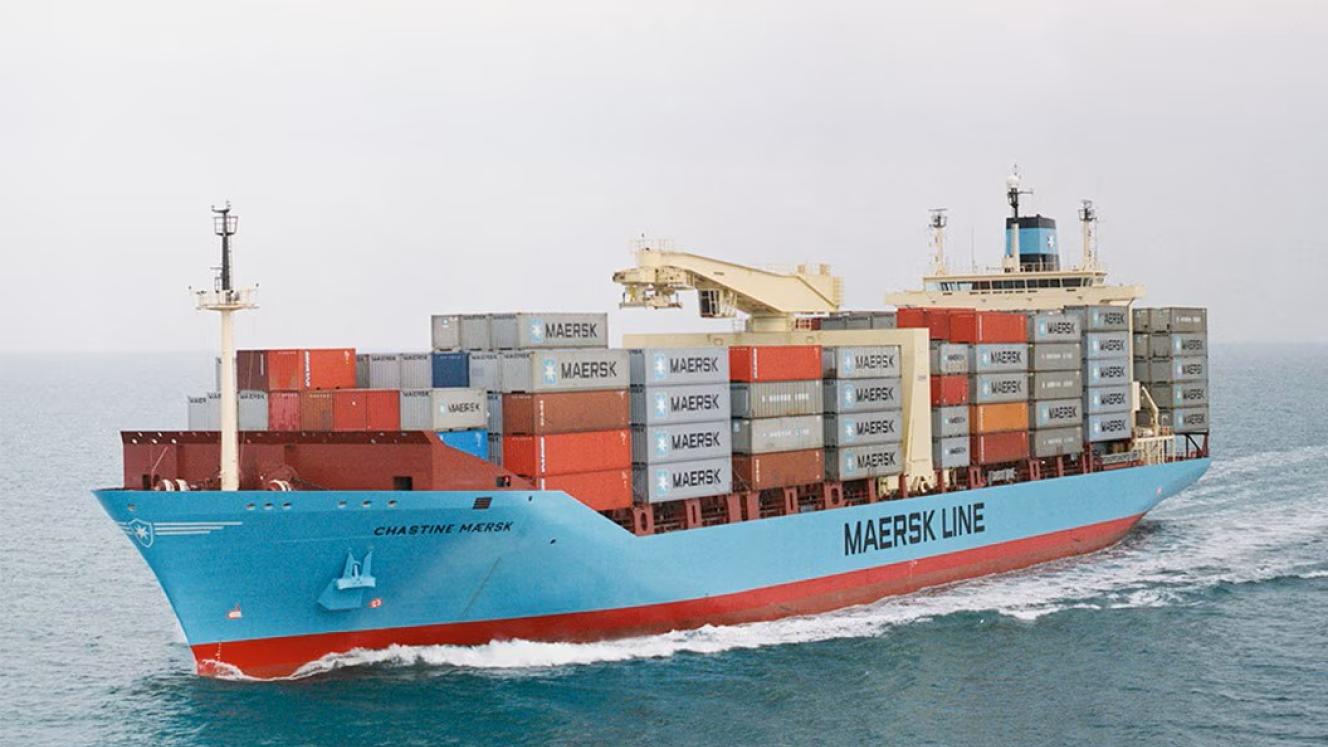
JUST THREE weeks into the berth deepening project at Cape Town container terminal, shippers’ fears of lengthy delays are already being realised, despite reassurances by Transnet that disruption would be minimal. This was illustrated last week as the 3 700teu SAECS 1 vessel, Lars Maersk, finally sailed for the UK after delays totalling 154 hours, caused by a wait for reefer cargo and severe wind. At least eight vessels experienced berthing delays of up to 130 hours, some waiting for cargo, others caught up in bunching and having to sit it out as wind again halted all container terminal operations for 53 hours over the weekend of January 18 to 21 alone. Summing up the adverse factors compounding the problem, terminal acting planning manager Michael Powles, says: “The lines in SAECS 1 are trying to reschedule vessels based on demand and supply dictated by overseas markets and have added a vessel to the service. “When some ships arrive from Durban and find they have to wait for cargo they simply anchor off the port but are obviously intent on sailing with maximum volumes to fully utilise their 1 100-odd reefer plug point capacity.” What the terminal currently has to contend with, aside from deepening which has left fewer berths available, is the resultant bunching of vessels. Berths 600 and 601 have been cordoned off by Danish contractors Rohde Nielsen while the year-long deepening of the latter to 15.5 metres is under way. That leaves berths 602, 603 and 604, each to take a year to complete, but Powles says the contractors have “encroached” on berth 602 to accommodate the new Liebherr cranes, effectively removing onethird of the 300-metre berth, which is to be handed back to Transnet on February 19, 2009 when the deepening is completed. This means, in effect, that vessels up to 200 metres in length, rather than 300 metres, can now utilise 602. “This has limited our bigger vessel capacity somewhat, berthing now restricted to around 54% of original total capacity.” It follows, therefore, that this berthing reduction is certain to impact on vessel schedules. The longest delay last week was 130 hours for the MOL Caledon.
Deepening of CT berth encroaches on existing capacity
Comments | 0
© Now Media. This content is protected by copyright and may not be adapted or republished. If you would like to discuss cooperation opportunities, please contact: editor@freightnews.co.za.