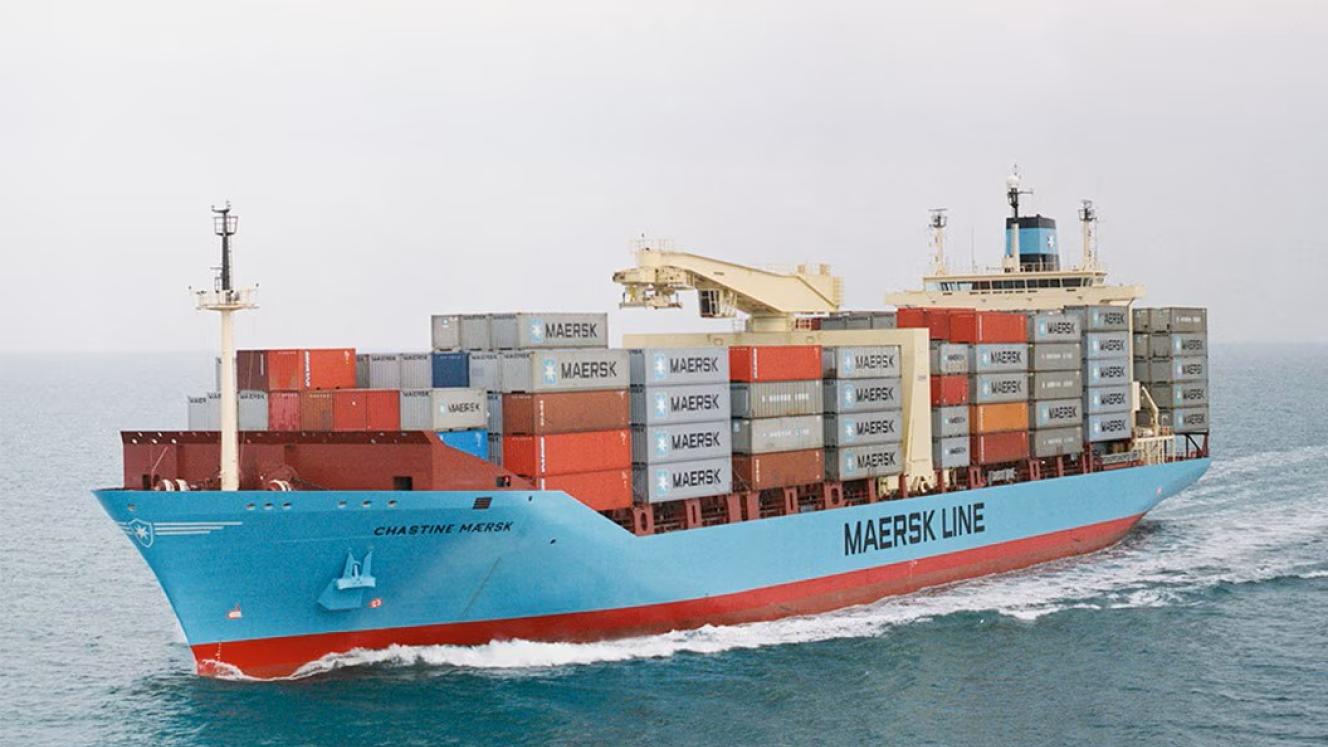
AS TRANSNET Freight Rail (formerly Spoornet) prepares to plough billions into rail infrastructure upgrades in a bid to win back general freight business from road, there are those in the industry who believe that rail is dated technology and that Transnet’s investment is ill advised. “Rail is the equivalent of a black and white television when people want colour,” says Arup South Africa transport economics adviser Andrew Marsay. “You can make it digital, you can add a flat screen, but it’s still a black and white and people are prepared to pay three times as much for colour.” And this is not a criticism of rail, says Marsay. “The fact that one technology has become dated for a particular function is not to say it’s bad. “Too often rail executives are criticised for bad management – but inefficiency in rail is not a cause of the decline, it’s a symptom of the change in technology and to try to make rail do what road does is to try to make a 50-year-old run a four minute mile.” The message is to use the right mode of transport for the right job, says Marsay. “Rail is very efficient for bulk transport but it’s highly inefficient for general cargo and containers. There are far too many loading and offloading events, and different links in the chain are dependent on too many different people and organisations. “Nobody will ever be able to make the rail supply chain anywhere near as efficient as road,” says Marsay, who would like to see government redirecting its investments in support of general freight movements from rail into road. “Road more than pays for its infrastructure costs in public revenue to government – although not necessarily at the point of use. “Government earns R40bn a year from road in fuel levy and licence charges while approximately R15bn is spent on roads. The rail sector on the other hand costs government around R5bn a year and earns the fiscus R1bn tax. “And if you consider that, in addition to this fiscal advantage, road transport has also facilitated a massive expansion in the economy, it’s hugely economic.” The solution, in Marsay’s view, is a dedicated freight highway on the Gauteng – Durban corridor. “You need to listen to the numbers,” says Marsay. “Road investment’s benefit to cost ratio typically comes out at between 5 and 10 to 1 whereas for rail the ratio is invariably less than 3 to1. “We are hugely dependent on getting to the port from Gauteng – and although a dedicated highway may cost R20bn, you would be providing a lot more capacity than by spending the same amount on rail. “Transnet says it will spend R10-60bn on rail freight over the next 10 years. A substantial amount will go to winning back containers on the Gauteng corridor. “But however much they spend they will be trying to buy market share because they have an inferior product. “The same amount of spend could create three times the capacity in the road mode.” Taking it further, one would need to optimise the entire chain for road and design the port for best possible road access. “Already Durban port is thinking of holding areas for trucks at different points. If you had a dedicated freight route you could plan the flow, it could be computer-controlled, and you could buy your slots as if it were a railway. People who want to get to the ship straight away would pay a high premium.” Growth forecasts demonstrate the economic imperative of creating efficient capacity sooner rather than later. “Freight in Durban is growing at 10% per annum. Even if it was only growing at 6% it would mean a doubling of volume in 10 years. “The issue is not how to sort out present congestion, it’s how to provide for doubling capacity on the corridor. “Even if you trebled current volume moving on rail it would make little difference whereas if you built a dedicated highway you would create capacity for all the trucks that are moving on the route now plus a doubling of that volume.” No-one can deny that it’s a convincing argument, but for the moment we’re unlikely to see any radical change in TFR’s rail investment plans.
Dedicated freight highway could solve SA's capacity problem
Comments | 0
© Now Media. This content is protected by copyright and may not be adapted or republished. If you would like to discuss cooperation opportunities, please contact: editor@freightnews.co.za.