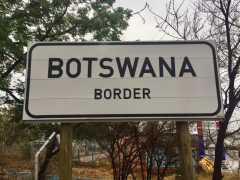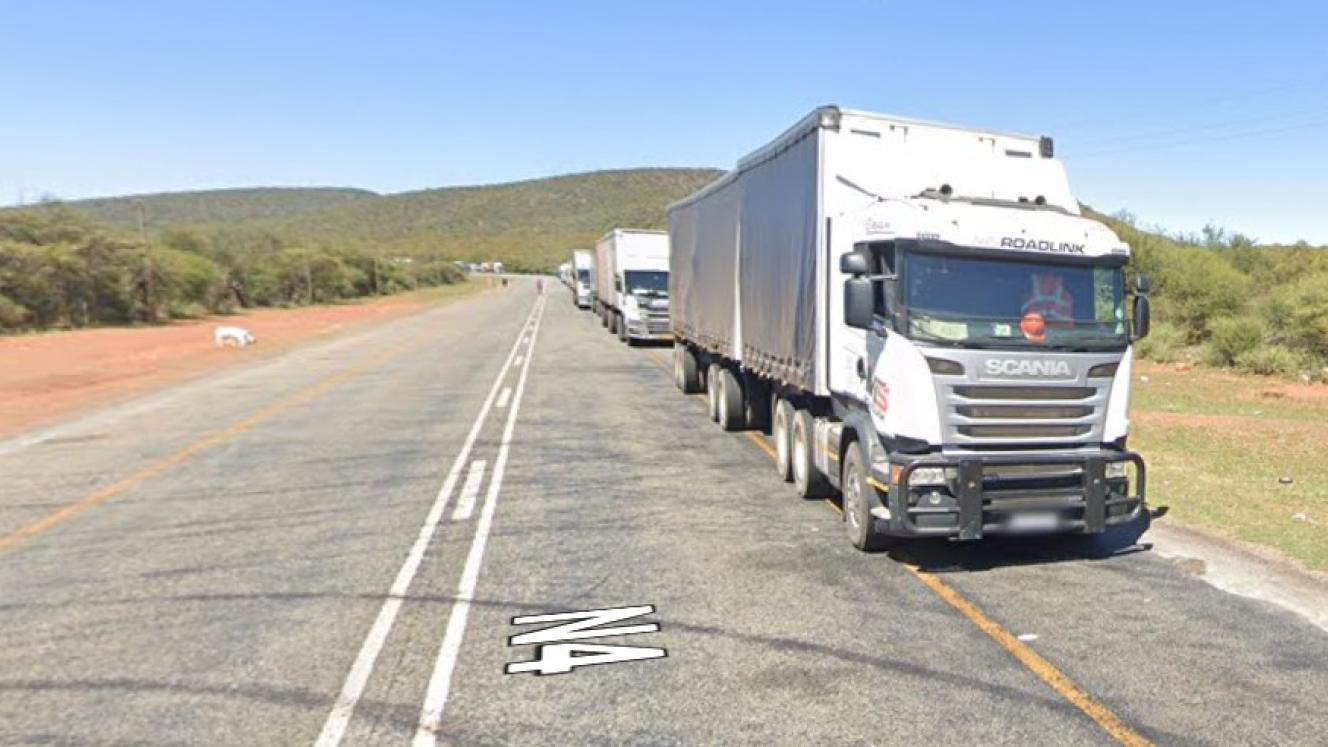
Trucks on South Africa’s N4 highway into Botswana queued for about six kilometres at the Skilpadshek Border Post on Monday morning, resulting in transporters pleading for operating hours to be extended – and not for the first time either.
A member of the Transit Assistance Bureau (Transist) said: “Can we not start putting pressure on customs on both sides to work extended hours to clear up the queue before the major festive season traffic starts?”
To which a private-sector service provider replied: “The South African Revenue Service (Sars) is busy with their festive season planning.”
The stakeholder said it normally led to an extension of hours at some of the border posts.
“We expect an update during the course of this week.”
Transist chief executive Mike Fitzmaurice undertook to assist, adding that border authorities should know by now what to expect at this time of year.
“These planning meetings are a complete waste of time, effort and resources.
“There should be a standard operating procedure (SOP) in place that is automatically implemented on December 1.
“Why do we have to have a meeting to decide how to deal with what happens every year?”
According to Kage Barnett of the Trans Africa Border Hub (TABH), such an SOP was successfully trialled by Fitzmaurice back in 2019 at Beitbridge, where the northbound queue “almost stretched back to Musina, but we sorted it out in under three days.
“We did a couple of things to regulate the queue and had buy-in from the truck parks. Trucks without precleared documentation were pulled out of the queue, and trucks at the back of the line were prevented from jumping the queue”.
He said it had been suggested back then that certain “proceed-to-border” measures, involving customs compliance, be implemented well ahead of transits to avoid bottlenecking at borders such as Skilpadshek.
Barnett added that it beggared belief why an SOP wasn’t in place at the Trans-Kalahari Corridor (TKC) crossing, a vital link for in-transit cargo heading to Namibia.
“This happens every year – that is the issue. And it’s not as if the personnel at the border haven’t seen this before. So surely they should know by now what to expect.”
He said the problem was a lack of resources, which the Border Management Authority (BMA) had previously confirmed.
“An even bigger problem seems to be the lack of will to change things for the better, and facilitate trade.”
Barnett stressed that an immediate measure on the N4 queue would be to post a customs official and a police officer at the back of the queue.
“They should prevent drivers from skipping the queue, and trucks carrying uncleared cargo should be sent to a waiting area to do the necessary. But it takes will to bring about change – and resources. If you don’t have those things, why then are transporters expected to comply with authorised economic operator (AEO) measures? It nullifies the benefits of complying.”
A trade facilitator who spoke to Freight News on condition of anonymity said: “The BMA was quick to claim incident-free movement of dignitaries attending the recent G20 Summit. Imagine if all those politicians had to pass through Skilpadshek. I wonder what the border would’ve looked like then?”