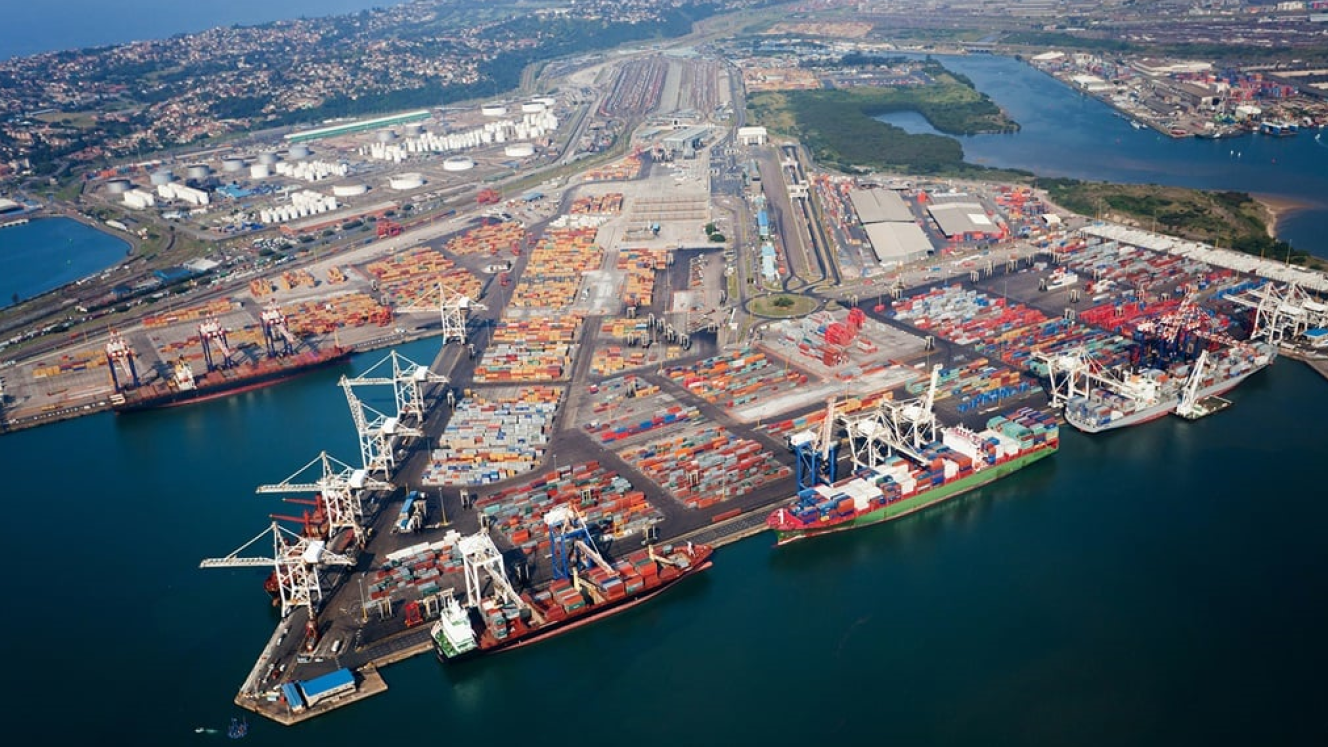
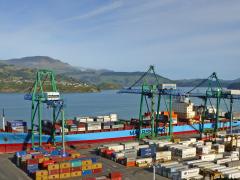
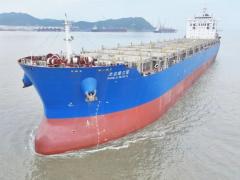
RAY SMUTS VOLUMES INTO Cape Town’s container terminal have doubled in two years which would lead one to assume more berths may be required in the foreseeable future, especially now that the new generation of larger ships are starting to call. But that is evidently not to be. The terminal has four-and-a-half berths to be precise, the ‘half’ capable of accommodating a smaller container ship, and it should be borne in mind that should South African Port Operations emerge victorious in the appeal matter lodged against the proposed multi-million rand extension (FTW February 11, 2005), box volumes will treble to 1.5 million TEUs a year. Yet there is no plan to increase berthing, as engineer Rob Hutchinson explains: “We actually are intending to reduce the existing four-and-a-half berths to three in order to have three cranes per berth to increase ship turnaround times. On the subject of cranes, four of the terminal’s six cranes are more than 25 years old. What is more, argues Hutchinson, these Demag cranes are too small to handle the new generation of vessels. He says the terminal will be purchasing eight new cranes at a cost of more than R40 million, to be delivered two at a time but points out that lead-in time (time from order to delivery) takes about two years. Included in the five-year capital investment programme of some R600 million is replacing the existing 23 straddle carriers with four-high units to allow for increased stacking capacity. “After that, a second capital injection will be required to take us into the new terminal extension. “By extending the terminal by 300 metres toward Woodstock, it will allow us to get all our stacking right behind the three operational berths. Our problem is stack space, not berth space, but at the same time we are looking at deepening the existing berths to cater for these new, bigger ships.”
CT plans fewer berths to speed turnaround
Comments | 0
© Now Media. This content is protected by copyright and may not be adapted or republished. If you would like to discuss cooperation opportunities, please contact: editor@freightnews.co.za.