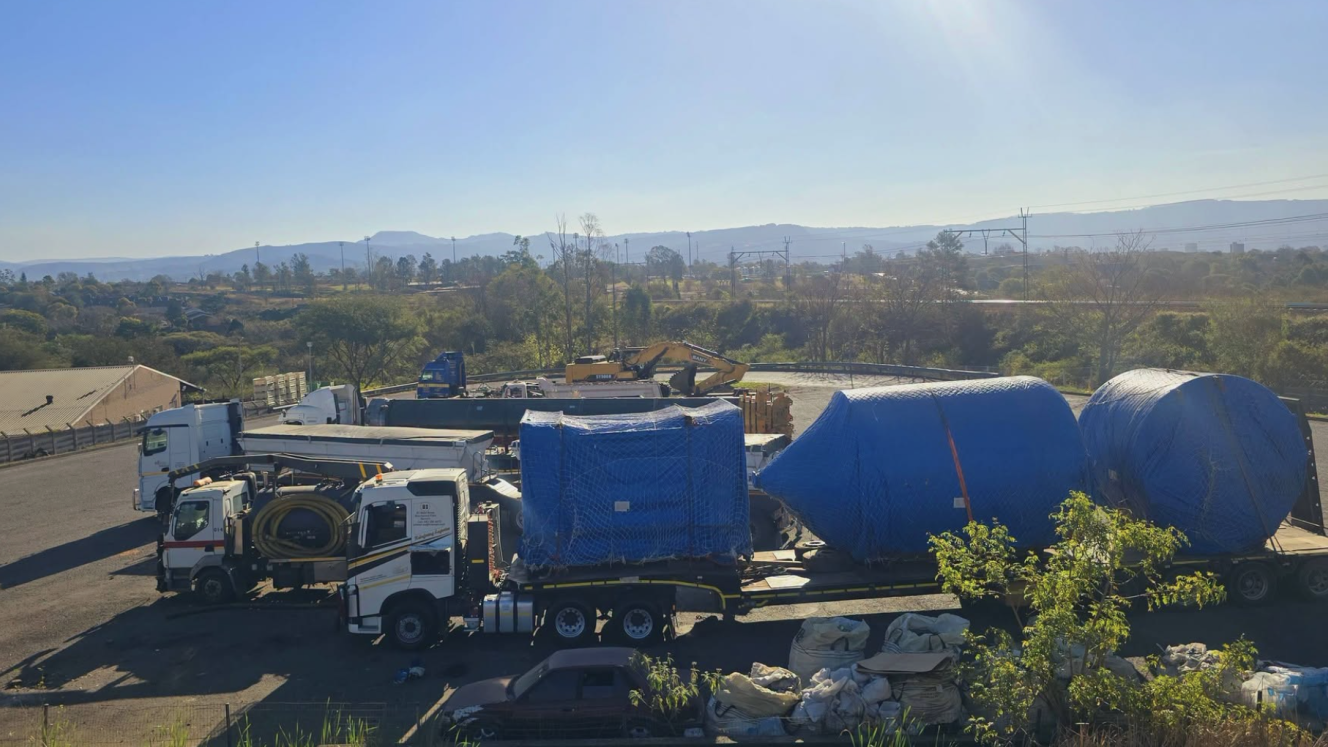
As South African construction companies compete for cross-border projects due to limited scope in local infrastructure development, there’s been a knock-on effect for local insurers. Petra Fordyce, head of marine and transport at Zurich SA, which has active partnerships with 60 insurers across sub-Saharan Africa, said the company had assisted with construction risks and road, rail, air and sea cargo insurance for projects on the continent. “There are many existing and new projects such as mining construction risks within Botswana, road, rail, bridge and dam wall constructions as well as renewable energy projects within Angola, Tanzania, DRC, Mozambique and Mauritius,” Fordyce said. “Goods are mostly exported from South Africa to sub- Saharan African countries. Emerging markets include Angola, Botswana, Tanzania and Mozambique. We prominently insure cargo for retail and infrastructure projects,” she added. “With Africa’s current infrastructure deficit, it’s likely we will see an increase in infrastructure projects – especially if international investment in these initiatives grows,” Fordyce said. According to a 2010 African Development Bank Group economic report, the estimated financing requirement to close Africa’s infrastructure deficit amounts to US$ 93 billion annually until 2020. “Governments are looking for innovative ways to finance these projects. Due to limited infrastructure development within South Africa, many of the South African construction companies are competing for cross-border projects to ensure their sustainability,” she said. There is a demand for insurance of project cargo due to the penalties contractors face if there are delays in start-up and completion dates, she added. However, with the current tough economic conditions, companies moving general imports and exports are seeking to cut costs on comprehensive insurance. “Some smaller companies think they can get by without insurance. They don’t realise that a large loss could have a huge effect on their bottom line,” Fordyce said. Criminals target high-end goods such as computers, televisions, cellphones, tablets and copper. “For high-risk, high valued goods such as computers and mobile phones, airfreight is the better option from a security perspective. Also, it’s best to airfreight fresh produce so that goods reach their destination before the end of their shelf life,” she said. “With sporadic flights and limited operators within African territories, we are often faced with claims for the deterioration of fresh produce when cargo misses the intended flight or when flights are delayed. Shortage claims are also prevalent and strikes are another major challenge,” she said. However, Fordyce says airfreight risks are not a major concern for insurers. “The concern is more on the road freight side. We’re seeing a rise in hijackings of 20-27% according to the South African Insurance Crime Bureau, especially organised syndicates and inside jobs .”
Cross-border projects create opportunities for local insurers
Comments | 0
© Now Media. This content is protected by copyright and may not be adapted or republished. If you would like to discuss cooperation opportunities, please contact: editor@freightnews.co.za.