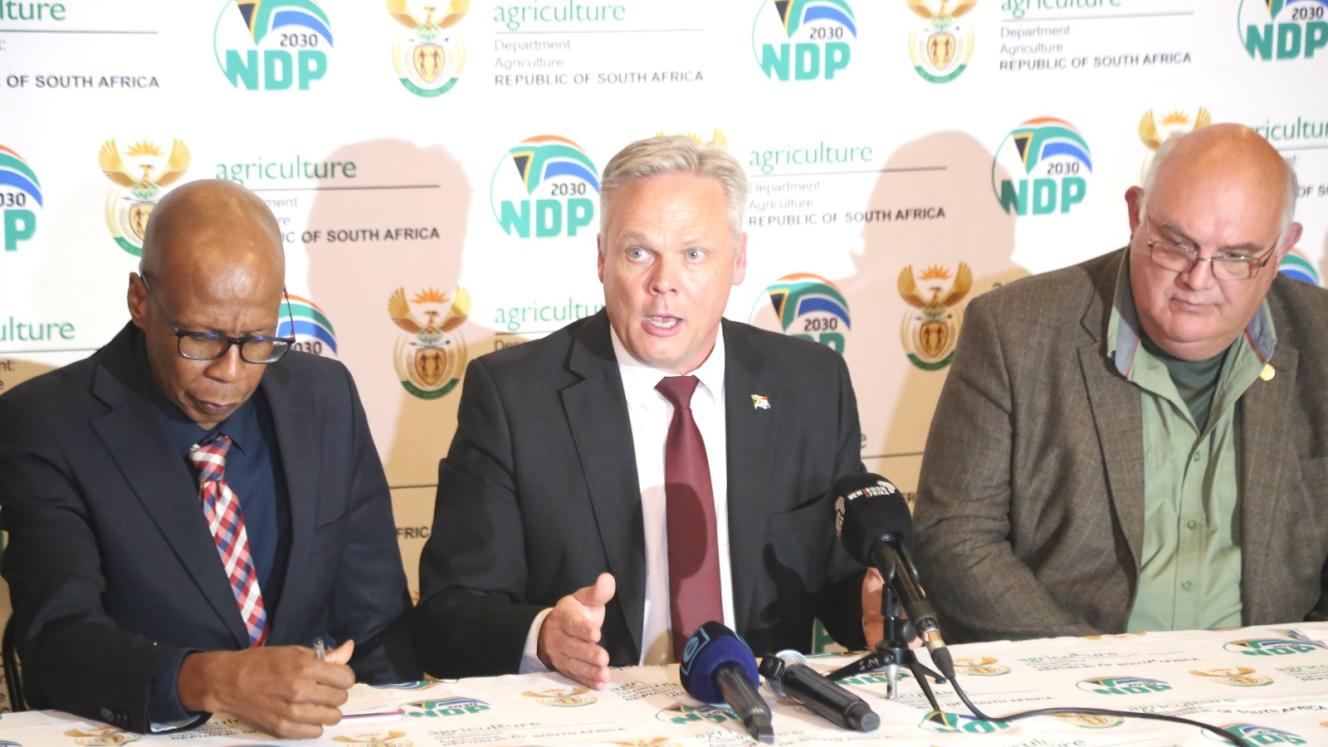
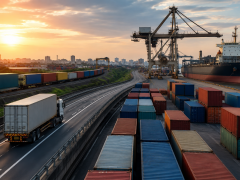
Namibia’s next major challenge may not be about attracting investment into mining and energy projects; rather, it will be about ensuring the country has the skills, infrastructure and logistics capacity needed to support its rapid industrial growth. With activity accelerating across uranium, gold and copper mining, alongside growing momentum regarding offshore oil and gas, pressure is mounting on Namibia’s ability to develop the supporting ecosystem required to sustain this expansion. Speaking to Freight News, Africa House partner Duncan Bonnett said Namibia had made significant progress in establishing the foundations for long-term growth, but the conversation was now shifting from resource discovery to execution. “Namibia has really good building blocks and the potential is huge, but it is now down to the question of delivering on the goals they have set,” he said. According to Bonnett, there has been a definite drop in the number of mining applications and licences issued compared to a few years ago. But, he said, this was more a reflection of projects maturing through their developmental cycles than a sign of slowing activity. “There are still numerous developments taking place across mining, oil and gas, as well as energy,” he added. One of the biggest concerns, however, is the shortage of experienced personnel across the value chain. “The Namibian government is pushing hard on local content, and while governments are correct in demanding a level of local participation and local value-add, it is about how you do it without killing the goose that laid the golden egg,” he said. “Namibia is a small country. It simply does not yet have the skills base required to fully develop an oil and gas sector of this scale. That does not mean the skills will not come, but it will take time to develop the necessary expertise and capacity. “If demands are pushed too aggressively in the short term, there is a risk that projects could come under pressure or even be lost to other markets competing for investment.” Bonnett said another major challenge was ensuring that infrastructure development kept pace with growing demand across the sectors coming on line. “A lot of support infrastructure will be required and again, this is a double-edged sword: Do you spend billions building infrastructure upfront and risk projects not materialising, or do you wait for project commitments and then face delays because the infrastructure is not in place? “Getting the sequencing right is critical to ensure developments are able to progress at a fast enough pace.” He said Namibia’s ambitions to position itself as a regional logistics hub would depend heavily on continued investment in rail and port infrastructure, particularly as competition intensified from alternative trade corridors such as the Lobito Corridor. “Logistics is ultimately about cost and time,” said Bonnett. “If Namibia can offer a more seamless and efficient route into the hinterland, the cargo will come.” LV
Creating an enabling environment to meet demand
Comments | 0
© Now Media. This content is protected by copyright and may not be adapted or republished. If you would like to discuss cooperation opportunities, please contact: editor@freightnews.co.za.