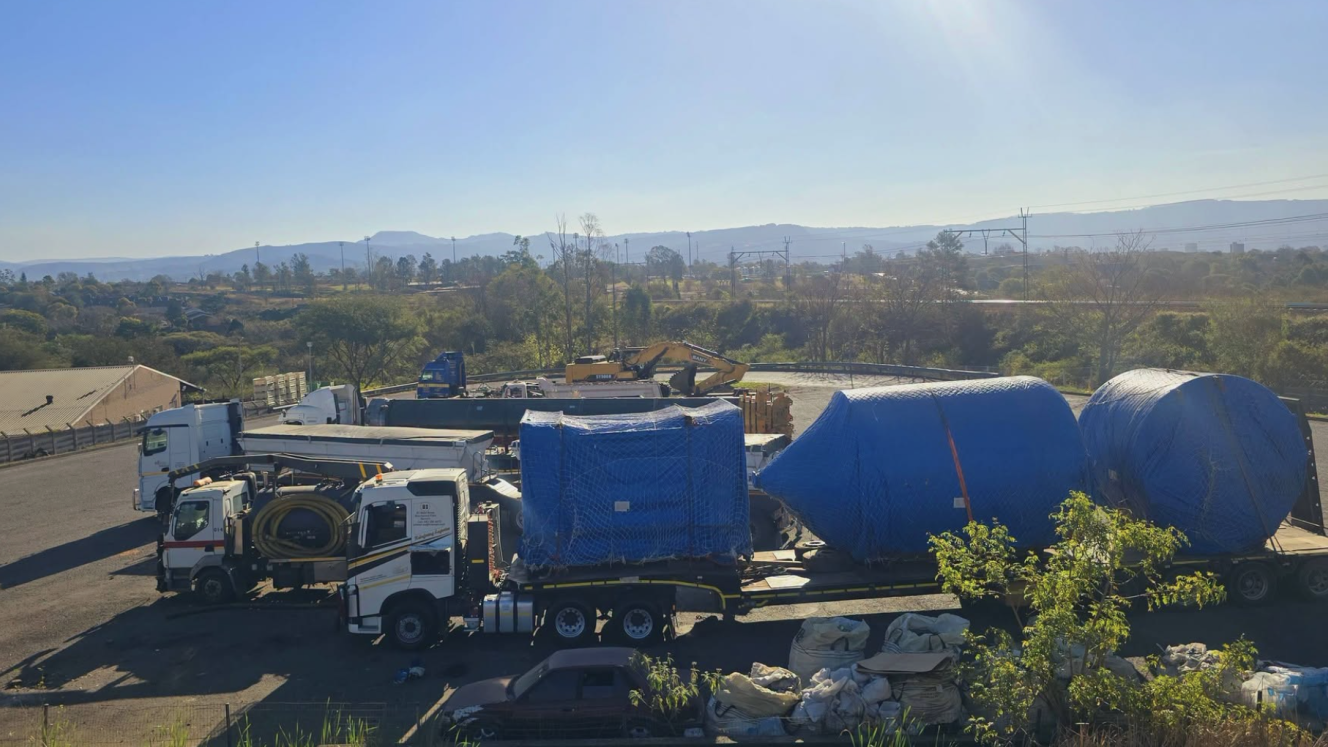
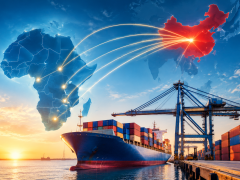
A recent study has revealed that shippers opt to pay higher charges rather than deal with corruption when it comes to their choice of ports. Businesses strongly dislike the uncertainty that is created by corruption and 46% of companies that could save money by shipping through the port of Maputo would still choose Durban which is perceived to be less corrupt. This is according to the study published last month by the International Growth Centre (ICG) which examined what shaped customers' choices between the two ports, each with different levels of corruption. “An important finding was that South African products that fell under a high tariff grouping, according to Mozambique’s tariff code, were more vulnerable to being stopped for bribes en-route to South Africa,” said the Londonbased author of the report, Sandra Sequeira. She noted that the case study established that different border bureaucracies created opportunities for border officials to engage in two different types of corruption. “Firstly, collusive corruption sees officials ‘selling’ tariff evasion – mostly to Mozambican firms importing goods through Maputo.” According to Sequeira, this reduced the cost of trade but resulted in major losses in government revenue. Coercive corruption on the other hand ups the price of trade as agents are forced to pay an additional fee to see the goods being cleared faster. She said that this latter form of corruption played a strong role in affecting South African businesses’ choice of port. “Given the chance that a shipment would fall under a high tariff code and thus be subjected to coercive corruption, most firms opt to double their transport costs and ship through the port of Durban just to avoid the bribe,” said Sequeira. An effect of this, according to a transporter who preferred to remain anonymous, is that it creates an imbalanced cargo flow and therefore even further congestion at the port of Durban. “In some cases, our customers will insist on the most cost-effective and fastest way of transporting the goods – regardless of what that means,” he said. Sequeira noted that a reduction in corruption could be achieved by reducing in-person contact between private agents and port officials or reducing the steps in the process (such as online document submission and single window clearance systems). “A better understanding of the rules of thumb used by different officials to identify bribe opportunities would enable more targeted anticorruption strategies,” she said. INSERT Counting the cost The World Bank estimates that the burden of corruption to the global economy per year is US$1 trillion (or 3% of GDP). In its report, ‘The Costs of Corruption’ released earlier this year, the Centre for Strategic and International Studies (CSIS) noted that in developing countries such as South Africa this was higher, costing up to US$500 billion in 2012 alone. The CSIS report also found that corruption added at least 10% to the cost of doing business in developing countries. Furthermore, that illicit funds in emerging economies were leaving the countries at an accelerated pace. CAPTION The Port of Maputo … perceived to have a high level of corruption.
Corruption drives business away from Maputo
Comments | 0
© Now Media. This content is protected by copyright and may not be adapted or republished. If you would like to discuss cooperation opportunities, please contact: editor@freightnews.co.za.