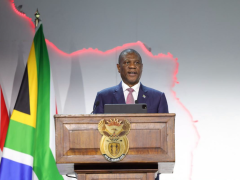
A leading global insurer has warned that consolidation companies are likely to carry some responsibility for container weight verification when the new International Maritime Organisation (IMO) ruling kicks in on July 1 next year. The amendment to the Safety of Life at Sea Convention (SOLAS), which mandates the verification of the gross mass of a container, overtly names the ‘shipper’, the ‘master’ and the ‘terminal representative’ as carrying responsibility for the verification. But who exactly is the ‘shipper’? Risk management and insurance provider, TT Club, comments that due to the complex nature of logistics, the term may encompass a range of people involved in the contracting, packing and transportation of cargo. Marketing manager for TT Club, Tally Judge, said: “The World Shipping Council (WSC) guidance notes that the key commercial relationship in question is with the person whose name is placed on the ocean carrier’s bill of lading. Therefore, in many cases, the responsibility for the actual verified declaration would rest with a freight forwarder, logistics operator or non vessel operating carrier (NVOC).” Judge commented that this meant that often reliance would have to be placed on others to have adequate certified methods to provide the verified weight – particularly for consolidation business. “Apart from having a sustainable method by which gross mass is verified, the shipper would also need to communicate the weight in advance of the vessel’s stow plan being prepared,” said Judge. He explained that the information would be sent by the shipper to the carrier but pointed out that with joint service arrangements, there could be a number of carriers involved, with one taking responsibility to consolidate the manifest information. CEO of Transnet Port Terminals (TPT), Karl Socikwa, says it is important to fully understand the new International Maritime Organisation (IMO) ruling around mandatory container weighing and for all industry role players to work together to try to minimise its potential impact. “There certainly will be an impact on operations and, if there is still a lack of clarity on the regulations by the time the new ruling kicks in on July 1 next year, it will slow down port and port related operations,” said Socikwa, speaking to FTW on the side lines of Transnet’s financial results announcement last week. He said: “We are currently studying the new regulations and looking at what we as an operator need to do to help the shipping lines and other parties comply with the ruling – whether it be the installation of weigh bridges or providing training, we just don’t know yet.” Socikwa commented that the ruling was a “noble idea” but that it was important to implement the new law in such a way that it did not hamper trade facilitation and cause unnecessary delays. INSERT & CAPTION A lack of clarity on the regulations will slow down port and port related operations. – Karl Socikwa
Consolidators need clarity on new IMO weight ruling
Comments | 0
© Now Media. This content is protected by copyright and may not be adapted or republished. If you would like to discuss cooperation opportunities, please contact: editor@freightnews.co.za.