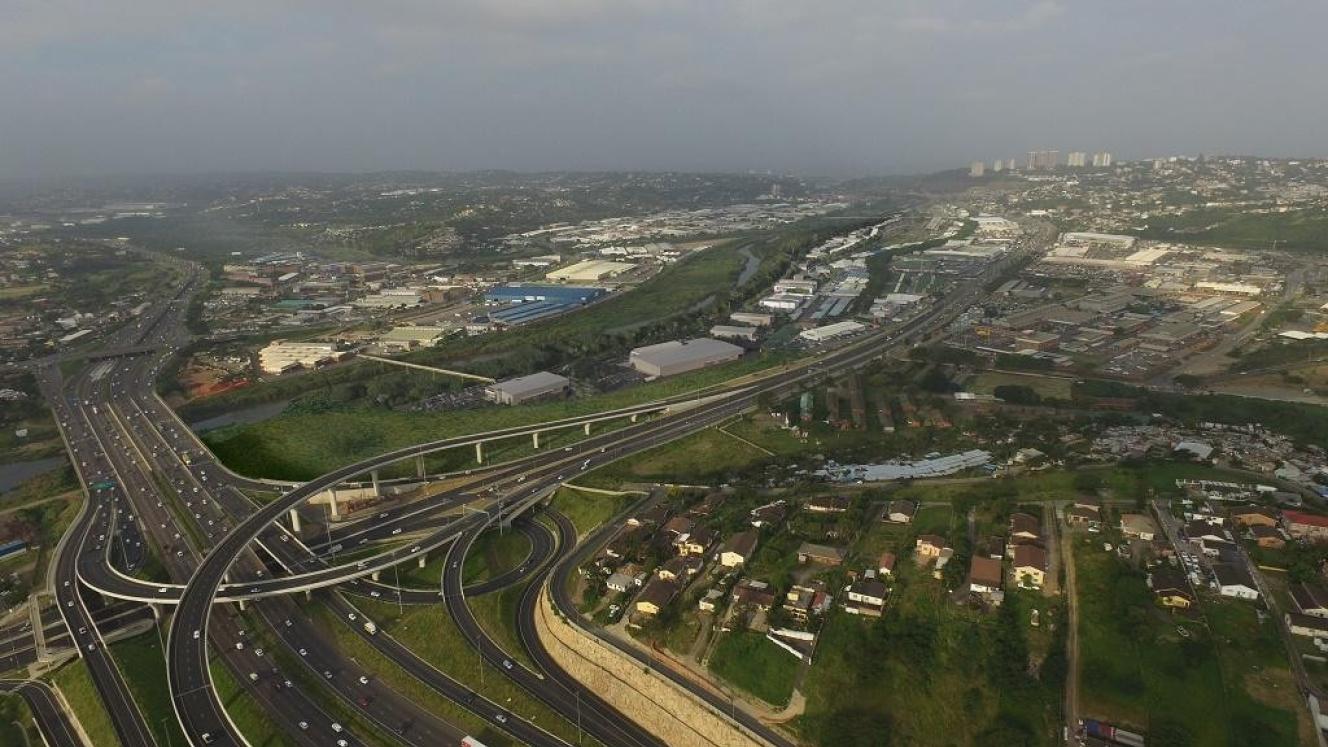
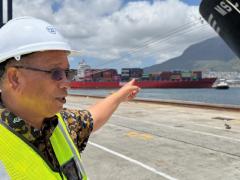
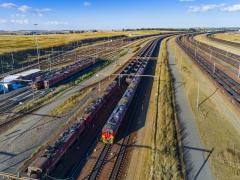
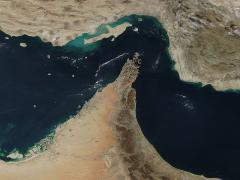
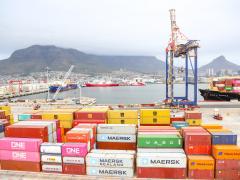
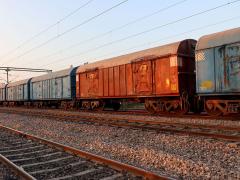
Transport infrastructure cripples bulk export growth TERRY HUTSON SOUTH AFRICA has missed the boat of opportunity when it comes to the boom in China. And the bad news is that this will continue because the country’s transport infrastructure is incapable of handling anything more than at present. The efforts of local entrepreneurs, mining houses and manufacturers have been completely frustrated by South Africa’s inability, some even say unwillingness, to expand the transport infrastructure and mining and manufacturing output sufficiently and quickly enough to take advantage, as competitor countries are doing. In recent weeks it was announced that Brazil was preparing to sign agreements with China when Brazil’s leaders visit the Asian country later this month. These will see China investing more than US$4billion on upgrading Brazil’s creaking ports and railway system. The reason for this mammoth foreign investment? Because China wants to be assured of continuity with the delivery of vital raw materials, mainly coal and iron ore, necessary to sustain its economic leap forward. Meanwhile the world’s largest oilseed processor, Bunge Ltd, has announced a US$1.3bn investment to help upgrade Brazil’s ports and railways, because, says Bunge’s CEO Alberto Weisser, “Brazil has a responsibility to feed the world.” Weisser adds that an additional 200 million tonnes of soy and maize are needed between now and 2010 to satisfy the current 3.5% annual growth in world demand. Other reports show that Rotterdam is close to securing funding from the Dutch government for a US$3 billion expansion of the already huge port, in its case to absorb additional imports coming from China. This amount is only a quarter of the total investment required to re-equip Rotterdam for the task - the other three quarters will be raised by the port/city authority. In West Africa Sierra Leone will shortly resume iron ore exports to China, for the first time in more than 20 years, in response to the demand. Back home, delegates to the recent Coaltrans Conference in Cape Town voiced their concern over SA’s inability to take advantage of world markets, particularly those in China. They reported the much vaunted Richards Bay coal line as being inadequate for further growth, and said the port of Saldanha had reached its peak, due again to railway limitations. As a result mining houses are looking seriously at Coega as a future alternative export outlet using road haulage from the Northern Cape. In Durban the sight of heavy ore lorries delivering coal and other minerals to the harbour, often from as far as 600km away, is now commonplace. Meanwhile our exports of bulk squeak forward in centimetres, while those of competitors are registering off the clock.
Competitors overtake SA in race for China business
Comments | 0
© Now Media. This content is protected by copyright and may not be adapted or republished. If you would like to discuss cooperation opportunities, please contact: editor@freightnews.co.za.