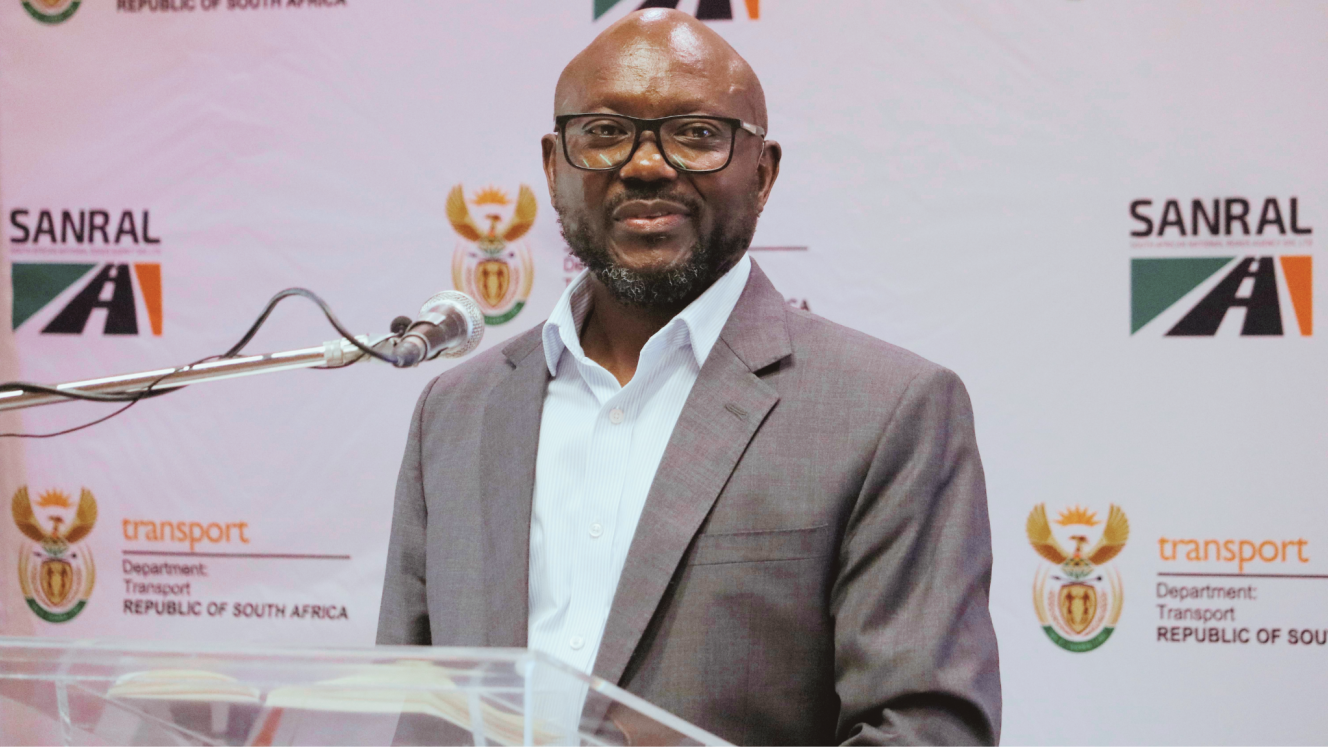
The unpredictable volume forecast in the mining sector remains a huge concern for specialist minerals logistics companies in 2013, said Kriba Naiken, director of Quattro Logistics. “With fixed monthly costs versus an ebb and flow of volumes it makes for difficult situations that have led to many a logistics service provider barely surviving. Many others are trying to base their service on contracted volumes, which is rare, as most mines cannot afford the risk themselves.” He believes that rail is the solution to addressing costs, but growing mine production volumes, lack of efficiency at loading and off-loading nodes and poor planning and intelligence have created a stigma for this mode of transport. “Transnet has committed to massive investments in rail and supporting infrastructure but we will only appreciate this benefit in a few years’ time,” he said. “For now, companies have to be innovative and push for the best solutions possible to ensure they remain viable and survive the next few years.” With the lack of bulk rail capacity, logistics costs continue to rise as too much rail-friendly cargo lands on trucks. “Port capacity for bulk shipments are limited even with markets being tentative, but with indications that markets are set to increase even for a short period in the new year, bulk capacity will become nonexistent, meaning that some mines will not be able to take advantage of market upturns,” he said. According to Naiken, collaboration is going to play a major role to ensure success in the mining sector over the next few years. “Collaborative efforts between the producers, Transnet’s respective divisions, consignees, logistics companies, shipping lines, road transporters and logistics architects, like Quattro, will be the differentiating factor to determine if success can be achieved.” CAPTION Kriba Naiken … ‘Rail is the solution to addressing costs.’
Collaboration will be key to success in mining sector
Comments | 0
© Now Media. This content is protected by copyright and may not be adapted or republished. If you would like to discuss cooperation opportunities, please contact: editor@freightnews.co.za.