The citrus industry is moving closer to implementing Performance Based Standards (PBS) vehicles as export volumes continue to surge and pressure mounts on existing logistics infrastructure.
According to Mitchell Brooke, logistics development manager for the Citrus Growers’ Association of Southern Africa (CGA), traditional trucking models are becoming increasingly unsustainable as citrus volumes rise sharply across the country’s key export corridors.
Speaking at the Transport Forum hosted by Standard Bank in Durban, Brooke said the sector was entering a “radical growth spurt” that would fundamentally change transport requirements over the next decade.
“We had 170 million cartons exported in 2024 and 203 million in 2025. This year’s export estimate is sitting at 209 million,” he said.
With the industry forecasting growth to around 260 million cartons by 2032/36, Brooke warned that without alternative logistics solutions, the industry could face severe transport bottlenecks during peak export periods.
“If you are running continuous demand over 12 months you have more capability to come up with solutions. The seasonality of our industry is something we continue to grapple with. We cannot invest in trucks for a three- or four-week period to manage that,” he said.
“We are going to have a problem with transport. In fact, this year might be the year we see that complication because we have such a huge production coming from the north.”
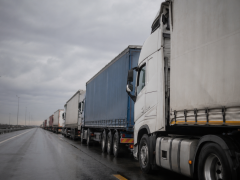
The CGA estimates that, on a net-zero rail scenario, the Northern Corridor could require an additional 1 000 truck trips a week to move fruit to port, while the Eastern and Western Cape corridors combined would require at least another 1 400 trips during peak season. Currently around 4 400 trips are undertaken weekly from the three regions during the citrus season.
“It is important to break it down to corridor level,” said Brooke. “Each corridor is highly specific in the way it runs its applications. We are also running fruit as far as 1 400 to 1 600 kilometres down to port.”
He said container demand was another growing concern that would need careful consideration going forward.
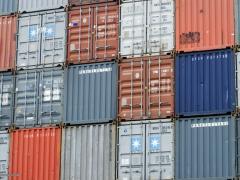
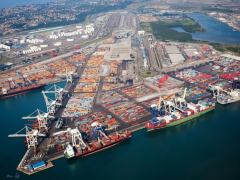
“How we move this product from farm to port has to be a serious consideration. The numbers are massive. Last year we got to 119 000 containers and if we grow as we are predicting, we are going to need more than 162 000 containers.”
He said with all these factors under consideration, the smart truck application had been under investigation for some time as part of a solution to move citrus efficiently along major export corridors.
According to Brooke, initial investigations have shown that transporting fruit on two 12-metre reefer containers in most regions would be the most compatible option for citrus and deciduous exports, but he said trials would take place within the citrus sector to demonstrate the viability and best PBS combinations for fruit transport.
He said one of the first trials involving citrus operations was expected to take place within the coming months.
PBS vehicles, or smart trucks as they are known, are designed around performance and safety outcomes rather than traditional prescriptive vehicle dimensions. The systems allow higher productivity combinations while maintaining strict safety and road performance standards.
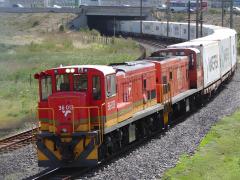
Brooke stressed that road transport alone would not solve the industry’s logistics challenges, emphasising the need to accelerate rail reform and investment.
However, he was concerned about the pace of rail policy development and infrastructure challenges, warning that the citrus industry could not afford any delays.