China is reinventing itself and changing the way the country and its people are perceived, Meorient International Exhibition’s chief operating officer, Binu Pillai, told FTW Online.
“Domestic buying power has gone up significantly so the country doesn’t have to survive on exports alone,” he said.
The International Monetary Fund (IMF) reported that this transition would lead to a “slower but more sustainable growth path” with the country’s economy expected to grow at 6.6% this year. “Given China’s track record of reforms and strong commitment by the leadership, the IMF is confident that China will rise to the challenges ahead,” said an IMF spokesperson.
“Although pretty much near or zero duties are charged on 95% plus of products, this has not in the past aligned with the export profiles of South Africa or African countries to the world or to China,” Hannah Edinger, associate director at Frontier Advisory Deloitte, told FTW Online.
“Africa’s export basket has been resource-dominated. From a structural perspective African countries’ exports to China have thus been very concentrated and dominated by oil and other resources. Furthermore, while it may not be tariff barriers that have been hindering export volume growth or diversification from South Africa or other African countries into China, there have been various non-tariff and technical barriers to trade - including sanitary and phytosanitary measures, logistics and distribution, language and culture,” she added.
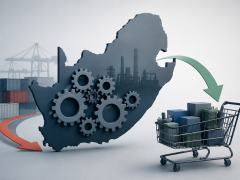
Dr Azar Jammine from Econometrix told FTW Online that the imbalance in trade between China and South Africa, with more products being imported than exported, was partly a result of their notably competitive labour force.
“The Chinese have not shifted their mindset to being a big importing nation. They still think in terms of trying to export more than they import. It’s quite a challenge as one encounters this on many product lines, a suspicion they’ve been dumping into a market what they can’t sell at home,” he added.
Dr Ross Anthony, director of the Centre for Chinese Studies at the University of Stellenbosch, said the rebalancing of the economy in China to a “new normal” that accommodated the middle class had resulted in less manufacturing and more service sectors, as witnessed in Taiwan in the 1980s.
Anthony considered the possibility of China seeking to move its lower end, polluting industries to other countries and Africa’s call for more industrialisation as complementary goals.
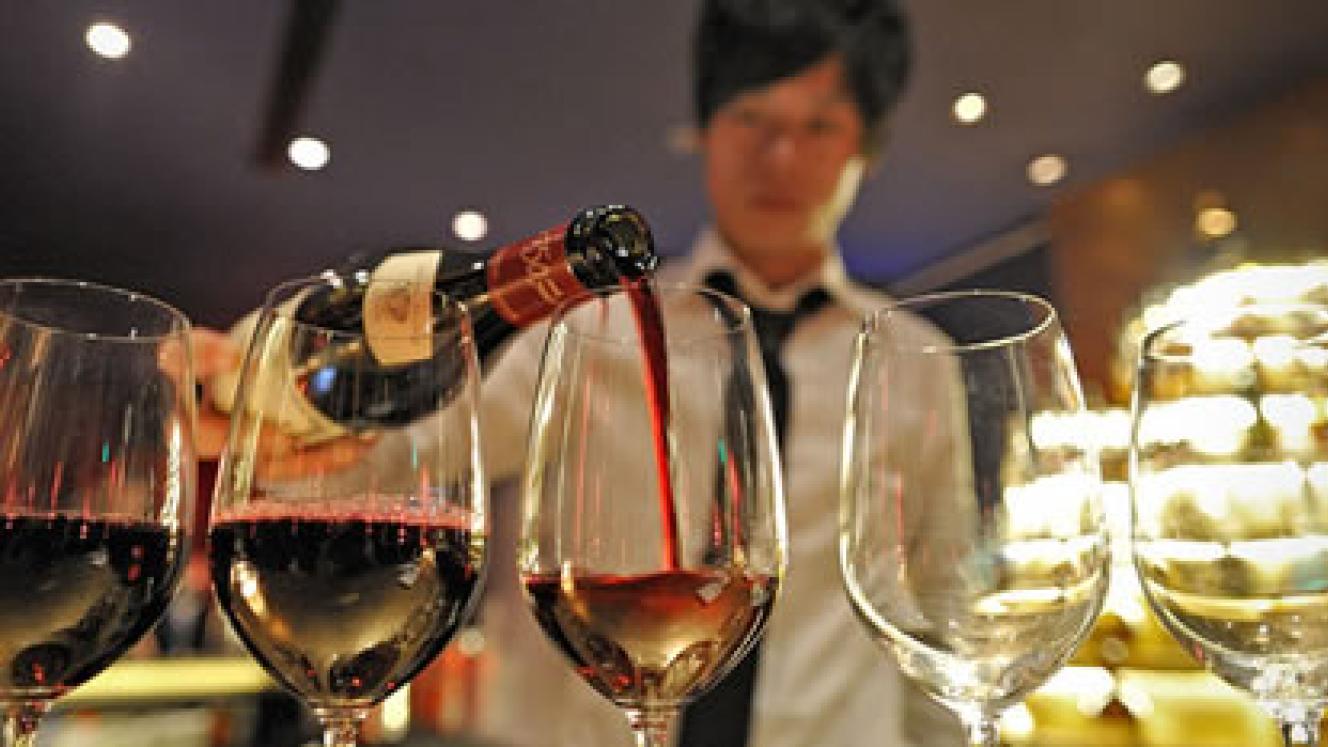
“China’s industrialisation in Africa will go to different places for different industries; the low end may not be beneficial to South Africa,” Anthony noted. Wine and fruit exports to China are growing. Finance and insurance are also in the spotlight with the launch of the BRICS bank and China’s investment in Eskom and Transnet. Investment in the “blue economy” has seen development of Africa’s ports and marine resources in general.
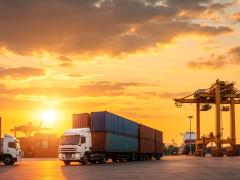
Glenn Delve, national commercial director at Mediterranean Shipping Company (MSC), told FTW Online that he had seen growth in business with China. However, he noted that while China was the driving region and country in this regard, business was variable. A fluctuating exchange rate and a slump in China’s economy are partly responsible.
He said that while China continued importing raw materials from Africa, the nation was not as commodity focused as it was before as its huge infrastructural growth tapered off. In addition, demand for ferrochrome, chrome, manganese and copper is down as a result of depressed price and volume during the past eight years.
“There is a lot of focus on building the middle class in China, not so much on infrastructural development. Main commodities from South Africa are not in demand as much as they were before, but we are still moving big volumes of minerals out of southern Africa. I’ve always advocated that South Africa should be more manufacturing driven and not just send out raw materials. However, if we tried to export manufactured goods it could be a challenge as China is the master of super manufacture,” he explained.