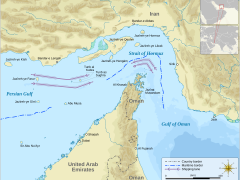
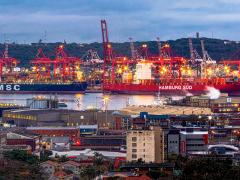
Taking matters into your own hands is one attractive option for shippers to ensure control over transport and customs variables and safe passage for valuable perishable cargo. Farmers associated with the Western Cape Citrus Producers’ Forum found that access to the lucrative US market was eased by chartering their own vessels. Growers and exporters felt they could not rely on container shipping lines only, due to the volume exported over the season. The terminals in New York cannot handle such a vast volume of containers per vessel to meet exacting US regulations. “This is the tenth year running that we’ve chartered vessels. I am on the logistics committee for the forum, and we put out a tender for a company to bring in vessels that would adhere to the very strict US protocols. It’s a very difficult market to bring your product in – more stringent than even Japan. Obviously, we get good returns there, and we’ve become dependent on that,” said Rowan Van der Vyver of WP Fresh Distributors, a fruit distribution and exporting firm in Somerset West. A vessel transporting perishables to the US requires approval from the US Department of Agriculture. “The USA agricultural department sends out inspectors to South Africa in the citrus season to work alongside our department of agriculture to do inspections. The fruit is inspected prior to shipment to the US. We pack it in consignments and a certain percentage has to be inspected. We only ship Western Cape, Northern Cape and Orange River citrus to the US because only these areas are free of citrus black spot,” Van der Vyver said. Most of the US citrus is shipped breakbulk, with a small percentage in containers. Other fruit products are shipped by companies in containers throughout the year, going under the same US protocols but sent on regular trade lines. According to Van der Vyver, South Africa sends its superior quality of crops to the USA to benefit from the returns from this market. Describing his firm as a “smaller shipper,” he says the company ships in excess of 400 containers a year filled with a variety of SA fruits. The past stonefruit/grape peak season, November to January, was a much slower season than previous years, according to Van der Vyver. Recession, oil price, rate of exchange and extreme weather were all factors. “In previous years we did quite a few airfreight shipments to the UK but this past season we went down from 50 shipments last year to three due to the high cost of fuel,” he said. “Our biggest market after the USA is the Middle East. We ship out of most South African ports on the Far East route, and most of the shipments go to the Persian Gulf as well as Saudi Arabia – all the popular destinations where there is a strong demand for South African fruits,” Van der Vyver said.
Charter vessels meet stringent demands of US market
Comments | 0
© Now Media. This content is protected by copyright and may not be adapted or republished. If you would like to discuss cooperation opportunities, please contact: editor@freightnews.co.za.