The City of Cape Town (CoCT) is set to present its new Manufacturing Support Policy to council this year, while the conceptualisation of a complementary Business Support Policy is progressing steadily.
According to Alderman James Vos, mayoral committee member for economic growth, the aim of these policies is to provide certainty and practical backing for businesses operating in the Western Cape.
“It is all about how we make it easier for businesses in the Cape to export,” he said at the opening of Wesgro’s ‘Made in the Cape’.
The trade event – aimed at targeted B2B meetings – currently under way at the Cape Town International Convention Centre (CTICC), is connecting 35 international buyers from 17 countries with 240 exporters from the Western Cape over several days.
Vos said the manufacturing policy would focus on extending incentives and targeted support across Cape Town’s 33 industrial areas.
“If we strengthen our industrial nodes, we strengthen employment, supply chains and ultimately export capacity,” he said.
A key priority is improving practical capabilities within these areas, from faster municipal service delivery to greater energy and water resilience.
“Without reliable energy and water, we go nowhere slowly,” said Vos.
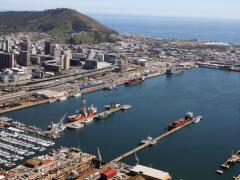
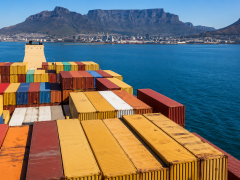
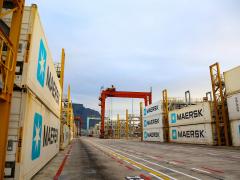
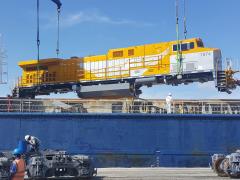
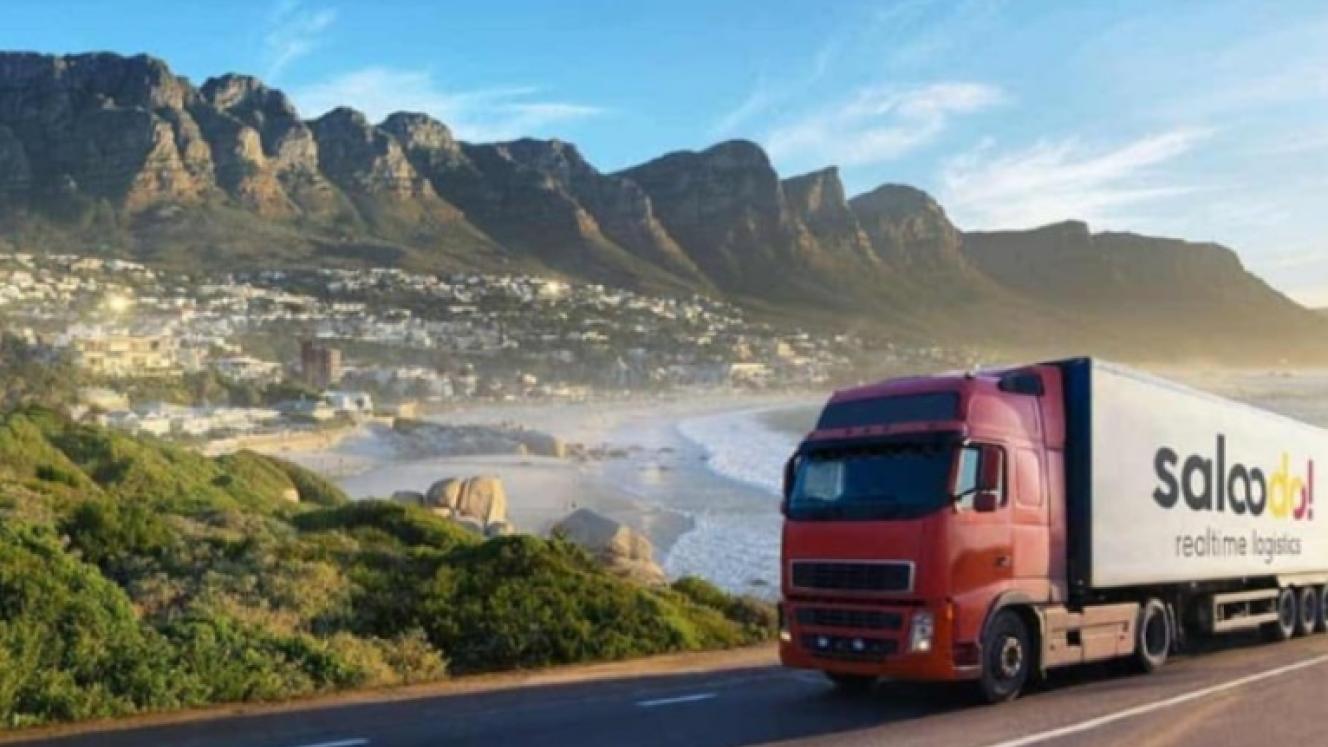
“Another key focus is logistics. We need to improve how we move products from our manufacturing hubs to our ports more efficiently to support exports. That means getting the basics right.”
He said the ultimate goal was to make it as straightforward as possible for businesses to establish themselves in the city’s industrial zones. The forthcoming Business Support Policy will add further momentum by focusing on ensuring companies are product-, market-, investment- and export-ready. This includes support around costing, marketing, supply development and scaling production sustainably.
“There are two legs to these policies,” said Vos.
“The first is making sure businesses can operate competitively and build something that is market-ready and commercially viable. The second is kicking down doors, opening markets, connecting with buyers and helping Cape-based companies get their products on to shelves around the world.”
He told exporters and international buyers that the two policies were designed to work together to provide clarity, accessibility and long-term certainty for businesses.
Vos also placed the policies within the broader economic ecosystem of the city. Boosting exports required landing more flights, docking more ships and ensuring goods could move efficiently in and out of Cape Town, he said.
Referring to the ‘Made in the Cape’ programme, Vos said his department would continue to support the platform, which now in total featured 1 290 exporters, 8 399 products and services and 761 international buyers across 80 countries.
He described the event, which runs until March 5, as a part of the City’s bigger apex programme focused on ease of doing business.
“Export growth does not happen by accident.
“It must be frictionless and seamless. To achieve that, you need the right logistics, the right infrastructure and the right partnerships in place.”
According to Vos, the benefits extend far beyond a single company or even sector.
“When a local manufacturer secures an export order, it strengthens an entire value chain, from production, packaging, logistics to distribution. The whole ecosystem must be firing on all cylinders.”
He said this required sustained investment in infrastructure that made business sense and created globally competitive operating conditions locally.
“If our businesses are competing globally, then our local environment must be business-friendly. We must constantly reinvent how we do business, making it easier to move from production to packaging to export readiness to logistics and ultimately to market.”