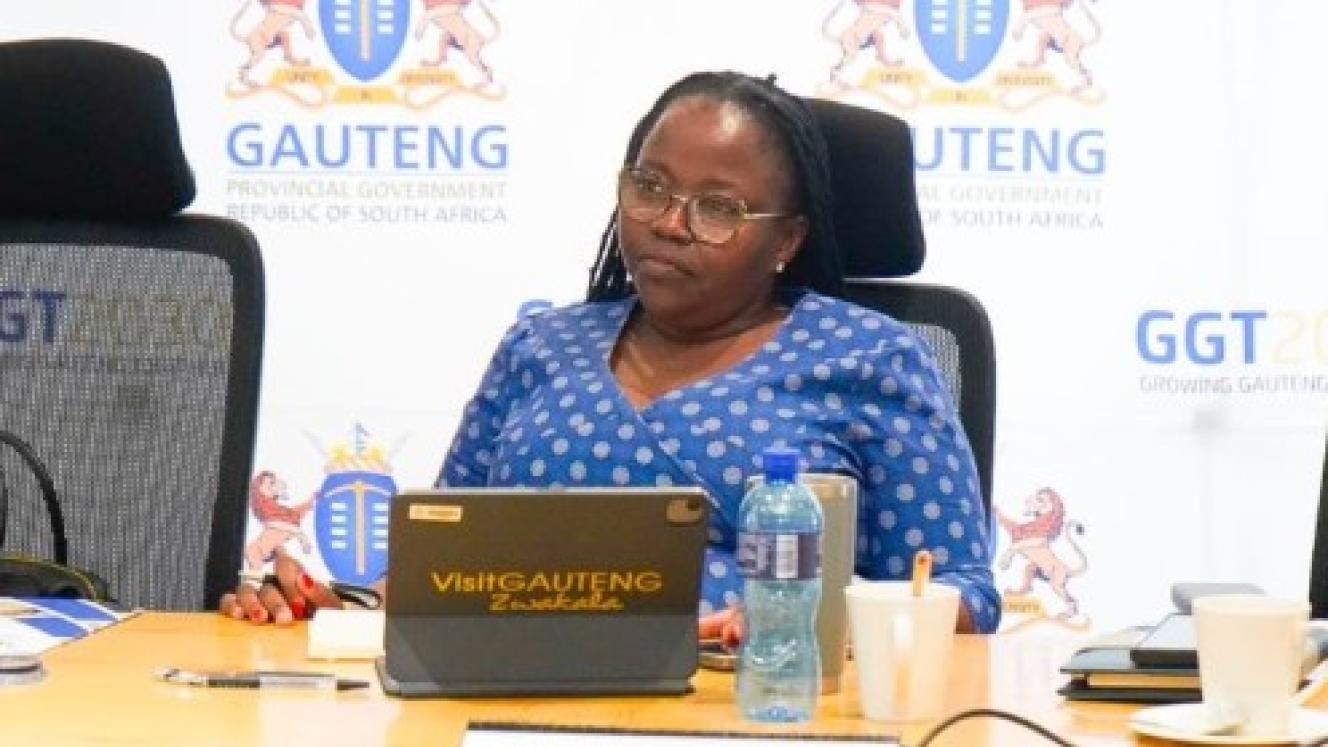
The Gauteng Department of Roads and Transport (GDRT) has convened its first internal strategic engagement on the Heidelberg Construction Office’s role in leading the province’s road construction projects.
The initiative marks a major shift in how the department plans, builds and maintains road infrastructure, deliberately positioning internal technical expertise at the centre of service delivery.
GDRT said the project on Road D781, located along the north–south corridor of Ekurhuleni, had been identified as the flagship implementation of this new internal construction model.
“The strategic objective of the project is to capacitate the department to independently construct and rehabilitate roads, while reducing reliance on external service providers,” the department said.
“By leveraging internal skills, plant and project management capability, the department aims to significantly fast‑track service delivery, contain costs and ensure greater control over quality, timelines and accountability,” it added.
Gauteng Roads and Transport MEC, Kedibone Diale-Tlabela, said external procurement would be limited to highly specialised services that complement internal capacity, enabling the department to deploy resources more strategically and efficiently.
Diale-Tlabela said the Heidelberg Construction Office had been earmarked as the lead implementing unit, reflecting its core mandate in road construction, maintenance and fleet management services.
"The office will serve as a proof‑of‑concept for internal road construction excellence, laying the foundation for a scalable model that can be replicated province‑wide," she said.
The inaugural engagement brought together key internal stakeholders, including representatives from the roads branch, finance, risk management, stakeholder relations and communications divisions.
Beyond physical construction, the project is designed as an innovation platform. The department will actively explore partnerships with institutions of higher learning to support a range of services, including: materials testing and quality assurance, skills transfer and technical training and work‑integrated learning opportunities for students and graduates.
Incorporating smart solutions will be a key feature of the project, positioning Road D781 as a modern, forward‑looking infrastructure intervention aligned with evolving mobility, technology and sustainability imperatives.
"This internally led road construction project represents a bold departure from conventional delivery models and signals the beginning of a new era in infrastructure development for the GDRT,” Diale-Tlabela said.
"By investing in its own people, systems and capabilities, the department is not only accelerating service delivery but also building long‑term institutional resilience, skills depth and operational sovereignty, ensuring better roads, delivered faster, by a capable and empowered public service.”