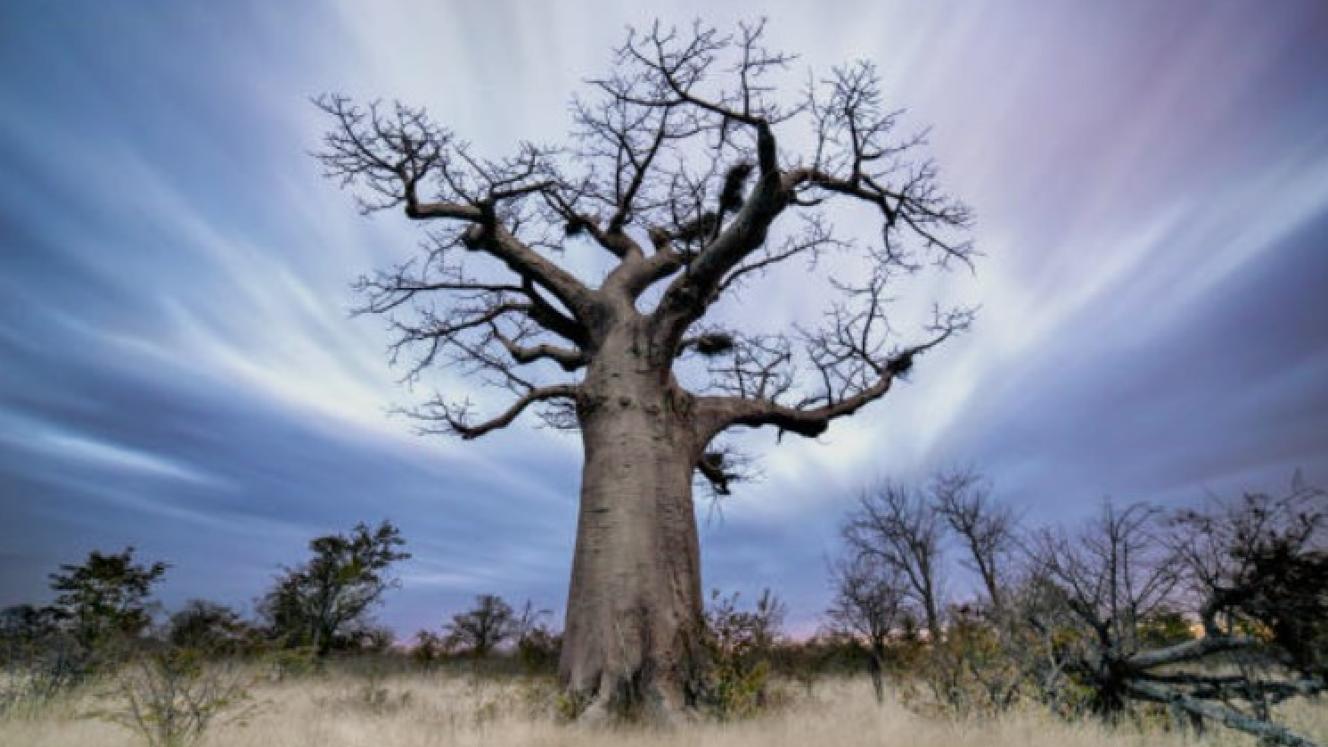
Namibia is pinning its hopes on creating a new export market to China through an initial 25-tonne shipment of an age-old natural remedy – oil extracted from the pips of baobabs.
This was announced by Namibia's Minister of International Relations and Trade, Selma Ashipala-Musavyi, during her budget presentation to Parliament in Windhoek on March 31.
The memorandum of understanding for the shipment was signed last year during the China International Import Expo in November, and marked three years of phytosanitary testing and regulatory framework compliance by Namibia.
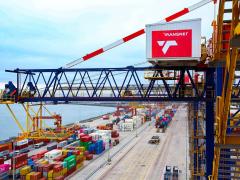
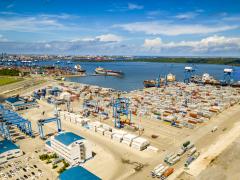
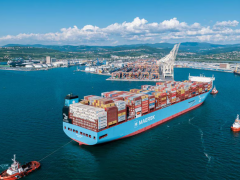
Although it is less than the 28 tonnes a TEU can take, Ashipala-Musavyi said the rare shipment boded well for re-starting baobab extract exports that previously included markets in Europe.
The company behind the exports is TuliLine, based in Namibia’s Khomas province.
The SMME, although only started in 2001, uses age-old methods to extract oil from the tree’s pips, says managing director Tulimeyo Kaapanda.
She explained that, though TuliLine was close to Namibia’s industrial heartland, pips were collected across Namibia’s northern areas in the Kavanga, Tsumeb, Oshana, Omusati, Ohangwena and Oshikoto regions.
The industrial process used to extract the oil also mimics the traditional practice of baobab oil production from these regions.
You have to follow the traditional way, Tulimeyo has said.
It is anticipated that once TuliLine’s baobab oil has found traction in China, Namibia might find itself in a pip supply problem, but Tulimeyo is confident that projected export growth to China could be managed in line harvest realities.
With oil exports in the proverbial bag, Namibia is apparently also setting its sights on baobab coffee and powder.