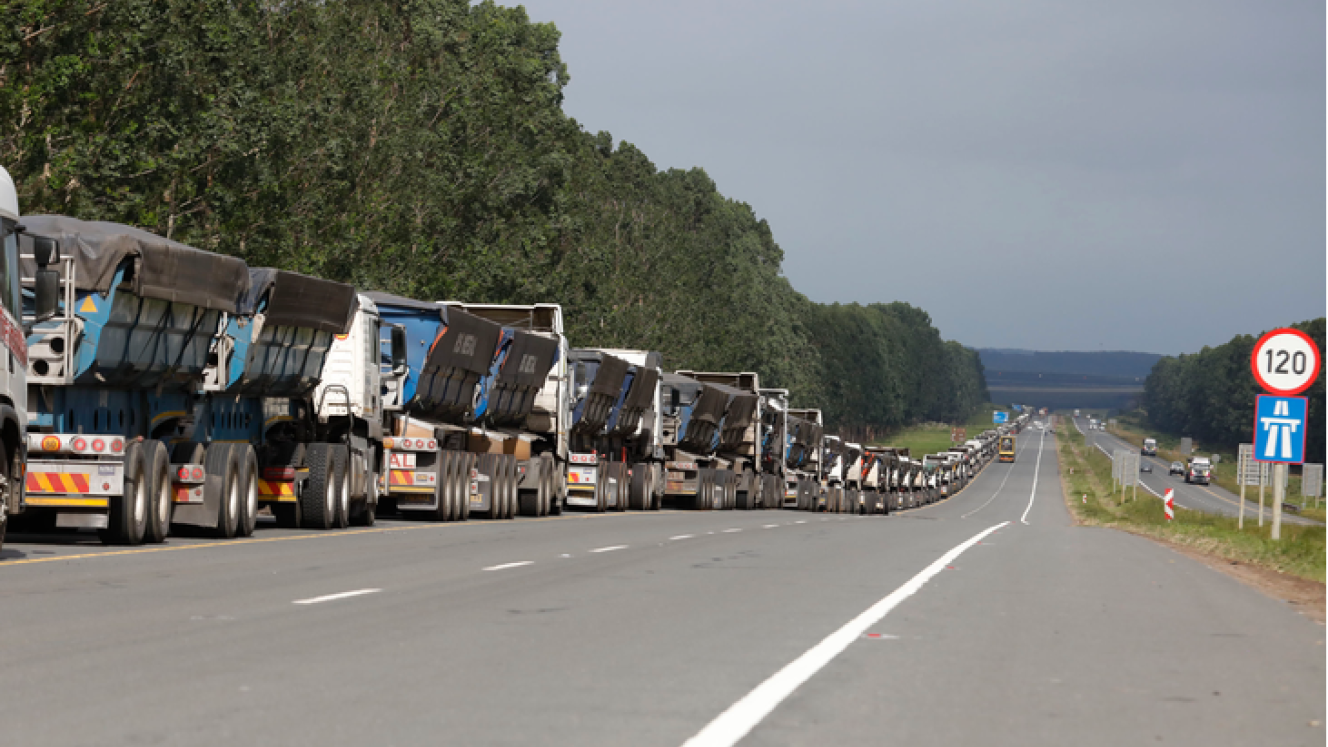
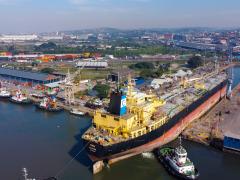
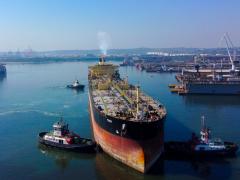
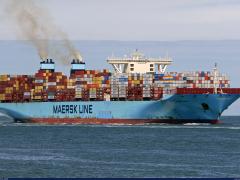
The Port of Cape Town may have received a relatively small share of the investment budget for the ports over the next seven years, but it remains a priority in the Transnet stable. According to Francois Meyer, executive manager: planning integration with Transnet, the allocation of the seven-year budget per port shows Durban receiving 36% of the total money at R28bn. “This is mainly allocated to container expansion in the port, and includes land acquisition for the new dig-out port. Ngqura and Richards Bay each get R18bn, largely for expansion in bulk capacity. Cape Town receives a relatively small share at R3.2bn.” Meyer said despite the allocation of money, seaward expansion plans of Cape Town Container Terminal to balance landside and waterside capacity were unlikely to go ahead – and nor were plans to increase landside container handling areas. “The port is South Africa’s oldest port and is not as competitive as some of the other ports in the country. While the Cape Corridor does fulfil the three major roles of a corridor – which are to connect domestic producers with consumers, connect the distant hinterland with international products, producers and markets, and to transport people it is not a competitive gateway corridor.” But, said Meyer, while the Cape Town port was not in the same league as its big brothers in Durban and Richards Bay, it did play a crucial role in the country’s port stable. “There is a lot of development that is happening to ensure the port can handle the new generation vessels – despite competing on a recreational, residential and commercial front for space,” said Meyer. “There is revamping happening at the port in an effort to reconfigure some of the areas and deepen the berths.” He said a study was also under way to determine the impact of a new breakwater and outer basin that could see capacity drastically increased. He said the port also played an important role as it was the gateway to the Cape Corridor. “For us it is about three criteria – how many tons you have, what type of commodity you want to move and how far it must go.” He said distances greater than 300km were very attractive for rail depending on the volume and commodity type. “There are many opportunities for rail on this corridor. At the moment we are doing hardly any of the rail-friendly cargo that is out there – so the potential is there, but we need to get the infrastructure in place and significantly increase our mobile market share to up our game.”
Cape Town port gears up for next-generation vessels
Comments | 0
© Now Media. This content is protected by copyright and may not be adapted or republished. If you would like to discuss cooperation opportunities, please contact: editor@freightnews.co.za.