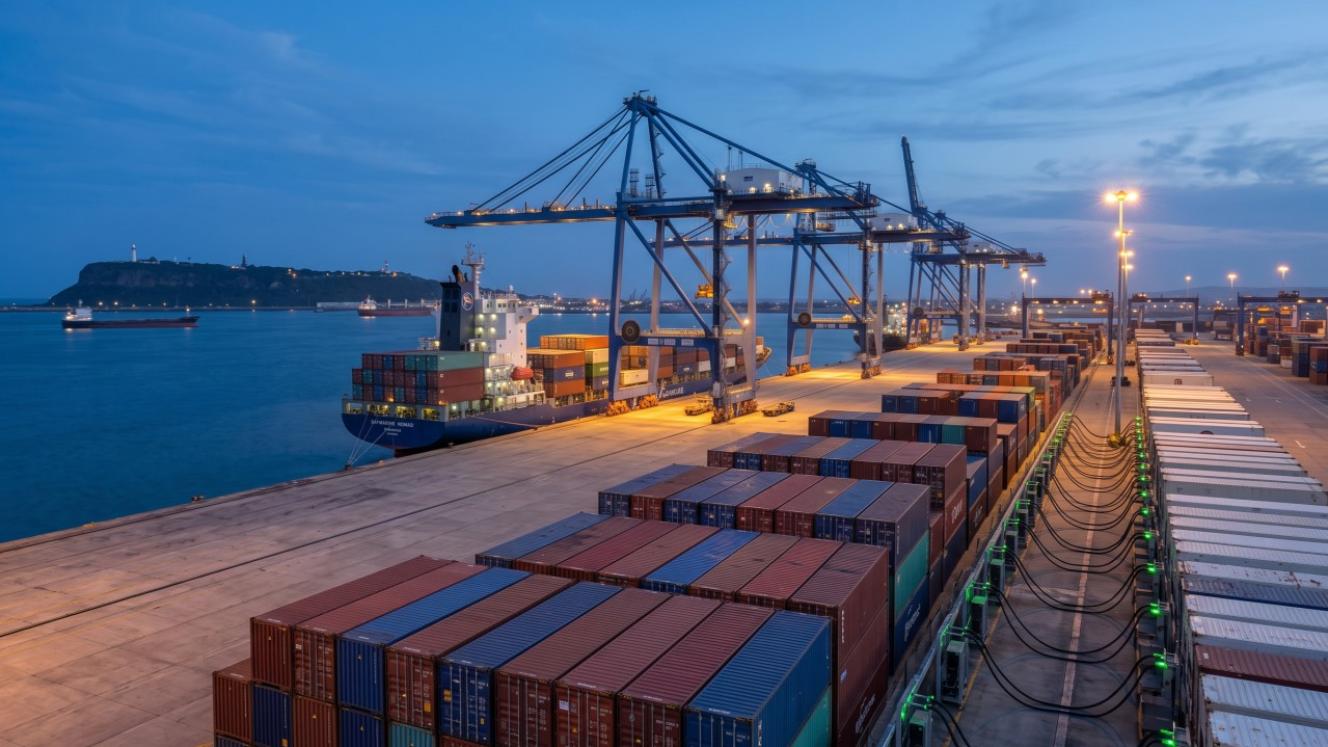
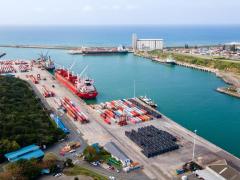
South Africa has yet to see a meaningful increase in maritime enforcement activity or economic benefit despite the rerouting of global vessel traffic around the Cape of Good Hope since late 2023. According to Pauline Kumlehn, a partner at Shepstone & Wylie’s Cape Town office, major shipping lines have diverted vessels away from the Red Sea and Suez Canal due to ongoing instability in the Middle East, further exacerbated by disruptions in the Strait of Hormuz since February this year. However, most vessels rounding the South African coast continue to transit without calling at local ports. “As a result, the increase in traffic has not translated into significantly higher port activity, maritime services demand or broader economic gains for South Africa,” she said. “Industry reports indicate that vessels requiring bunkering and related services are increasingly favouring ports such as Walvis Bay and Port Louis, citing more predictable turnaround times and fewer operational disruptions.” At the same time, the rise in vessel traffic along the coastline is increasing the risk of illicit trade in South African territorial waters. “Regulatory and monitoring functions by Customs, the International Trade Administration Commission (ITAC) and other officials should therefore be strengthened to address this,” said Kumlehn. “From a customs perspective, an increase in inspections may result, which in turn could lead to further delays at our ports.” She said port performance remained a major concern for traders in the Western Cape. “There are reports that bodies representing the deciduous fruit industry are considering taking formal legal action against Transnet arising from losses linked to the sustained underperformance at the Port of Cape Town.” However, Kumlehn noted that litigation was invariably a costly and time-consuming process, with disputes in the high courts often dragging on for years before reaching resolution. “These factors are not conducive to fostering trade and economic growth,” she said. Sarah Snethlage, a senior associate in the firm’s Cape Town office, said that while the sector faced significant challenges, there were also opportunities that could unlock economic growth and improve logistics operations in the Cape if properly utilised. “Obvious examples include accelerating public-private partnerships in the ports sector and the privatisation The Cape FN26M0215 Reliable & Flexible CPT +27 21 405 3400 | DUR +27 31 365 6800 JNB +27 11 340 0499 | RCB +27 35 797 9161 PLZ +27 41 581 3994 | WVB +264 64 201 2004 | MPT +258 21 35 6500 commercial@macship.com | www.macship.com QR Code www.macship.com Your service between Southern Africa, Europe, UK & US Gulf of freight rail,” she said. “Further digitisation and automation of customs systems could also significantly improve trade facilitation and cargo clearance. For example, by utilising AI to modernise border controls, officials can focus on high-risk activities, reducing unnecessary inspections and speeding up border processing.” Kumlehn and Snethlage said compliance in an ever-changing regulatory landscape remained challenging, but embracing AI and other technologies to streamline operations and monitor business-specific requirements was a good starting point. “When it comes to customs compliance, the ongoing education of a company’s public officer or of other designated employees tasked with compliance should never be underestimated,” they said. They added that technology and automation would become increasingly important as compliance requirements continue to evolve. LV
Cape fails to capitalise on diverted traffic
Comments | 0
© Now Media. This content is protected by copyright and may not be adapted or republished. If you would like to discuss cooperation opportunities, please contact: editor@freightnews.co.za.