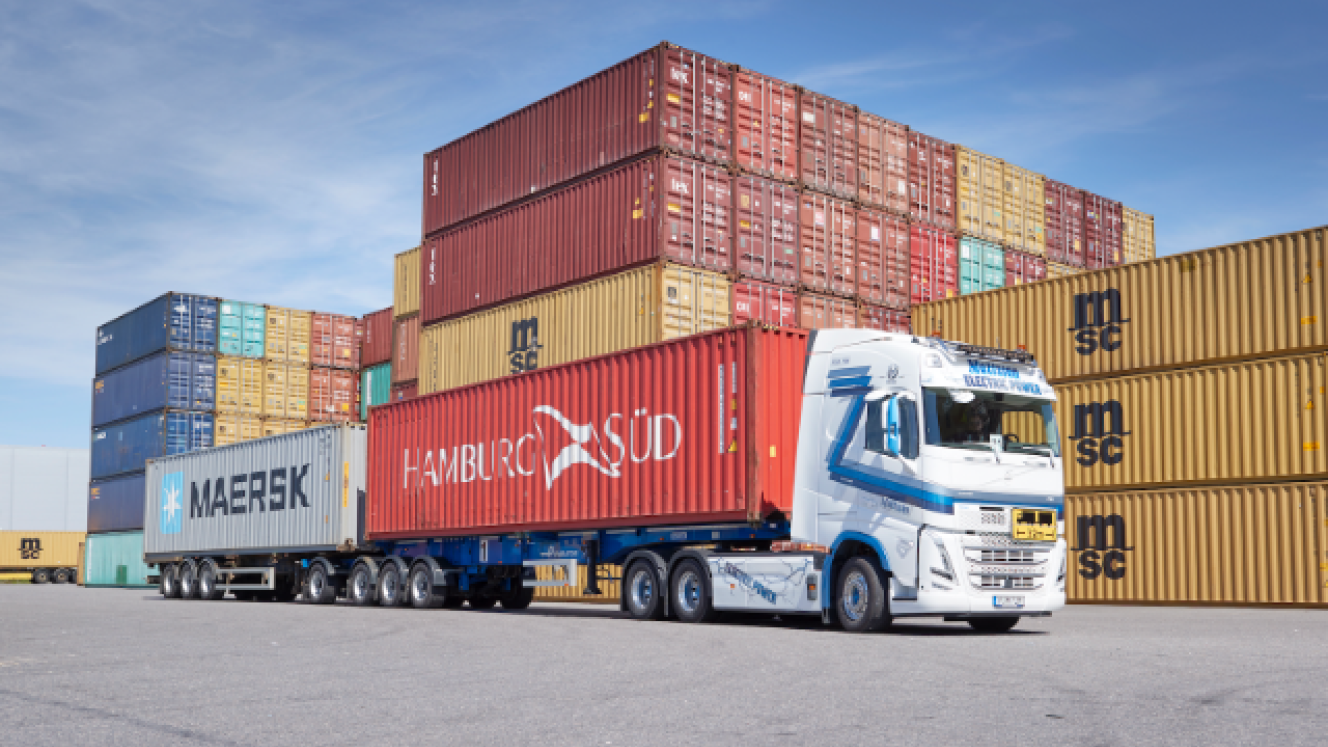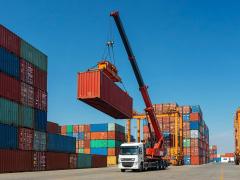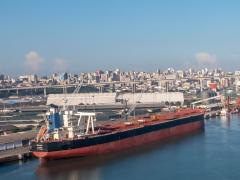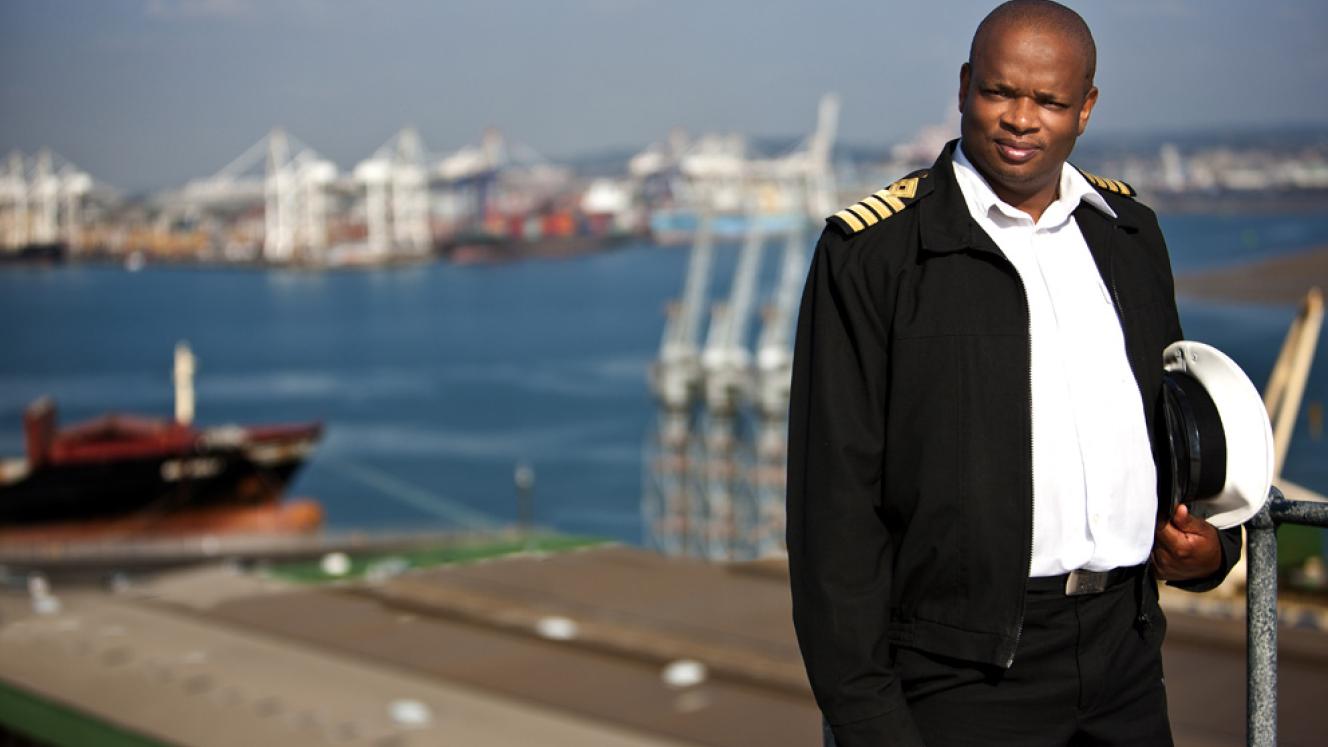
Durban Container Terminal has made progress in accommodating larger container vessels but still faces challenges in berth productivity, yard capacity, equipment availability and landside coordination, according to research by Transnet National Ports Authority (TNPA) chief harbour master, Captain Rufus Lekala.
Lekala, who graduated with a Master of Commerce in Maritime Studies degree from the University of KwaZulu-Natal, examined whether the port’s infrastructure, equipment and operational systems were adequately prepared to efficiently handle larger vessels in his dissertation: ‘Assessing the Impact of Increased Container Vessel Size for Durban Container Terminal’.
The study was conducted against the backdrop of the Port of Durban’s recent ranking among the lowest-performing ports in the international Container Port Performance Index, despite being the busiest container port in the Southern hemisphere.
It recommends targeted infrastructure upgrades, improved planning and scheduling systems, enhanced collaboration among port stakeholders and continued investment in skills development to ensure the terminal remains competitive and resilient.
Lekala currently serves as Acting Managing Executive at TNPA, where his responsibilities include ensuring safe navigation, port efficiency and regulatory compliance.
His worklife started as a taxi driver in Mamelodi, Pretoria. He later joined Transnet, serving as a Tug Master in the Port of Cape Town before becoming a Marine Pilot in the Port of Saldanha Bay. In 2012, he became the first Black Harbour Master in the Port of East London and later served in the same role in Cape Town and Durban before his appointment as Chief Harbour Master of TNPA.
“As a coastal country with major ports, our ability to manage maritime operations efficiently directly influences economic growth, job creation and global competitiveness. My professional journey has deepened my appreciation of how strategic maritime leadership can drive national development,” said Lekala.
He is confident his research will support evidence-based decision-making in ports, particularly as vessel sizes and operational demands continue to grow.
“I envision my research contributing to improved port planning, safer marine operations, and more efficient cargo flows across South African ports and the broader maritime sector.”