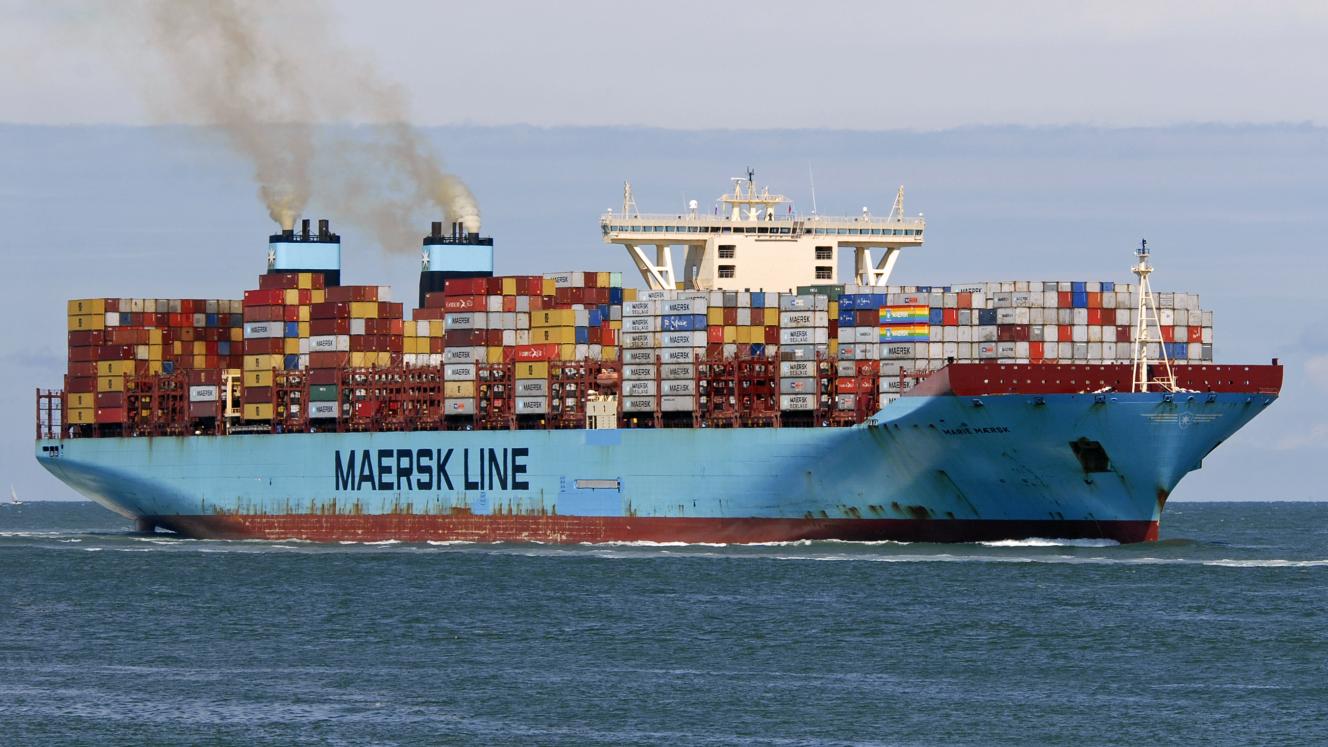
Increased freight rates are more or less a given as shipping lines increasingly opt for scrubbers to comply with the International Maritime Organisation’s (IMO) new 0.5% global sulphur cap on fuel content that takes effect in January 2020. Whilst there are a host of options available to lines, many are opting for scrubbers which strip sulphur as fuels are burned, allowing the vessel to continue using high-sulphur fuel oil. According to a bunkering expert who addressed the Cape’s Port Liaison Forum recently, there has been a significant increase in orders for scrubbers. “In March this year there were 950 on the order book. At present that figure is over 3000,” he said. “We did not think it was going to go this way, but there is a definite move towards scrubbers.” Earlier this year Finnish shipping technology company Wartsila Marine Solutions said it was taking in record orders for scrubbers as the 2020 deadline drew nearer. It is estimated that at least 60% of all newbuild ships in Korea, one of the world’s biggest ship- building hubs, are being fitted with scrubbers. But they do not come cheap, says PLF chairman Mike Walwyn. “We are going to see major increases in the freight rates as shipping lines have to pay for this technology to deal with the IMO requirement.” He said while it was too soon to say how much, there was already talk of increases of up to $200 in the rates. And scrubbers are also considered to be a quick-fix that doesn’t really get to the heart of the IMO’s motivation for the lower sulphur regulation. “There is a lot of uncertainty in the industry at present around all of this,” said Walwyn. There were a variety of reasons for this, including fuel companies retaining intellectual property and not sharing plans too far in advance of the 2020 deadline, he added. Thanks to South Africa’s strategic positioning it could be a bunkering hub, but the industry has been under pressure for several years as volumes and sales have continued to decline. According to the bunkering expert it was not clear whether South Africa would have sufficient low sulphur fuel to meet demand, although local refineries have said plans are in place. What these plans entail however remains confidential. The International Bunker Industry Association (IBIA) has called on countries around the world to report availability of 2020 compliant fuel. The global fuel sulphur cap is part of the IMO’s response to heightened environmental concerns
CAPTION
We will see major increases in the freight rates as shipping lines have to pay for scrubber technology to deal with the IMO requirement. – Mike Walwyn