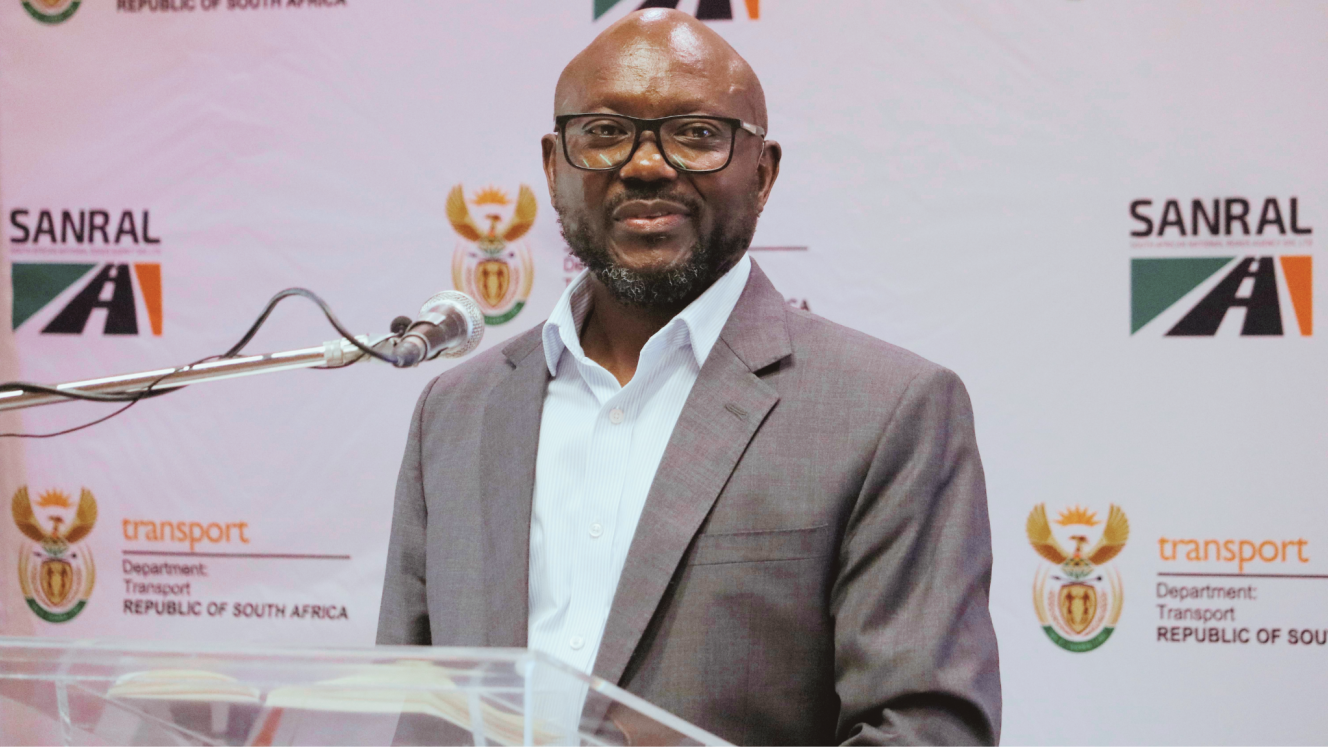
A fight is looming over Botswana’s newly found coal reserves, with its neighbours all wanting a piece of the pie notwithstanding the interest from abroad. Experts and commentators are watching carefully as the saga unfolds – with Namibia on the one side vying for the export of the coal along its Trans Kalahari Corridor through the Port of Walvis Bay and Mozambique on the other. Mozambican authorities believe that they are a more suitable option as the already established Matola Coal Terminal at the Port of Maputo is gaining in reputation, but they will also have a second option once a project to build a new heavy-haul railway line and a port at Ponto Techobanine gets off the ground and is completed. Zimbabwe is seemingly siding with Mozambique as it will mean they will get some of the action as the train from Francistown, around which most of the coal reserves are lying, would have to go through Zimbabwe to reach Mozambique. And then one must not forget South Africa that has also indicated it would not be unhappy should Botswana choose to use its ports instead. Charles Siwawa, CEO of the Botswana Chamber of Mines, told FTW no decision had yet been made on which route to use. “We are looking at all the routes at this stage,” he said, but at some point the government of Botswana will have to make a decision that could have an impact on the economic future of the region. Currently authorities know of four multibillionton coal deposits on the eastern edge of the Central Kalahari Karoo Basin at Morupule, Mmamabule, Sese and Mamantswe. Many believe a fight is inevitable over the discovery of what has been called the “richest green fields of coal reserves in the world.” Regardless of what route they ultimately choose, it will offend a neighbouring country. According to Siwawa, there are pros and cons to all the routes. “If we choose the Trans Kalahari it means moving tons of coal over 1500km, crossing the Kalahari and the Namib. The Ponto Techobanine route is shorter by about 400km and then there is the South African option which has a proven track record.” Siwawa told FTW they were not rushing into a decision as yet as they were well aware of the impact their decision could possibly have. “It is therefore very important to us to make the right decision, but at the same time we believe there is enough coal to support more than one railway line,” said Siwawa. “The break-even point to make these railways feasible is about 60 million tons and if we can get to our target of 100 million tons then it makes it very feasible to have more than one railway solution.” INSERT ‘We believe there is enough coal to support more than one railway line.’ CAPTION Charles Siwawa ... not rushing into a decision.
Battle looms over Botswana’s coal reserves
Comments | 0
© Now Media. This content is protected by copyright and may not be adapted or republished. If you would like to discuss cooperation opportunities, please contact: editor@freightnews.co.za.