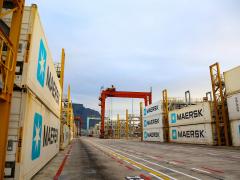
Using container or bulk vessels for the movement of machinery and large components comes with some risk, according to industry experts. Captain Marc Sommerfeld of the Battermann and Tillery group warned in a webinar that West African-bound project cargo out of the United States was subject to short shipping. “West Africa is a popular destination for large machinery and gargantuan mining tyres. Cargo destined for these ports is likely be rolled due to space limitations, nonetheless it is all in the route,” he says. Containers are given precedence over “larger, less convenient cargo” at the major transhipment hubs in Europe and elsewhere. In a recent blog, Rick Bridges, vice president, client development of insurers Roanoke Trade, says that the “ideal for most underwriters, risk engineers and seafarers is that breakbulk cargoes should only be carried on vessels that allow full access to the stowage location and have their own lifting gear, so that vessels are not dependent upon port infrastructure for load or discharge operations”. “In short, geared bulk carriers and multipurpose vessels deliver flexibility and, additionally, the ability to modify a stow plan late in the game should surprises pop up during loading.”
Avoiding shipping risks
Comments | 0
© Now Media. This content is protected by copyright and may not be adapted or republished. If you would like to discuss cooperation opportunities, please contact: editor@freightnews.co.za.