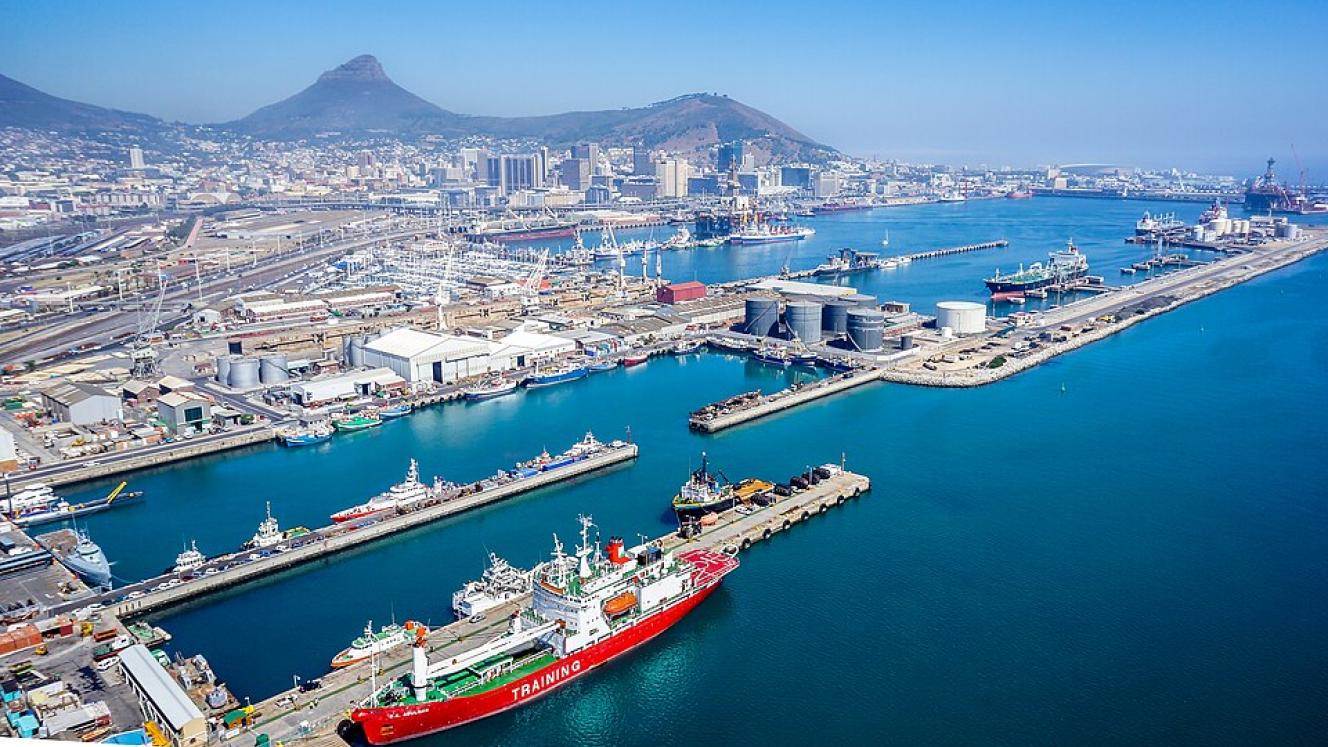
Transnet plans to introduce automated gates at the Port of Cape Town and is expanding digital booking systems as part of efforts to reduce truck congestion, improve cargo flows and speed up processing times at the container terminal.
Speaking at the recent Oceans Economy Conference in Cape Town, acting port manager Ophelia Shabane said the projects formed part of a broader digitalisation strategy aimed at modernising port operations and improving customer service.
“Transnet has adopted a digitalisation strategy and part of that is already being implemented through the Integrated Port Management System (IPMS). Instead of service requests being processed manually, clients are now able to book maritime services online from wherever they are, making it easier to access services when vessels call at our ports,” said Shabane.
The digital platform includes online bookings for maritime services, a truck booking system and bookings for ship repair facilities.
Another key project is the planned introduction of automated gates at the container terminal, which Transnet expects will speed up truck processing times and improve cargo movements through the port.
“Anyone who has visited the Port of Cape Town will know that one of the biggest congestion points is A-check, where trucks queue to access the container terminal. Automated gates will significantly reduce the time it takes to enter the port, allowing drivers to pick up and discharge cargo more quickly,” she said.
Digitalisation is also being incorporated into terminal operations and equipment procurement. According to Shabane, the rubber-tyred gantry cranes (RTGs) recently commissioned at the Cape Town Container Terminal can be operated digitally when required.
She said information and communication technology and artificial intelligence would play an increasingly important role in improving efficiency and helping Transnet achieve its strategic objectives, adding that these technologies should be viewed as productivity tools rather than threats to employment.
Using the remotely operable RTGs as an example, Shabane said operators would still be required even when equipment was digitally enabled. “Those machines can be operated manually or digitally, but they still require operators. The fact that they are operated digitally does not mean one person will operate all of them. Each RTG still requires its own operator. The benefit is that in certain conditions, such as strong winds, employees can continue operating equipment safely from a control environment while productivity is maintained.”
Shabane added that Transnet was drawing on international best practice through partnerships with global ports, including the Port of Antwerp, as it sought to improve operational efficiency and accelerate digitalisation.