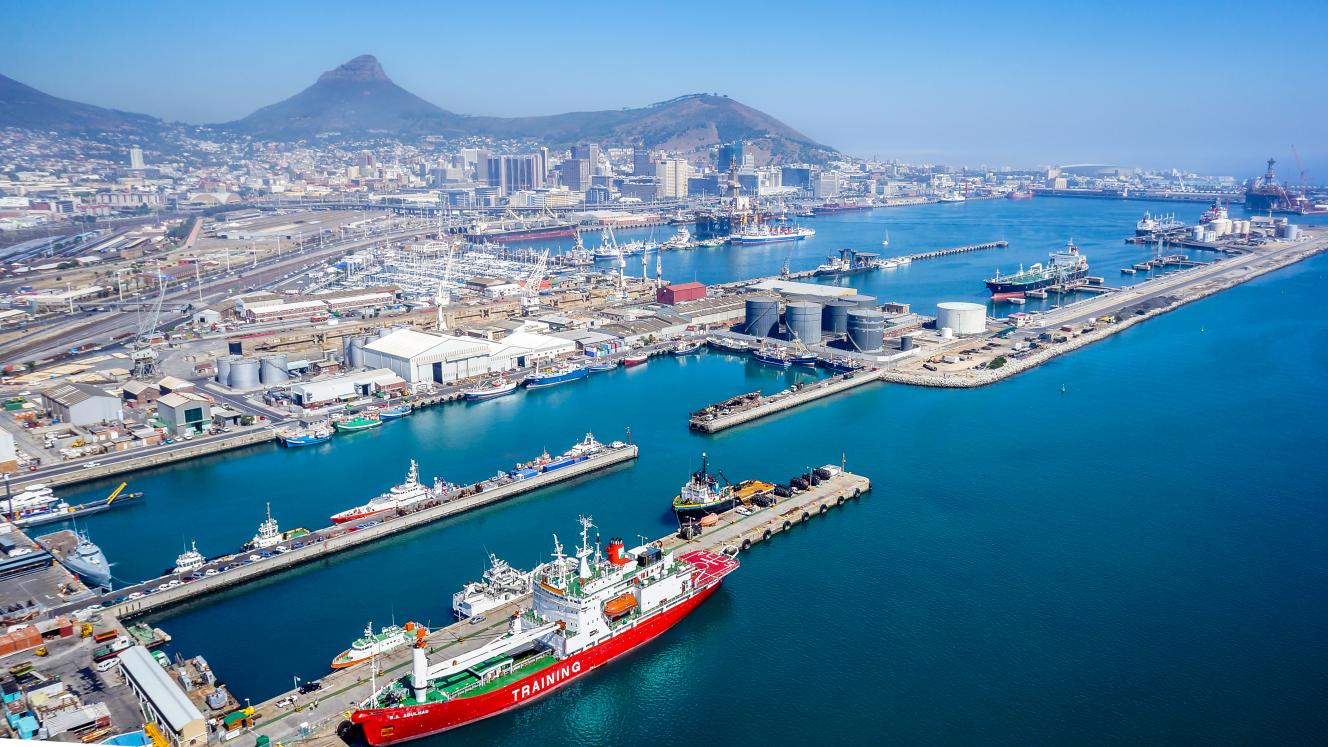
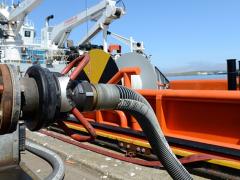
The auto industry has started stockpiling imported components as the motor industry strike takes its toll. And the result is a shortterm demand for warehousing, according to industry sources. Original equipment manufacturers (OEMs) are having to destuff containers in order to avoid demurrage costs while their manufacturing lines are stalled. It will be a short-term boost for warehousing as they will empty quickly once production restarts. Planning for the expected strike started earlier this year, and it can be assumed that the OEMs will have made contingency plans and that components not yet on the water will be rerouted to other plants around the world as they fill in the lost production in South Africa. The globalisation of the motor industry means that plants are strategically mirrored in order to manage the risk of disruption due to industrial action and natural disasters. South Africa’s logistics industry will feel the impact by having fewer containers to clear and to move. This is likely to extend beyond the OEM strike, as it is expected to be followed by a strike in the components sector – which also has the potential of crippling production. Shipping companies and Transnet will feel the impact through fewer containers being imported and exported. Motor manufacturing accounts for a large percentage of container movements in ports like Port Elizabeth, Ngqura and Durban. While exports of fully built up units will be affected, companies involved in the importation of cars are not expected to feel the impact as severely. The majority of cars sold in South Africa are imported as fully built up units. Which means that car buyers are not likely to feel the impact of the strike for some time. CAPTION Exports of fully built up units will be affected.
Auto industry forced to stockpile
Comments | 0