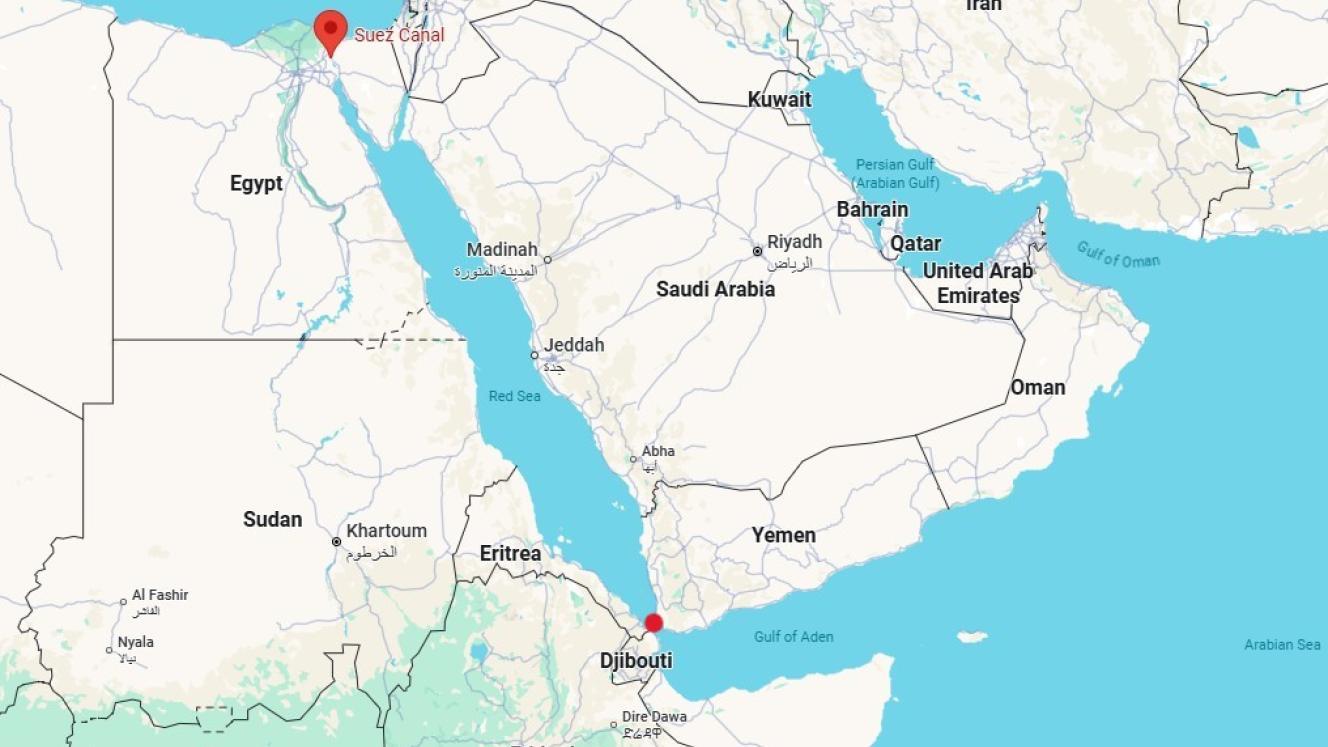
A return to relatively normalised container traffic through the Suez Canal could release up to 2.1 million TEU (twenty-foot equivalent units) of shipping capacity and trigger a short-term cargo surge at European ports, according to new analysis by Sea-Intelligence.
The analysis, published in issue 737 of Sea-Intelligence’s Sunday Spotlight newsletter, assesses the global operational impact should carriers resume Suez sailings following the ceasefire between Israel and Hamas.
Sea-Intelligence stresses that the scenario remains hypothetical as the Houthis have not yet declared a ceasefire. The findings illustrate the scale of operational changes that would follow a return to the Suez route.
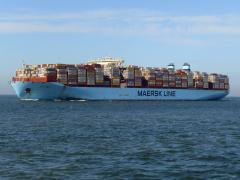
According to the analysis, roughly 2.1 million TEU of nominal capacity – around 6.5% of the global container fleet – is currently absorbed by the longer voyages around the Cape of Good Hope. Services between Asia and Europe and Asia and US East Coast each require approximately four additional vessels per rotation under the diversion.
A return to the Suez Canal would immediately release that capacity, shortening voyage times and freeing ships for redeployment, the report says.
Sea-Intelligence’s modelling indicates that, if carriers were to switch back to the Suez route immediately, the sudden arrival of delayed cargo could double shipments from Asia for two weeks, resulting in a 39% increase in European terminal volumes compared with the previous record high in March 2025.
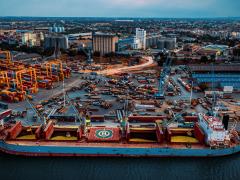
Even a more gradual return over eight weeks would still lead to a 10% rise above historic peaks, the report says. Given that the earlier surge already caused significant congestion at major ports, Sea-Intelligence warns that an unmanaged resumption of Suez transits could once again overwhelm port terminals, storage facilities, and hinterland networks.
Globally, reintroducing Suez transits would stabilise vessel supply but could also trigger short-term volatility in freight rates as capacity returns faster than demand adjusts. Sea-Intelligence notes that the transition period would likely involve schedule disruptions, line realignments and repositioning of empty containers.
The analysis is not a prediction of timing but a quantitative scenario designed to highlight operational risks, says Alan Murphy, CEO of Sea-Intelligence. A phased and coordinated return would reduce pressure on European infrastructure but could not eliminate congestion risks entirely, he says.