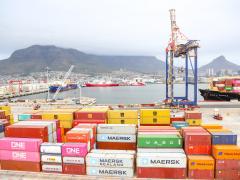
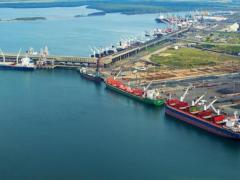
IN THE shipping industry, capacity constraints, reams of administrative red tape and uncertainty on the commercial impact, are sounding warning bells ahead of new regulations geared at tightening access controls into the country’s ports, according to Anisa Govender, associate partner of Durbanbased attorneys, Shepstone and Wylie. “The sheer magnitude of the regulation and permitgranting processes raise questions on whether the authorities are adequately equipped to handle the administration,” she told FTW. This follows the port rules for the the National Ports Act – which came into effect last year – having been drafted, and issued for public comment until November 19. These rules, said Govender, comply with the international ship and port security (ISPS) code – a comprehensive set of security measures. “The opening salvo,” she added, “required world ports to tighten their seaside activities; enclose their ports to prevent free traffic movements and demand detailed crew information from the ships calling in the harbour. The second stage requires the Transnet National Ports Authority (TNPA) to validate access permits for everyone seeking entrance into the port and enables the authority to impose conditions for granting these permits.” This in an industry which has never been wholly regulated and registered in the past. “The number of permits required for consideration and processing runs into thousands across every aspect of the shipping trade,” said Govender, “ranging from divers, ships’ agents, chandlers and clearing and forwarding agents, to stevedoring and the associated businesses whose representatives access the port either daily or periodically. “Service providers – like road and rail companies, vessel searchers, baggage handling companies and tour bus operations – may apply for longer-term access permits, while other industry players will require ad hoc access permits.” Given that every employee within these businesses needs to submit detailed personal information, Govender believed the TNPA should be dedicating whole departments to the administration. “Yet,” she said, “limited information on how the authority will be preventing bottlenecks and backlogs has been forthcoming with even the draft legislation shedding little light on the issue.” From a business perspective, Govender suggested that the “onerous administration” is likely to strain human resource departments. “This also raises flags in terms of adding another level of cost to doing business in SA.”
Alarms raised over impact of new port access rules
Comments | 0
© Now Media. This content is protected by copyright and may not be adapted or republished. If you would like to discuss cooperation opportunities, please contact: editor@freightnews.co.za.