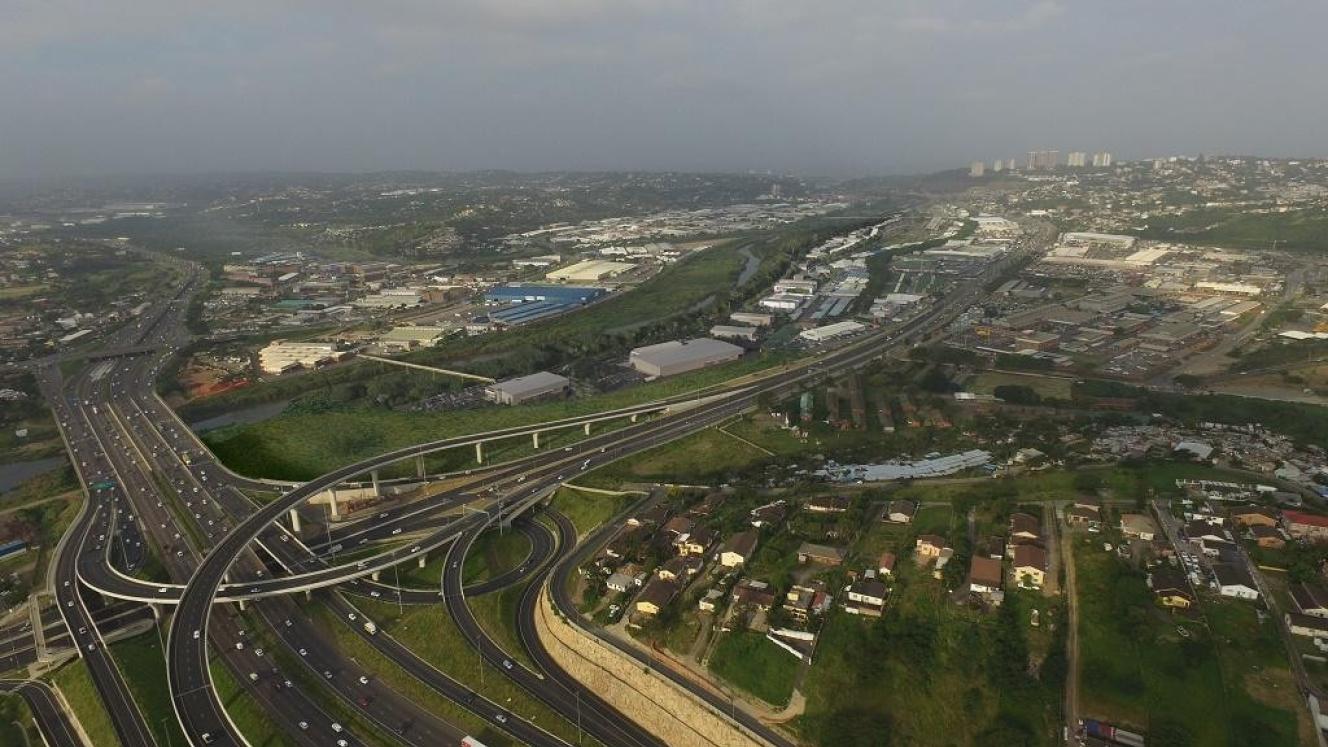
South African and international airlines are up in arms about the proposed massive increases in tariffs from the Airports Company of SA (Acsa) and air traffic controlling company ATNS – with the carriers complaining that these could send the cost of air transport soaring at a time when the industry is struggling. They have appealed to government to place some measure of restriction on these huge price hikes. Acsa is looking for a 132.9% tariff increase in the first year and smaller increases in succeeding years, while ATNS is looking for an initial 33% hike. These high figures, it is reported, stem from the Acsa investment of R15-billion in further developing the country’s nine state-controlled airports – with a whopping R7-bn of this aimed at the new airport at La Mercy north of Durban, which was being constructed without consulting the airlines, they said. Acsa’s intention is apparently to pass most of the costs on to airport users, particularly the airlines. And that’s not pleasing the aviation brigade, according to Chris Zweigenthal, the CE of the Airlines Association of Southern Africa (AASA). He said at the AASA’s recent annual conference that it was common knowledge that the proposed increases were “unacceptable to the airlines both within and outside South Africa. “Such increases place Acsa and ATNS in an almost ideal financial position very quickly, contrary to the positions of airline stakeholders. We believe the shareholder (the government) has a responsible role to play, especially in the case of Acsa, where significant dividends have over the past years been paid to the shareholder.” He also pointed out to FTW that the Association of European Airlines had called for a freeze on tariff increases while negative growth hindered the industry. With these massive tariff increases lurking in the wings, where will air cargo fit into the overall scheme of things? Asked if he saw the cargo industry facing extra costs, Alwyn Rautenbach, MD of Airlink Cargo and chairman of the Air Cargo Operators’ Committee (Acoc), said: “Oh yes, it will push up prices.” Not that he expected them to hit the same high percentage marks as the proposed tariff demands suggest, but added costs would definitely filter through. “The aircraft have to pay navigation and approach fees to the ATNS, and landing and parking fees to Acsa,” Rautenbach added. “If they increase by that amount, we will definitely have a significant increase in the cost of all air cargo.” Zweigenthal agreed with the “filter through” statement by Rautenbach, but offered at least some relief to cargo interests. “The tariffs are not cargorelated,” he told FTW, “so should have no direct impact for airfreight operators.” The airlines are also still busy looking at the cost implications, and deciding whether they as individual carriers will pass them fully or partially on to airline users, or absorb them. Anyway, he added, the proposal still has to be decided on by the regulator who governs what Acsa and the ATNS can or cannot do. And Zweigenthal said: “We have a lot of respect for the regulator’s impartiality and his direct approach to things.” So beware, cargo costs could get pushed up if the airports and air traffic control bodies get their way – but possibly not as much as many people in the airfreight industry fear.
Airlines slam proposed Acsa increase
Comments | 0
© Now Media. This content is protected by copyright and may not be adapted or republished. If you would like to discuss cooperation opportunities, please contact: editor@freightnews.co.za.